
Planting
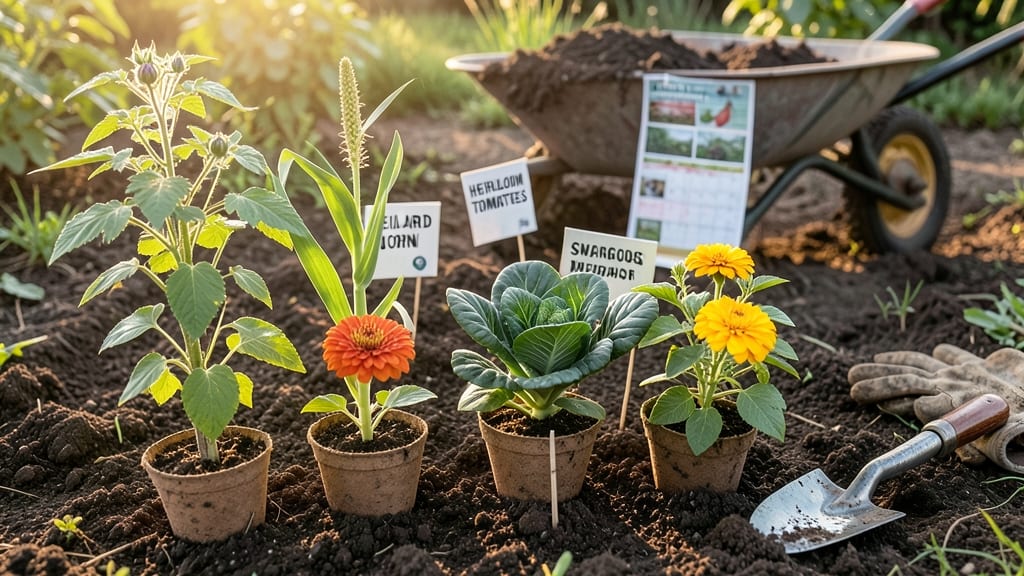
To plant a garden in Tennessee, aim for late March through April for spring crops and August to mid-September for fall planting—timing that aligns with Zone 7a’s frost-free window and ensures fast, healthy growth.
Tennessee’s mild winters and long growing season make it a gardener’s paradise—but planting too early or late can mean wasted effort and stunted crops. Mastering the perfect timing for Zone 7a ensures your garden thrives from seed to harvest, whether you’re growing tomatoes, greens, or flowers.
If you’ve ever watched seedlings wilt under a late frost or bolt in summer heat, you know how critical timing is. The key? Planting after soil reaches 60°F and all frost risk has passed—typically by mid-March in most regions, but earlier in warmer microclimates like Nashville.
In this guide, I’ll break down the exact dates for cool-season and warm-season crops, how to adjust for Tennessee’s regional variations, and the top 5 fastest-growing varieties to maximize your harvest before the first frost.
Tennessee Zone 7a planting calendar: exact dates for vegetables, flowers, and herbs
Tennessee’s Zone 7a climate offers a 220-day growing season, but timing is everything. Plant too early, and frost zaps your seedlings; too late, and summer heat stunts growth. My month-by-month breakdown aligns with Nashville’s last frost (March 15) and Chattanooga’s first frost (October 31), with adjustments for microclimates.
Whether you’re sowing cool-season greens in spring or warm-season tomatoes in summer, these dates maximize your harvest.
Start with cool-season crops like spinach and broccoli in early spring (March), then transition to warm-season favorites (tomatoes, peppers) after May 1. Fall planting begins in mid-August with fast-maturing varieties. Perennials like lavender and coneflowers thrive when planted in early spring or fall, avoiding summer stress.
Use this calendar to avoid common mistakes like planting peppers too early (they need 70°F soil) or lettuce too late (bolting risk).
🌱 Key Adjustments for Tennessee:
- East TN (higher elevation): Shift spring planting 2 weeks later (e.g., wait until April 1 for tomatoes).
- West TN (warmer): Start warm-season crops 1 week earlier (e.g., April 15 for cucumbers).
- Urban areas:** Use row covers to extend spring/fall seasons by 3-4 weeks.
| Season | Plant Type | Best Planting Window | Key Varieties | Soil Temp Requirement | Sunlight Needs |
|---|---|---|---|---|---|
| Spring | Cool-Season Veggies | March 15 – April 30 | Spinach, Broccoli, Kale, Peas, Lettuce | 40–60°F | Full Sun to Partial Shade |
| Warm-Season Starts (Indoor) | February 15 – March 15 | Tomatoes, Peppers, Eggplants | 65–75°F (seedlings) | Full Sun | |
| Warm-Season Direct Sow | May 1 – June 1 | Cucumbers, Beans, Corn, Squash | 60–70°F (soil) | Full Sun | |
| Summer | Heat-Tolerant Veggies | June 15 – July 15 | Okra, Southern Peas, Sweet Potatoes | 70–85°F | Full Sun |
| Succession Planting | Every 2 Weeks (May–Aug) | Lettuce, Radishes, Bush Beans | 55–70°F | Full Sun to Partial Shade | |
| Flowers & Herbs | April 15 – June 30 | Marigolds, Basil, Zinnias, Sunflowers | 60–75°F | Full Sun | |
| Fall | Cool-Season Veggies | August 1 – September 15 | Kale, Carrots, Beets, Radishes | 50–65°F | Full Sun to Partial Shade |
| Perennials & Bulbs | September 1 – October 15 | Lavender, Coneflowers, Tulip Bulbs | 55–65°F | Full Sun | |
| Winter Greens (Hardy) | October 1 – November 1 | Spinach, Arugula, Swiss Chard | 40–55°F | Full Sun to Partial Shade |
For warm-season crops, wait until soil temperatures hit 60°F+—use a soil thermometer to avoid stunted growth. Tomatoes and peppers need 70°F+ soil, so don’t rush them into cold ground.
I’ve planted tomatoes on April 15 in Nashville only to see them wilt from nighttime 40°F temps. Instead, start seeds indoor by February 15 and transplant after May 1.
Fall planting is your second chance for cool-season crops. Seed spinach and kale by August 15 to harvest before first frost (October 31). Use row covers to extend harvests into November for hardy greens like Swiss chard.
Perennials planted in early fall (September) establish roots before winter, giving them a head start in spring.
Herbs like basil and cilantro
How to adjust planting times for Tennessee’s microclimates and soil conditions
Tennessee’s diverse geography means your planting schedule in Nashville (Zone 7a) won’t match Chattanooga’s (Zone 7b). Higher elevations and urban heat islands create microclimates that can shift frost dates by weeks. For example, Chattanooga’s cooler nights may delay warm-season crops by 10-14 days compared to Nashville’s urban areas.
Soil drainage is another critical factor. Clay-heavy soils in West Tennessee hold moisture longer, allowing earlier spring planting for moisture-loving crops like lettuce or spinach. Meanwhile, sandy soils in East Tennessee dry out faster, requiring faster-maturing varieties like radishes or bush beans to avoid summer stress.
⚠️ WARNING: Common Mistakes to Avoid in Tennessee Gardens
Ignoring soil warmth – Use a soil thermometer ($10 at garden centers) to confirm readiness. Cool soils delay germination by 2-3 weeks for warm-season crops.
Overlooking urban heat islands5-10°F warmer than rural zones, allowing earlier planting of heat-tolerant varieties like okra or sweet potatoes.
Extend your growing season with row covers or cold frames. In cooler microclimates, these tools can push spring planting back by 3-4 weeks while protecting tender crops like broccoli or cabbage from late frosts.
For example, I’ve successfully grown spinach in Chattanooga through March using a simple floating row cover.
Adjust for plant heat tolerance. Southern Tennessee’s summer heat (90°F+) stresses crops like peppers or eggplants. Plant these in late May after the worst heat waves pass. Shade cloth (30-50%) can extend the season by 2-3 weeks for heat-sensitive varieties.
Test your soil’s drainage before planting. Poor drainage in low-lying areas can drown roots, while fast-draining soils may need organic matter (compost or peat moss) to retain moisture. A simple percolation test (poking holes in a container filled with water) reveals drainage rates in minutes.
Native plants like passionflower or black-eyed Susans thrive in Tennessee’s varied conditions with minimal adjustments. These perennials tolerate both clay soils and sandy loams, making them ideal for beginners. For annuals, always check seed packets for "days to maturity" and adjust planting dates accordingly.