
Planting
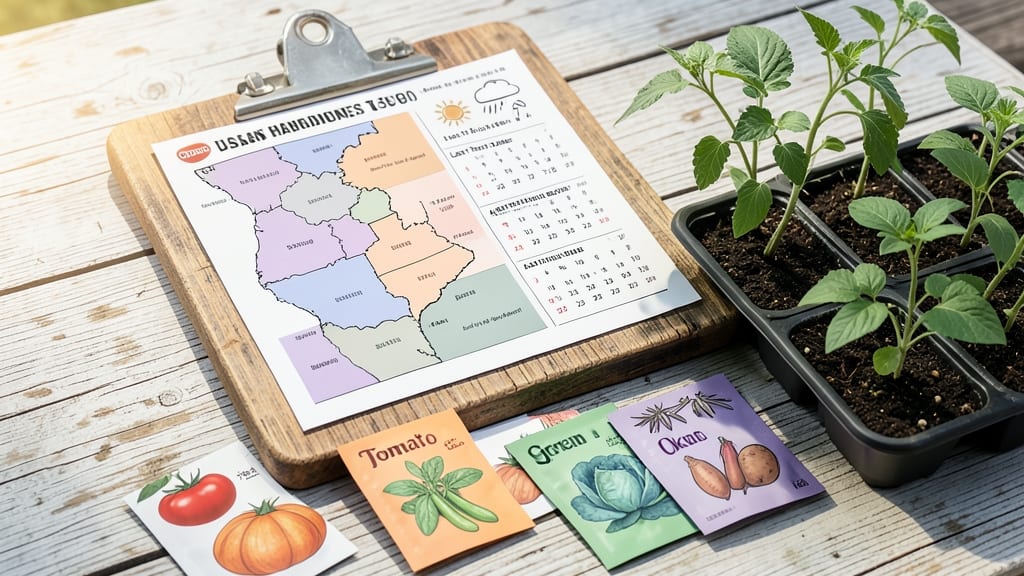
Planting a vegetable garden in Oklahoma at the right time means catching that sweet spot between frost and scorching heat—because timing here is everything.
Oklahoma’s unpredictable spring weather can make or break your vegetable garden—plant too early, and frost will strike; too late, and summer’s heat arrives before your harvest. Timing is everything, and understanding the state’s unique microclimates is your secret weapon for a bountiful garden.
Most gardeners in USDA Zones 6-8 start cool-season crops like peas and spinach as soon as the soil warms to 50°F in early March, while heat-lovers like tomatoes and peppers wait until after the last frost in May.
Below, I break down the exact planting windows for Oklahoma’s regions, soil prep tips to speed up germination, and how to stretch your growing season with simple tricks that work even in Oklahoma’s fickle climate.
Oklahoma’s planting zones: when to start seeds vs. transplants by region
Oklahoma spans USDA Zones 6-8, creating distinct planting windows across the state. Northern cities like Oklahoma City (Zone 7a) face earlier frosts than southern Tulsa (Zone 7b) or Lawton (Zone 8a). Understanding these zones helps you avoid frost damage while maximizing your harvest potential.
For cool-season crops like lettuce and peas, timing is critical—wait until soil temperatures reach 50°F and after your area’s last frost date. Meanwhile, heat-loving vegetables such as tomatoes and peppers thrive when soil warms to 60°F or higher, typically in late April or May.
Here’s a quick reference for seed-starting vs. transplanting by region, including last-frost averages and ideal planting windows:
| Region | USDA Zone | Last Frost Date | Indoor Seed Start | Outdoor Seed Planting | Transplant Window |
|---|---|---|---|---|---|
| Northern OK (Oklahoma City) | Zone 7a | April 1-15 | Feb 15-Mar 1 | April 15-May 1 | April 20-May 10 |
| Central OK (Tulsa) | Zone 7b | March 25-April 5 | Feb 20-Mar 15 | March 20-April 15 | April 1-May 5 |
| Southern OK (Lawton) | Zone 8a | March 15-25 | Feb 1-Mar 10 | March 1-April 1 | March 15-April 15 |
In Northern Oklahoma, where last frosts linger until mid-April, start cool-season seeds indoors as early as mid-February. Transplants like broccoli and cabbage should wait until after April 20 to avoid frost damage. Meanwhile, heat-loving transplants like peppers and eggplants can go in the ground by early May.
For Central Oklahoma (Tulsa)**, you’ve got a slightly longer window—start seeds indoors by late February and transplant by early April. This region’s milder winters allow for earlier spring greens like spinach and kale, but don’t rush; soil must be at least 50°F for germination.
Southern Oklahoma’s Zone 8a climate offers the longest growing season. You can start seeds indoors as early as late January and transplant by mid-March. This is prime territory for extended harvests of tomatoes, peppers, and sweet potatoes, which thrive in the region’s warmer soil.
Pro tip: Use row covers or cold frames to extend your planting window in cooler zones. These tools can push your last frost date back by 2-3 weeks, giving you more time for early spring crops like peas and lettuce.
Always check soil temperatures before planting—cool-season crops need 50-60°F, while warm-season crops thrive at 60-85°F. A simple soil thermometer (around $10) is a game-changer for Oklahoma gardeners.
Remember, Oklahoma’s unpredictable weather means flexibility is key. Keep a planting journal to track your local microclimate and adjust future seasons accordingly. With the right timing, you’ll be harvesting homegrown veggies all summer long! 🌱
Heat-tolerant vs. cool-season vegetables: Oklahoma’s best planting schedule
Oklahoma’s two distinct planting seasons—cool-season and heat-tolerant—determine which vegetables thrive when. Cool-season crops like spinach and broccoli love temperatures between 45°F and 75°F, while heat-lovers such as okra and sweet potatoes flourish in 80°F+ soil. Getting the timing right means avoiding frost damage or bolting before harvest.
The key is monitoring soil temperatures, not just air temps. For example, peas and lettuce should go in when soil hits 40°F, while tomatoes and peppers need 60°F+.
Oklahoma’s last frost dates vary—Northern regions (like Enid) average April 15, while Southern areas (like Lawton) can plant by March 15.
| Vegetable Type | Best Planting Window | Soil Temp Trigger | Moon Phase Tip | Harvest Timeframe |
|---|---|---|---|---|
| Cool-Season (Broccoli, Spinach, Peas) | Feb 15–March 31 (Northern OK) / Jan 15–March 15 (Southern OK) | 40°F–50°F | Plant during waxing moon for faster growth | 60–90 days |
| Heat-Tolerant (Okra, Sweet Potatoes, Black-Eyed Peas) | May 1–June 15 | 60°F+ (70°F+ ideal) | Sow during full moon for drought resistance | 90–120 days |
| Transitional (Tomatoes, Peppers, Eggplant) | April 15–May 1 (transplants) | 55°F+ (direct sow 60°F+) | Avoid waning moon—prone to bolting | 70–100 days |
For cool-season vegetables, start seeds indoors 6–8 weeks before your last frost date. For example, if your frost date is April 15, begin sowing spinach or kale by February 15. Use row covers to extend the season into early spring, protecting tender greens from late frosts.
Heat-lovers like sweet potatoes and okra need warm soil to germinate. Wait until May 1 or later, when soil temps consistently stay above 60°F. These crops also benefit from mulching to retain moisture during Oklahoma’s 90°F+ summers.
Plant after the last frost and avoid transplanting when soil is still cool.
Pro tip: Use moon phases to your advantage. Plant leafy greens during the waxing moon (growth phase) for faster harvests, while root crops like carrots thrive under the waning moon. Oklahoma’s variable humidity means adjusting watering—cool-season crops need consistent moisture, while heat-tolerant plants prefer deep, infrequent watering.
Don’t forget succession planting! For example, sow bush beans every 2 weeks from May through July to ensure a steady harvest. By aligning your planting schedule with soil temps and moon cycles, you’ll maximize yields and avoid common pitfalls like bolting or poor germination.