
Planting
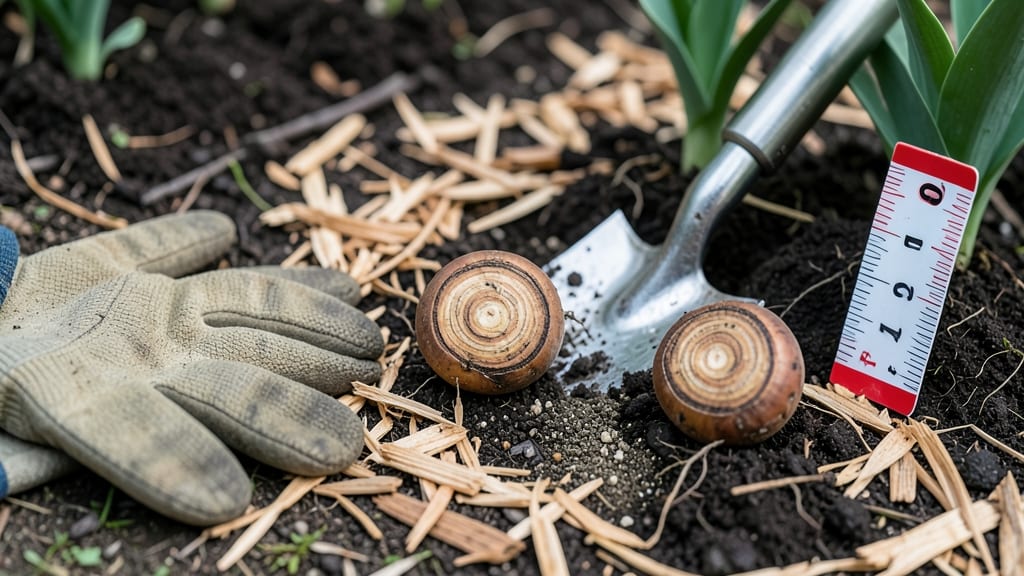
Planting bulbs in your garden at the right time ensures vibrant blooms next season, and timing them wrong can mean wasted effort—not to mention missed spring color.
Timing your bulb planting wrong can mean the difference between a showstopping spring display and a missed opportunity—so knowing your USDA Zone frost dates is non-negotiable.
In Zone 6a, like many gardeners, the window is tight: fall planting must happen between September and November to beat the ground freeze, while spring varieties get their start in March or April.
Why does this matter? Bulbs need 6-8 weeks of cool soil to root before winter sets in. Plant too early, and they’ll rot; too late, and they won’t establish. The same goes for spring planting—rush it, and frost will nip tender shoots before they bloom.
Below, I’ll break down the exact frost-date cheat sheet by zone, plus pro tips for adjusting timing in unpredictable years. No more guessing—just foolproof timing for your garden’s best spring show.
USDA Zone planting timeline: exact months for spring and fall bulbs
Getting your spring-flowering bulbs in the ground at the right time means they'll bloom like clockwork next season. The key? Planting 6-8 weeks before your first frost—this gives roots time to establish before winter sets in.
For summer-flowering bulbs like dahlias, timing shifts to early spring, right after the last frost threat has passed.
Your USDA Zone determines everything—from exact planting months to frost date calculations. In Zone 5, for example, you'll plant fall bulbs in September-October, while Zone 8 gardeners can wait until November-December.
Let's break down the exact windows and how to calculate your local frost dates for foolproof timing.
Pro Tip: Use your average first frost date as your anchor. Count backward 6-8 weeks for fall planting, then forward 2-4 weeks after your last frost for spring bulbs. Most garden centers list frost dates by zone on their bulb packaging—don't ignore those!
| USDA Zone | Spring-Flowering Bulbs (Fall Planting) | Summer-Flowering Bulbs (Spring Planting) | First Frost Date |
|---|---|---|---|
| Zones 3-4 | September 15 - October 15 | April 15 - May 1 | October 15 - November 1 |
| Zones 5-6 | September 1 - October 15 | March 15 - April 15 | October 1 - November 15 |
| Zones 7-8 | October 15 - November 30 | February 15 - March 15 | November 15 - December 15 |
| Zones 9-10 | November 15 - January 15 | January 15 - February 15 | December 15 - January 15 |
Note: Adjust dates 1-2 weeks earlier for high-altitude gardens or later for coastal climates.
If you're in Zone 5 or 6, my favorite fall planting window is mid-September to mid-October. This gives tulips, daffodils, and hyacinths enough time to root before winter.
I always mark my calendar for October 15th as my last chance—after that, the ground gets too cold for roots to establish properly.
For summer-flowering bulbs like calla lilies or gladioli, I wait until the soil temperature stays above 60°F for at least a week. In Zone 6, that's usually mid-April. Planting too early risks rot from cold, wet soil—trust me, I've learned that lesson the hard way!
Don't forget about soil temperature. A soil thermometer is your best friend—aim for 60°F (15°C) for spring planting and 50-60°F (10-15°C) for fall planting. If your soil is colder than that, wait another week. Warm soil helps roots establish 3x faster than cold soil.
One common mistake? Planting spring bulbs in spring. That's a surefire way to miss the bloom season entirely. Fall-planted bulbs need winter chilling to trigger blooming, so don't skip that step! For tropical bulbs like amaryllis, the rules flip—plant in late spring or summer when nights stay warm.
Need to double-check your zone? The USDA Plant Hardiness Zone Map is your go-to resource. Enter your ZIP code, and it'll show you exact frost dates for your area. Pro tip: Bookmark this tool—you'll use it every planting season!
For container gardening, follow the same timeline but plant bulbs 1-2 weeks earlier than in-ground. Pots warm up faster in spring and cool down quicker in fall, so give them that extra buffer. And always use well-draining potting mix—waterlogged bulbs rot in days.
How to adjust planting for early or late frost years
When frost dates arrive earlier or later than expected, your bulb planting schedule needs flexibility. I’ve learned the hard way that rigid timelines lead to frozen shoots or wasted bulbs. The key is adapting based on soil temperature and weather forecasts—not just calendar dates.
For spring-flowering bulbs like tulips and daffodils, aim to plant 6-8 weeks before the first frost. But if frost hits early, delay planting until soil temps drop below 60°F (15°C). Conversely, if frost lingers late, plant as soon as soil workable—even if it’s slightly warmer.
⚠️ callout-warning ⚠️
If your last frost date shifts 2+ weeks earlier than average, plant tender bulbs (like crocus) in containers for easy relocation. For hardy bulbs (daffodils, hyacinths), push planting 2 weeks later—they’ll survive brief cold snaps.
🌱 Pro Tip: Use a soil thermometer—plant when temps hit 50-60°F (10-15°C) for best root growth.
For late frost years, prioritize early-blooming bulbs like snowdrops or crocus, which tolerate light frost. If frost threatens after planting, cover beds with straw mulch (4-6 inches) or frost cloth. Remove covers during the day to prevent overheating.
In warmer-than-average zones (like USDA Zone 8+), some bulbs may sprout too early. Use shade cloth (30%) to delay growth until safer temps arrive. For tropical bulbs (e.g., rain lilies), wait until soil is 70°F+ (21°C+)—they won’t tolerate frost at all.
Always check local weather alerts 1-2 weeks before planting. I once lost a tulip bed because I ignored a sudden cold snap—now I set phone reminders for frost watches. Adjusting planting dates isn’t just about bulbs; it’s about protecting your investment.
Remember: Soil temperature matters more than air temperature. A 50°F (10°C) soil is safe for most bulbs, even if air dips to 32°F (0°C). Test with a soil thermometer at 6-inch depth—that’s where roots need to establish.