
Planting
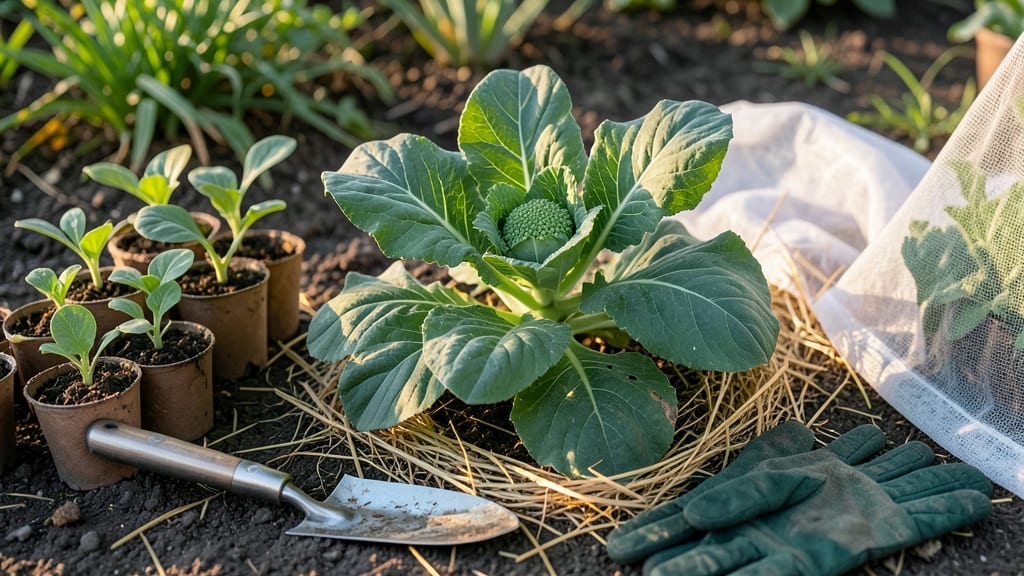
Planting a fall garden in North Carolina means timing your crops to avoid frost and maximize harvests—typically between mid-August and early October, depending on your region.
Picture this: you’ve spent all summer nurturing your garden, only to watch a late frost wipe out your hard work in a single night. That’s why knowing the exact window for planting cool-season crops like kale, broccoli, and spinach is the key to a successful harvest.
North Carolina’s diverse climate—from the Coastal Plain to the Mountains—means frost dates vary wildly. In the Piedmont, for example, the first frost can hit as early as mid-October, while coastal areas might stretch into November. The goal? Plant when soil temps stay above 50°F but before the first frost arrives.
In this guide, I’ll break down the best planting dates by crop and region, plus soil prep tips and frost-proofing tricks to ensure your fall garden thrives—no matter where you garden in NC.
NC fall planting calendar: exact dates by crop for zero frost risk
North Carolina’s three distinct climate zones—Coastal, Piedmont, and Mountains—each have unique frost timelines that dictate your fall planting window. The Coastal Plain typically enjoys a 30-day later start than the Mountains, while Piedmont sits in between.
Understanding these deadlines ensures your cool-season crops mature before first frost strikes.
For Coastal NC, the last safe planting dates extend into late October for fast-maturing crops like radishes and spinach, while Mountains gardeners must finish by mid-September for the same varieties. Brassicas like broccoli and kale need even earlier starts—8-10 weeks before frost—to reach harvest size.
Here’s your region-specific planting calendar, organized by crop type and frost-free deadlines to maximize your fall harvest without risk.
For Coastal NC gardeners, the extended growing season means you can push boundaries with late-season crops like turnips and collard greens, which thrive in cooler weather. Plant these 60 days before frost—typically by September 15—to ensure a robust harvest before winter sets in.
In the Piedmont region, where nights cool faster, prioritize fast-maturing varieties of leafy greens and radishes. These can handle light frosts and even taste sweeter after exposure, but avoid planting delicate crops like bok choy after October 1 unless you’re using row covers.
Mountains gardeners face the shortest window, so focus on hardy crops like kale and carrots, which can tolerate brief frost periods.
Start brassicas indoors by mid-July to transplant outdoors by August 15, giving them enough time to bulk up before first frost (typically October 15 in higher elevations).
Pro tip: Use NC State Extension’s frost date maps to pinpoint your exact last frost date. For most of the state, this falls between mid-October (Coastal) and early October (Mountains). Count backward from this date to determine your planting deadlines based on each crop’s days to maturity.
Don’t forget to harden off seedlings before transplanting—especially in Mountains regions where nighttime temps drop faster. Acclimate plants for 7-10 days by gradually reducing shade and evening watering to prevent transplant shock.
For succession planting, sow fast crops
How to adjust planting dates for NC’s microclimates and frost zones
North Carolina’s diverse landscapes—from the coastal plains to the mountain ridges—create unique microclimates that can shift your planting schedule by weeks. A Piedmont garden might have 10°F warmer nights than the mountains, delaying frost by 3-4 weeks. Understanding these differences helps you avoid frost damage while maximizing your harvest.
Your USDA hardiness zone (typically 7b-8a in NC) is a starting point, but elevation changes and urban heat islands (like Raleigh or Charlotte) can create localized pockets with earlier or later frosts. For example, Asheville’s higher elevation often sees frost 2 weeks earlier than Wilmington’s coast. Adjust your timing accordingly.
- 1
- 2
- 3
- 4
To fine-tune your schedule, check the NC State Extension’s frost date maps for your county. These tools provide historical averages and help you calculate your last safe planting date.
For example, in Zone 7b, aim to harvest broccoli before November 15, while Zone 8a gardeners can push it to December 1.
Extend your season with season-extending tools. A low tunnel can add 2-4 weeks to your growing window, while straw mulch insulates soil and protects roots. For high-value crops like bok choy, consider a mini greenhouse to harvest through January in milder zones.
Succession planting is your secret weapon. Instead of one big planting, sow small batches every 10-14 days for crops like radishes or carrots. This ensures a steady supply and reduces waste if frost hits early.
For example, plant 50 radish seeds every 2 weeks from August to October for continuous harvests.
Always monitor weather forecasts and adjust as needed. A cold snap in early November? Rush-harvest leafy greens and cover root crops with straw. With these adjustments, you’ll turn NC’s microclimates into your advantage—no frost left behind! 🌱