
Planting
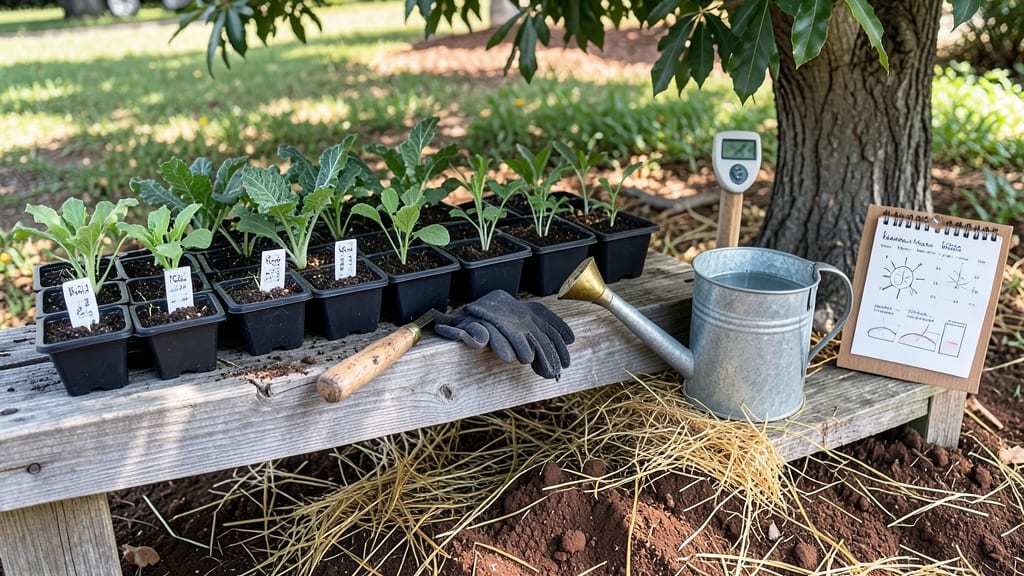
Planting a fall garden in South Texas should start 6-8 weeks before your first frost—typically between mid-August and early October, depending on your exact location.
South Texas gardeners know the struggle: Beat the brutal summer heat and avoid early frost—so when exactly should you plant your fall garden for maximum success? The answer isn’t just about dates; it’s about matching crops to your microclimate, whether you’re in the Rio Grande Valley or the Hill Country.
This isn’t your typical planting guide. We’re talking heat-tolerant varieties that thrive when soil temps drop below 85°F, succession planting for continuous harvests, and the 3 biggest mistakes that derail fall gardens here—like planting too early and inviting pests or waiting too long and risking stunted growth.
By the end, you’ll have a crop-by-crop schedule with exact dates, soil prep secrets for our sandy clay, and which 5 fall crops outperform all others in South Texas—plus how to keep them producing until December.
South Texas fall planting calendar: exact dates by crop type for zero frost risk
South Texas gardeners enjoy one of the longest growing seasons in the U.S., but timing your fall garden correctly means avoiding summer's brutal heat while maximizing frost-free harvests. With 300+ frost-free days annually, you can grow cool-season crops well into winter—but only if you plant at the right time.
My 8-week frost-free window starts around mid-October, so let's break down the best planting dates for each crop category to ensure your garden thrives.
First, understand South Texas' three planting phases: warm-season holdovers (like tomatoes and peppers), cool-season starters (leafy greens and brassicas), and late-season specialties (like spinach and kale). The key is to plant warm-season crops by mid-August and cool-season crops by early October to avoid early frost risks.
My Rio Grande Valley gardeners have a slightly longer window than Hill Country growers, so adjust based on your microclimate.
⚠️ NON-NEGOTIABLE: Always check your local first frost date (typically mid-December in most areas) and count backward 6-8 weeks for cool-season crops. For example, if frost hits December 15th, plant leafy greens by October 15th to ensure a full harvest before cold snaps. My fall garden success hinges on this timing—don't skip it!
| Crop Type | Planting Window | Frost-Free Deadline | Sun Needs | Notes |
|---|---|---|---|---|
| Warm-Season Holdovers | Mid-August - Early September | September 15th | Full Sun (6-8 hrs) | Tomatoes, peppers, okra |
| Cool-Season Starters | Early September - Mid-October | October 31st | Partial Sun (4-6 hrs) | Lettuce, spinach, kale |
| Late-Season Specialties | Late September - Early November | November 15th | Partial Shade (3-5 hrs) | Broccoli, cabbage, carrots |
| Herbs & Flowers | August - October | November 1st | Full Sun to Partial Shade | Basil, cilantro, marigolds |
For warm-season holdovers, like tomatoes and peppers, start seeds indoors in mid-July and transplant by mid-August. These heat-lovers need to establish roots before temperatures drop below 70°F.
My cherry tomatoes planted in early August still produced fruit well into November—proof that timing is everything! Use black plastic mulch to extend the season and keep soil warm.
Shift to cool-season crops in early September. These include leafy greens like lettuce, spinach, and kale, which thrive in 50-65°F temperatures. Seed packets often suggest planting 6-8 weeks before frost, but in South Texas, this translates to early September for most areas.
For example, my baby spinach seeded on September 1st was ready to harvest by October 15th—just in time for cooler weather.
Don’t overlook late-season specialties like broccoli, cabbage, and carrots. These crops handle light frosts and can even sweeten after a cold snap. Plant them by late September for a harvest in November-December. My broccoli crowns planted on September 20th produced three harvests before Christmas—double the yield of spring plantings!
Herbs and flowers deserve their own slot in your fall garden. Basil and cilantro planted in August-September will give you fresh flavors until November, while marigolds and nasturtiums add color and repel pests.
My herb spiral garden planted in early September provided month-long harvests of cilantro and basil—perfect for fall cooking (if you’re into that).
Pro tip: Use succession planting
How to adjust planting times for South Texas' unique microclimates (and avoid common mistakes)
South Texas isn't one-size-fits-all when it comes to gardening. The Rio Grande Valley can still hit 95°F in September, while the Hill Country might see 50°F nights by October.
These microclimates mean your fall planting window could vary by 4-6 weeks depending on location. Understanding these differences is key to avoiding wilted seedlings or frost-damaged crops.
For the Rio Grande Valley, where frost is rare until December, you can push planting later—late September to early October works for most cool-season crops.
But in the Hill Country, where light frosts can arrive by mid-November, you'll want to plant 6-8 weeks earlier (late August) to ensure harvests before cold snaps. Even within cities, urban heat islands can delay frost by 1-2 weeks, so monitor local Cooperative Extension reports.
⚠️ 3 Critical Mistakes That Wipe Out South Texas Fall Gardens
Mistake 1: Ignoring Soil Temperature – Planting cool-season crops when soil temps stay above 85°F (common in Valley gardens in September) causes bolting or poor germination. Wait until soil cools to 75°F or below—use a soil thermometer to check.
Mistake 2: Overlooking Microclimate Frost Zones – Just 20 miles inland from the coast, frost risk jumps. Hill Country gardeners often lose crops planted after October 15 to unexpected 32°F nights, while Valley gardeners can safely plant broccoli until November 1.
Mistake 3: Skipping Soil Prep for Clay-Heavy Soils – South Texas soils are often clay-dominant, which bakes hard in summer. Failing to amend with compost or gypsum before planting leads to root rot or stunted growth. Test your soil in August and adjust pH (aim for 6.0-7.0) and drainage.
To adjust planting times, start by identifying your local frost-free date. The Valley typically has 300+ frost-free days, while the Hill Country averages 270 days.
Use these as your backward count: Most vegetables need 45-60 days to mature, so plant broccoli or cabbage by September 15 (Hill Country) or October 1 (Valley).
For soil preparation, focus on two key steps: aeration and organic matter. Till in 3-4 inches of compost or aged manure in late July to break up compacted clay. Add 1 cup of perlite per 10 sq ft to improve drainage, especially in low-lying areas where water pools.
Mulch with straw or shredded leaves after planting to retain moisture and moderate soil temps.
Don’t forget to stagger plantings for continuous harvests. For example, sow lettuce every 2 weeks from September to November in the Valley, or August to October in the Hill Country. This ensures you’re always 60 days away from a fresh harvest, regardless of microclimate.
Pair fast growers like radishes (25 days) with slower crops like kale (60+ days) to maximize space.
Finally, watch for unpredictable weather shifts. Even in frost-free zones, northern winds can drop temps 10°F overnight. Use row covers or cold frames for sensitive crops like spinach or peas planted in late October.
With these adjustments, you’ll turn South Texas’ unique challenges into a high-yielding fall garden. 🌱