
Planting
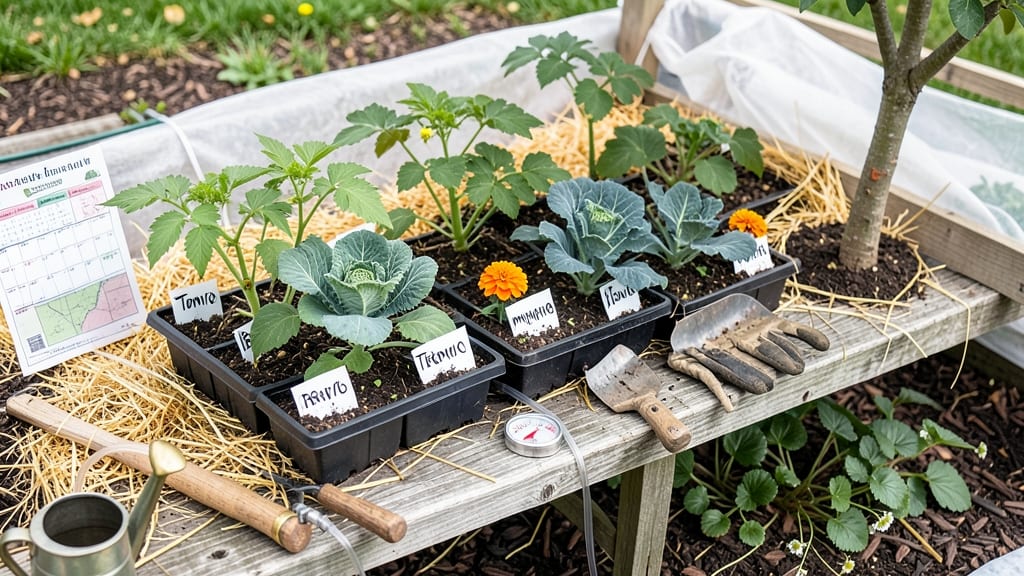
Planting your garden in East Tennessee at the right time ensures a bountiful harvest—but one wrong move, and frost or heat can turn your hard work into a loss.
With USDA Zones 6a-7a and frost dates that shift from mid-April to October, timing is everything. Miss the window for warm-season crops like tomatoes, and you’ll be left with six-foot vines and no fruit. Get the schedule right, though, and you’ll enjoy fresh veggies from spring through fall.
This guide breaks down the exact planting windows for East Tennessee, from cool-season greens in early spring to heat-loving peppers in late May. Whether you’re a beginner or a seasoned gardener, knowing when to plant 🌱—and what to plant—makes all the difference.
You’ll learn frost-free timelines, microclimate tricks for Knoxville vs. Johnson City, and how to stretch your growing season without a greenhouse. Ready to turn your garden into a year-round success?
East Tennessee frost-free dates by USDA zone 7a/b (2024 planting calendar)
Understanding East Tennessee's frost dates is your secret weapon for a bountiful garden. With USDA Zones 7a/b, your last spring frost typically arrives between March 15-30, while the first fall frost hits around October 15-30.
These dates create a 165-day growing season, perfect for both cool-season and warm-season crops.
However, microclimates matter—Knoxville's urban heat island delays frost slightly compared to higher-elevation areas like Johnson City. Always check local weather reports the week before planting to adjust your 10-day rule for warm-season crops like tomatoes and peppers.
The 10-day rule means planting warm-season crops 10 days after your average last frost date ensures they survive unexpected late frosts. For example, if your last frost is April 10, plant heat-lovers on April 20 to be safe.
| Location | Avg Last Frost | Avg First Frost | Growing Season | Planting Tip |
|---|---|---|---|---|
| Knoxville (Zone 7a) | March 20-25 | October 15-20 | 165-170 days | Use row covers for early planting |
| Johnson City (Zone 7b) | March 25-April 1 | October 20-25 | 170-175 days | Plant warm crops after April 10 |
| High Elevation (Zone 6b) | April 5-10 | October 5-10 | 150-155 days | Start seeds indoors 6-8 weeks early |
For cool-season crops like lettuce and spinach, you can start seeds indoors in February and transplant after your last frost. These plants thrive in 50-65°F soil and can handle light frosts.
Warm-season crops like tomatoes, peppers, and squash need soil temperatures above 60°F to germinate. Use a soil thermometer to confirm—wait until mid-May in most areas to plant these heat-lovers.
Fall planting begins 6-8 weeks before your first frost. For Knoxville, that means starting late July to early August for crops like broccoli and kale. These plants tolerate cooler temps and may even sweeten after a light frost!
Don’t forget perennials and shrubs! Plant them in early spring (March-April) or fall (September-October) when soil is workable but not frozen. Mulch heavily to protect roots from temperature swings.
If you live in a microclimate (like a sheltered valley or urban area), your frost dates may vary by 1-2 weeks. Observe your garden’s patterns for 3 years to refine your planting schedule.
Pro tip: Use frost cloth to extend your season by 2-4 weeks in spring or fall. It’s especially useful for tender annuals like basil and peppers.
Best vegetables & flowers to plant in East Tennessee (by season)
East Tennessee’s Zone 7a/b climate lets you grow everything from frost-tolerant spinach to heat-loving tomatoes. The key? Planting at the right time—too early, and frost zaps seedlings; too late, and summer heat stunts growth.
Let’s break down the best crops for each season, including spacing tips and transplanting windows tailored to your region.
For cool-season crops like broccoli and peas, start seeds indoors in March or sow directly after your last frost date (mid-April). Warm-season favorites—like tomatoes and peppers—thrive when soil reaches 60°F+, typically by late April to early May.
Perennials like lavender and asparagus need patience but reward you with years of harvests if planted correctly.
🌱 East Tennessee Planting Timeline by Season
- Spring (March–May): Sow cool-season crops (spinach, peas) after last frost (mid-April). Transplant tomatoes and peppers in late May once soil warms.
- Summer (June–August): Plant squash, beans, and cucumbers for late-summer harvests. Succession plant lettuce for fall.
- Fall (September–October): Start broccoli, kale, and pansies 6–8 weeks before first frost (mid-October).
- Winter (November–February): Plant garlic in fall for spring harvest. Use row covers to extend cold-hardy greens.
Spacing is critical in East Tennessee’s humid climate. Tomatoes need 18–24 inches apart to avoid disease, while carrots and radishes thrive in tight rows (2–3 inches apart).
For flowers, lavender should have 2–3 feet of space to prevent overcrowding, and marigolds can be planted 12 inches apart as companion plants.
Don’t overlook perennials like asparagus and rhubarb, which establish roots in spring but won’t produce until year 2 or 3.
Plant crowns 4–6 inches deep in well-drained soil for best results. Herbs like rosemary and thyme also thrive in East Tennessee’s climate—just ensure they get full sun and well-draining soil.
Pro tip: Use mulch to retain moisture and suppress weeds, especially during summer’s high heat. For fall crops, choose varieties like ‘Winterbor’ kale, which tolerates light frosts. And always rotate crops yearly to prevent soil depletion and pests.
With these seasonal guidelines, you’ll maximize your East Tennessee garden’s potential—whether you’re a beginner or a seasoned grower. Happy planting! 🌿