
Planting
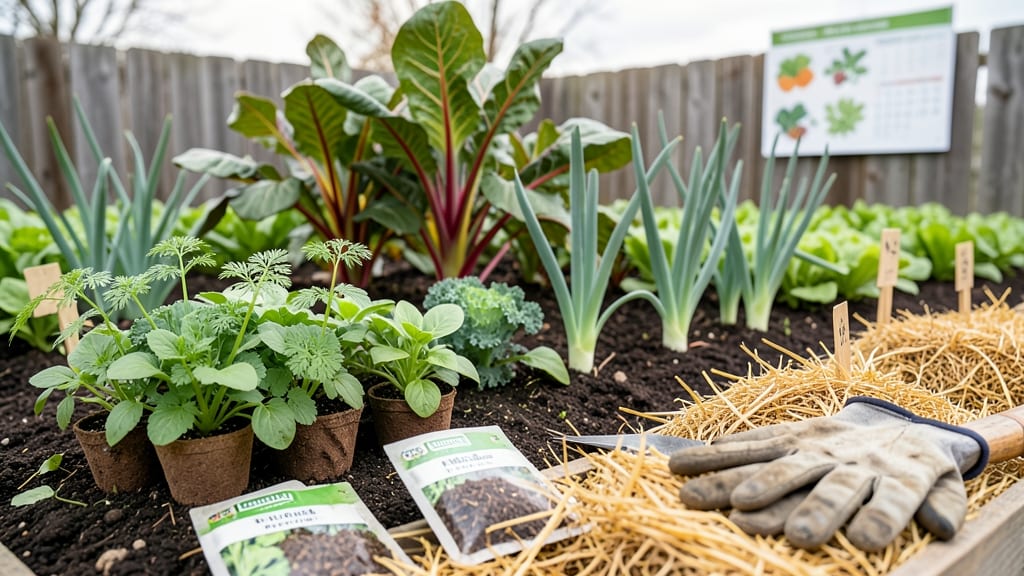
Planting a garden in Maine at the right time means catching a 60-day window between frost and summer heat—miss it, and your harvest could vanish before it starts.
Maine’s unpredictable frost dates can turn your gardening dreams into a high-stakes guessing game—plant too early, and your seedlings freeze; too late, and summer’s short growing season slips away. But with the right frost-free timeline, you can maximize your Zone 5 garden’s potential.
Most Maine gardeners wait until after the average last frost date, which varies from late May in southern Maine to early June in the north. Cool-season crops like lettuce and peas can handle light frosts, while tomatoes and peppers need warm soil to thrive.
In this guide, I’ll break down the exact weeks to plant, how to protect young plants from late frosts, and which crops to prioritize for Maine’s 60-day growing window. No more guesswork—just a harvest you can count on.
Maine’s last frost dates by region: when to plant cool-season vs warm-season crops
Maine’s Zone 5 climate means frost can linger until late May in some areas, while others may see early frosts by September. Understanding these regional variations is key to avoiding frozen seedlings or missed harvests.
Southern Maine typically warms up 1-2 weeks earlier than northern regions, creating a 30-day window for planting decisions.
For cool-season crops like lettuce, peas, and spinach, you can start planting as early as late April in southern Maine or wait until mid-May in the north. These hardy plants tolerate light frosts and even thrive in cooler temperatures.
Meanwhile, warm-season crops such as tomatoes, peppers, and cucumbers need to wait until after the last frost date—usually mid-to-late May—to avoid stunted growth.
Here’s a region-specific breakdown of Maine’s last frost dates and ideal planting windows for your garden’s success:
| Region | Last Frost Date | Cool-Season Planting Window | Warm-Season Planting Window | Microclimate Notes |
|---|---|---|---|---|
| Southern Maine (Portland, Kennebunk) | Mid-to-late May | Late April (hardy greens, peas) | Late May (tomatoes, peppers) | Coastal areas warm faster; use row covers for early starts. |
| Central Maine (Augusta, Waterville) | Late May | Early May (spinach, kale) | Early June (cucumbers, beans) | Inland areas stay cooler; black plastic mulch warms soil faster. |
| Northern Maine (Bangor, Presque Isle) | Early June | Mid-May (radishes, lettuce) | Mid-June (peppers, eggplants) | Shortest season; prioritize fast-maturing varieties. |
In southern Maine, where coastal breezes moderate temperatures, you can often plant warm-season crops by late May. However, inland areas like central Maine may need to wait until early June for tomatoes and peppers to thrive.
Meanwhile, northern Maine gardeners should focus on quick-harvest varieties and consider starting seeds indoors to extend their growing season.
Microclimates play a huge role in Maine’s gardening success. A south-facing slope can warm up 1-2 weeks earlier than a shaded valley, while urban heat islands in cities like Portland can push frost dates back by nearly a week.
Always monitor your local weather forecasts and use frost cloth for a safety net when in doubt.
For cool-season crops, succession planting every 2-3 weeks ensures a steady harvest.
For example, sow lettuce in late April, again in early May, and once more in late July for a fall crop. Peas and spinach are also forgiving and can handle light frosts, making them ideal for early planting.
When it comes to warm-season crops, timing is everything. Plant tomatoes and peppers too early, and they’ll languish in cool soil.
Wait until the soil reaches 60°F (test with a soil thermometer) before transplanting. Cucumbers and squash also need warmth, so hold off until after the last frost date in your area.
Pro tip: Use biodegradable pots for seedlings to avoid transplant shock when moving them outdoors after the frost date. This is especially helpful in Maine’s cool, wet springs, where soil can stay compacted and cold for weeks.
If you’re unsure about your local frost date, check with your local cooperative extension office or use a frost calendar app like Old Farmer’s Almanac. These resources provide hyper-localized data that can save your garden from unexpected chills.
Remember, Maine’s growing season is short, so every day counts. By aligning your planting schedule with your region’s frost dates—and accounting for microclimates—you’ll set your garden up for a bountiful, stress-free harvest.
How to extend your Maine growing season: cold frames, row covers, and succession planting
Maine’s short growing season doesn’t mean you’re limited to a few weeks of harvests. With the right season-extending techniques, you can push your frost-free window by 4-8 weeks—giving you more time to grow leafy greens, root vegetables, and even tomatoes.
The key is combining cold frames, row covers, and succession planting to create a layered approach that protects tender plants while maximizing your garden’s potential.
I’ve found that cold frames (unheated glass or plastic boxes) are my secret weapon for early spring starts.
They trap heat from the sun and can raise soil temperatures by 10-15°F, allowing me to plant spinach, kale, and peas as early as mid-April—sometimes even earlier if we get a warm spell.
For late fall harvests, a simple row cover (floating fabric or hoop tunnels) can shield lettuce, carrots, and radishes from light frosts, extending your harvest into October or November depending on your microclimate.
Here’s how I extend my Maine growing season using these three strategies—plus the best crops to prioritize for each method:
Use grow lights for seedlings like tomatoes, peppers, and basil. Harden off for 1 week before transplanting after May 10-20 (southern Maine) or June 1-15 (northern Maine).
Plant spinach, radishes, and peas under cold frames by mid-April. Remove frames when soil warms to 50°F (usually late May) to avoid overheating.
Cover lettuce, kale, and carrots with frost blankets by September 15 to protect from light frosts. Harvest before heavy snow arrives (usually late October).
Sow bush beans, zucchini, and basil in weekly batches from late May to early July. This ensures a continuous harvest and prevents wasted space.
One of my favorite succession planting tricks is staggering bush bean varieties—planting ‘Blue Lake’ one week, followed by ‘Contender’ two weeks later, and finishing with ‘Kentucky Wonder’ in early July. This way, I have beans ready to pick from July through September, even if the weather turns cool.
For warm-season crops like tomatoes and peppers, I always start seeds indoors in March and transplant after the last frost, but I’ll also add a row cover for an extra 10-14 days of warmth if a late frost threatens.
Don’t overlook cool-season crops like arugula and turnips for late summer planting. These thrive in Maine’s 50-60°F soil and can be sown as early as August 1 under row covers. By September 15, they’ll be ready for harvest before winter sets in.
I’ve even grown garlic in fall for a spring harvest—planting cloves in October and harvesting the following June. It’s a low-maintenance way to extend your garden’s productivity.
Pro tip: Keep a gardening journal to track when you plant and harvest each crop. Over time, you’ll notice microclimate patterns in your yard—like that sunny spot near the house that stays frost-free a week longer than the rest of the garden.
Use this data to fine-tune your planting schedule each year. With these techniques, you’ll turn Maine’s short season into a long, bountiful harvest—no matter how early the frost comes.