
Plants
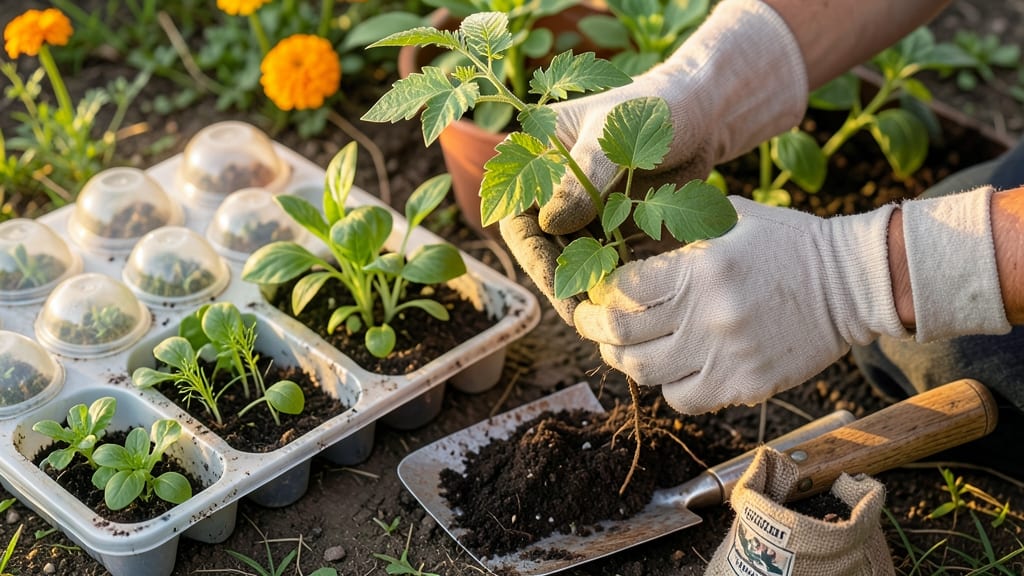
Planting garden plants at the right time means the difference between a lush harvest and a sad, wilted disappointment—so timing your spring planting window by your USDA zone is the key to success.
Picture this: you’ve spent weeks nurturing seedlings indoors, only to rush them outside too early and watch them crisp under a surprise frost. Or worse, you wait until summer and miss the chance to grow cool-season crops at all.
The right timing isn’t just about avoiding frost—it’s about matching each plant’s needs to your local climate.
From Zone 6a’s last frost in mid-April to the Southern Hemisphere’s opposite schedule, the rules shift dramatically. Some plants, like tomatoes, demand warmth and won’t tolerate cold soil, while others, like spinach, thrive in cooler weather. Even perennials have their ideal windows for root establishment.
In this guide, I’ll break down the exact frost-free windows by zone, how to adjust for early starts and late-season extensions, and which plants to prioritize in each season—so you can finally stop guessing and start growing with confidence.
Frost-free planting dates by USDA growing Zone: your state’s exact timeline
Understanding your USDA growing zone and frost-free dates is the foundation of successful gardening. Whether you're planting annuals, perennials, or biennials, knowing when to start seeds or transplant seedlings can mean the difference between a thriving garden and a failed crop.
Each zone—from Zone 3 to Zone 11—has distinct last frost and first frost windows that dictate your planting schedule.
For example, gardeners in Zone 3 (like Minnesota or northern New York) face a short growing season of just 90-120 days frost-free, while those in Zone 10 (like Florida or Southern California) enjoy year-round planting opportunities.
Microclimates—such as urban heat islands or high-altitude areas—can also shift your frost dates by 1-3 weeks, so always adjust your timeline accordingly.
Pro Tip: Use a frost calendar from your local Cooperative Extension Service for the most accurate dates in your area. These calendars account for historical averages and local variations that generic zone maps might miss.
If you’re in a high-altitude area (like Denver or Colorado Springs), your frost dates may arrive 2-4 weeks earlier than the zone average. For instance, Zone 5 in the mountains might
Best planting times for vegetables, flowers, and herbs: cool vs. warm season schedules
Timing is everything in gardening, and knowing whether your plants thrive in cool-season or warm-season conditions can make or break your harvest. Cool-season crops like spinach and broccoli grow best when temperatures dip below 75°F, while warm-season plants such as tomatoes and peppers need consistent warmth to flourish.
Missing the window for either can lead to slow growth, poor yields, or even plant death.
To avoid these pitfalls, I’ve broken down the ideal planting times for both categories, including succession planting tips and heat-tolerant varieties for late starts.
Whether you’re in a USDA Zone 5 or Zone 9, these guidelines will help you align your planting schedule with your local climate for maximum success.
For cool-season crops, focus on planting in early spring or late summer to avoid the heat. These plants often bolt or turn bitter when temperatures rise above 70°F, so timing is critical.
In USDA Zones 3-5, you can even extend your growing season into fall by planting late-summer crops like kale or spinach that thrive in cooler weather.
Warm-season plants, on the other hand, need consistent warmth to germinate and grow. If you’re in a Zone 7 or higher, you might get lucky with early starts, but in cooler zones, use black plastic mulch or row covers to warm the soil faster.
Heat-tolerant varieties like 'Heatmaster' tomatoes or 'Aristotle' peppers are perfect for late starts and can handle temperatures up to 95°F.
Succession planting is another game-changer. For cool-season crops, sow seeds every 2-3 weeks to ensure a steady supply of fresh produce. With warm-season plants, stagger your plantings every 10-14 days to extend your harvest window.
This method works especially well for bush beans, lettuce, and radishes, which mature quickly and leave room for follow-up plantings.
Pro tip: Always check your local frost dates and adjust your schedule accordingly. If you’re unsure, err on the side of planting early—most seedlings can handle a light frost, while late starts often struggle to catch up.
With the right timing, your garden will be bursting with life all season long! 🌱