
Container Gardens
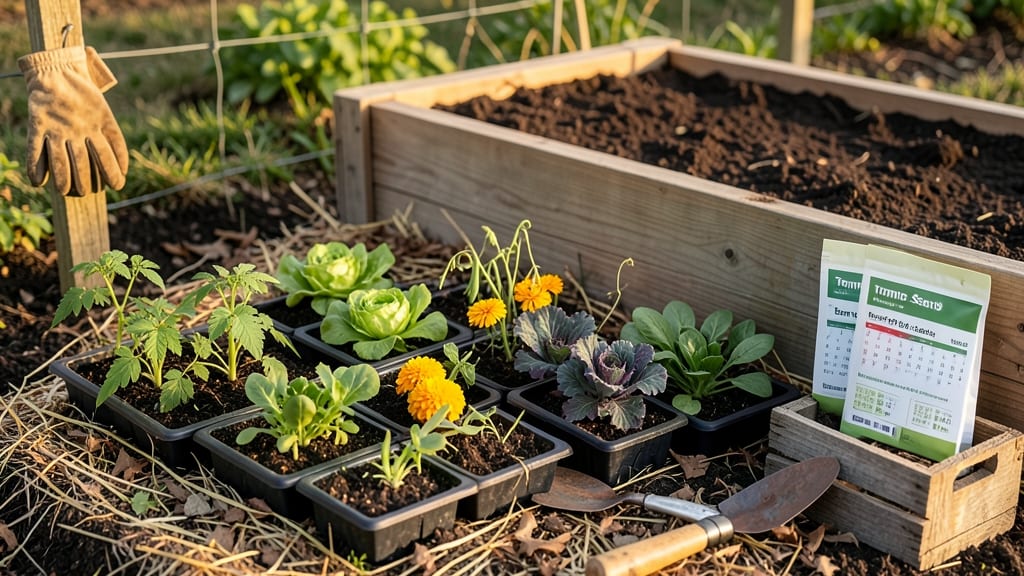
To plant gardens in Ohio, time your sowing between mid-March and early April for cool-season crops and wait until after the last frost—typically mid-May—for warm-season favorites.
Ohio’s unpredictable spring weather can turn a gardener’s hopeful planting schedule into a gamble—unless you know the exact last-frost dates for your county. Timing your garden right means the difference between thriving tomatoes and wilted seedlings.
With USDA zones 6a-6b and frost-free days ranging from 165 to 180, Ohio’s growing season is short but sweet. Whether you’re in Columbus or Cincinnati, planting at the right moment ensures your 🌱 garden thrives.
Below, I’ll break down the best planting windows by region, frost-resistant crops to start early, and how to adjust for late frosts—so you can maximize your harvest from spring to fall.
Ohio last-frost dates by county: a county-by-county planting timeline
Ohio’s diverse geography—from Lake Erie’s chilly breezes to the Appalachian foothills—creates wildly different last-frost dates across just 88 counties. Knowing your exact planting window means the difference between a bumper crop of tomatoes and sad, frost-nipped seedlings.
Below, I’ve broken down Ohio’s regions with USDA zone cross-references to help you plan like a pro.
Most Ohio gardeners fall in USDA Zones 5b-6b, but even within these zones, frost dates can vary by 2-3 weeks. For example, Ashtabula County (Zone 5b) often sees its last frost by April 20, while Adams County (Zone 6a) typically warms up by April 5.
These differences matter when choosing cold-hardy crops like peas or waiting for warm-season veggies like peppers.
Use this guide to time your spring planting perfectly. I’ve organized Ohio’s counties into four regions—Northwest, Northeast, Southeast, and Southwest—with average last-frost dates and key planting tips for each. Bookmark this for your garden journal!
Pro Tip: Always wait 1-2 weeks after the average last frost before planting tender annuals like basil or cucumbers. Late frosts happen—trust me, I’ve lost $80 worth of seedlings in one night!
If you’re in the Northwest, where Lake Erie’s cold air lingers, plan to wait until May 10 for warm-season crops. My neighbor in Lucas County once planted tomato seedlings on April 25—only to lose them to a late frost on May 3.
Meanwhile, gardeners in the Southeast can often start direct-sowing beans by April 15.
For fall planting, remember Ohio’s first frost typically arrives between October 10–25, depending on the region. Plant cool-season crops like spinach or kale by August 15 to harvest before winter sets in. I’ve had success with baby carrots planted as late as September 1 in Hamilton County.
Use these dates as a starting point, but always check the 10-day forecast before planting tender crops. I keep a garden thermometer buried in the soil to track soil temperatures, which should hit 60°F (15°C) for most warm-season veggies.
Pro tip: Cover seedlings with frost cloth if nighttime temps dip below 40°
How to adjust planting for Ohio’s microclimates and frost risks
Ohio’s diverse geography creates microclimates that can leave your tomatoes or peppers vulnerable to late frosts—even after your neighbors have planted. The Lake Erie region, for example, often experiences delayed spring warming due to lake breezes, while southern Ohio may face earlier frost risks in fall.
Understanding these variations helps you extend your growing season and protect tender plants.
Start by identifying your local frost pockets. Low-lying areas, valleys, and urban heat islands can all shift frost dates by 1-2 weeks. For instance, Cleveland’s last frost averages April 22, but nearby Geauga County may see frost as late as May 5.
Use frost-free date maps from Ohio State University Extension to pinpoint your exact zone.
⚠️ callout warning ⚠️
🌡️ Late Frost Alert!
Ohio’s late-season frosts (after May 10) can devastate warm-season crops. Use these 3 tactics to protect your garden:
- Row covers for tomatoes/peppers (raises temps by 5-8°F).
- Cold frames for seedlings (extends season by 4-6 weeks).
- Frost cloth over tender perennials (use black plastic for heat absorption).
Pro Tip: Monitor NOAA frost forecasts and set phone alerts for 32°F warnings.
Choose frost-resistant varieties suited to your microclimate. In northern Ohio, opt for early-maturing tomatoes like ‘Early Girl’ (55 days) or cold-hardy greens such as ‘Winter Density’ kale, which tolerates 20°F.
For southern Ohio’s longer growing season, try heat-tolerant peppers like ‘Carolina Wonder’ or okra, which thrive in 90°F+ temps.
Extend your season with seasonal layering. Start cool-season crops (spinach, peas) in early March under hoop tunnels, then transition to warm-season plants (beans, cucumbers) after May 15.
Use black plastic mulch to warm soil 5-10°F faster in spring, or straw mulch to insulate roots in fall. These low-cost tricks can add 2-4 weeks to your harvest.
For high-value crops like tomatoes or eggplants, consider container gardening. Move pots to protected spots (garages, porches) during cold snaps or place them on cinder blocks to drain excess moisture.
This flexibility lets you plant earlier and harvest later than in-ground gardens. Just ensure containers have drainage holes to prevent root rot from Ohio’s spring rains.
Finally, track your own data. Note when frosts occur, which varieties thrive, and how mulches perform in your yard. Over time, you’ll refine your planting schedule to outsmart Ohio’s unpredictable weather.
Share your findings with local gardening groups—collective knowledge is the best frost-proofing tool of all! 🌱