
Planting
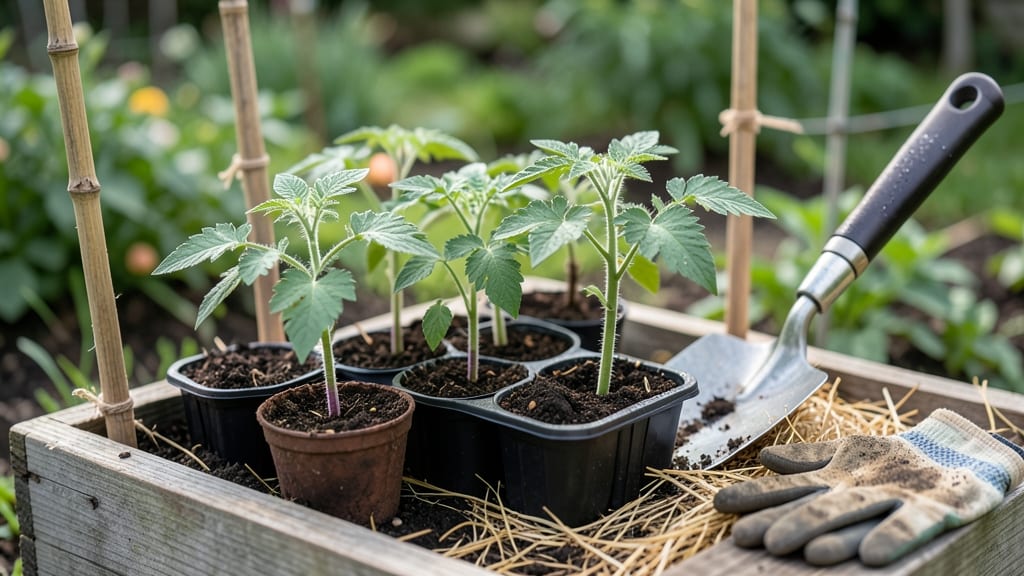
Plant tomato seedlings in the garden when soil temperatures hit 60°F and nighttime lows stay above 50°F — timing this right means the difference between a thriving 🍅 harvest and seedlings that shrivel before they even take root.
Picture this: you’ve nurtured your seedlings indoors for weeks, only to rush them outside too soon, where a single late frost turns your hard work into a sad, wilted memory. The key isn’t just waiting for frost-free dates—it’s about soil warmth, which most gardeners overlook until it’s too late.
In USDA Zone 6a, like where I garden, that window opens around late April or early May, but warmer climates can start as early as March.
Below, I’ll break down how to check soil temps, adjust for your region, and even salvage early plantings if Mother Nature throws a curveball.
You’ll learn the exact methods to test soil readiness, how to stretch your season with protective covers, and the one trick that keeps seedlings from bolting when nights stay chilly. Let’s get those tomatoes in the ground the right way.
Optimal soil temperature for planting tomato seedlings (with exact guidelines)
Tomatoes are warm-season plants that hate cold soil, so getting the soil temperature right is critical. The minimum safe soil temperature for transplanting is 50°F (10°C), but your seedlings will thrive best when the soil reaches 60°F (15.5°C) or warmer.
Cold soil slows root growth, delays establishment, and makes plants vulnerable to disease. Let’s break down exactly what you need to know to plant at the perfect time.
Why does soil temperature matter so much? Tomato roots struggle to absorb nutrients and water below 55°F (13°C). At these lower temps, roots become stunted, and seedlings may wilt or rot instead of thriving.
Even if daytime air temps feel warm, the soil may still be too cold—especially in early spring or shaded areas. Testing your soil’s warmth is the only way to be sure your seedlings are getting a proper start.
Here’s how to check your soil’s readiness: Use a soil thermometer (available for under $10) to measure 2-3 inches deep—this is where the roots will first establish. Take readings in the late afternoon when soil has absorbed warmth.
If the reading is below 50°F (10°C), your seedlings will struggle. Aim for 60°F (15.5°C) or higher for ideal growth.
Cold soil isn’t just about temperature—it’s also about moisture retention and oxygen availability. When soil is too cold, it holds excess moisture, creating waterlogged conditions that suffocate roots. This is why even warm air temps won’t help if the ground is still chilly.
If you’re in doubt, wait a few more days. Rushing can lead to poor root development and weak plants that never recover.
Here’s a quick soil temperature guide for tomato seedlings:
If your soil is still too cold, don’t panic—there are ways to warm it up faster. Lay down black plastic mulch 1-2 weeks before planting to absorb sunlight and raise soil temps by 5-10°F.
You can also use straw or grass clippings as a temporary mulch to insulate the soil. For extreme cold snaps, consider a mini greenhouse or row cover to protect young seedlings until the ground warms.
Another trick is to plant in raised beds, which warm up 2-3 weeks faster than in-ground soil. Fill them with a mix of compost and aged manure to boost organic matter, which retains heat better.
Avoid planting in shady or low-lying areas, as these spots stay cold longer. If you’re in a northern climate, consider starting with early-maturing varieties like ‘Stupice’ or ‘Early Girl’ to maximize your harvest window.
Once your soil hits the sweet spot of 60°F+, your seedlings will take off like a rocket. Within a week, you’ll see new growth as roots spread and establish. To keep them thriving, water deeply in the morning and avoid wetting the leaves to prevent disease.
Within 2-3 weeks, your tomatoes will be well on their way to producing a bountiful harvest.
Remember: Patience pays off. Rushing into cold soil might seem like a shortcut, but it often leads to failed transplants and wasted effort.
A few extra days waiting for the perfect soil temp can mean the difference between a disappointing few tomatoes and a garden overflowing with juicy, homegrown fruit.
Frost-free date calculator: how to time seedlings for maximum yield
Getting your tomato seedlings in the ground at the perfect time means avoiding frost damage while maximizing your harvest window. The key? Your local frost-free date and a 10-14 day hardening-off period before transplanting.
Let’s break down how to calculate your ideal planting window using USDA heat zones and regional examples.
First, find your last average frost date—this is your starting point. For USDA Zone 6a (like much of the Midwest), this is typically April 15, but zones like Zone 3 (northern climates) may wait until May 15 or later.
Subtract 10-14 days for hardening-off (acclimating seedlings to outdoor conditions), and you’ve got your transplant window.
- Step 1: Locate your USDA zone (e.g., Zone 3-10) and find your last frost date (check local weather resources).
- Step 2: Subtract 10-14 days from your frost date to account for hardening-off (e.g., Zone 6a: April 15 - 14 days = April 1 transplant date).
- Step 3: Verify soil temperature is at least 50°F (ideal: 60°F+) using a soil thermometer.
- Step 4: For early varieties, plant 2-3 weeks before your frost-free date if using row covers.
- Step 5: In Zone 10, plant year-round but avoid summer heatwaves (above 90°F).
Regional examples make it easier. In USDA Zone 5 (e.g., Chicago), aim for mid-May planting after hardening-off seedlings from late April. Meanwhile, Zone 8 (e.g., Atlanta) can start as early as early April for early-season varieties.
Always double-check with your local cooperative extension service for hyper-local adjustments.
Pro tip: Use a frost-free date calculator (like the one from Almanac.com) to input your ZIP code. These tools factor in microclimates (e.g., urban heat islands) and elevation, giving you a precise planting window.
For example, a mountain garden in Zone 6 may frost later than a valley garden just 20 miles away.
Don’t forget to account for your seedling’s maturity rate. Fast-growing cherry tomato varieties (e.g., Sweet 100) can be planted 2-3 weeks later than heirlooms like Brandywine, which need more time to fruit.
Match your planting date to your harvest goals—aim for 60-90 days to maturity before your first frost.
Timing your transplant correctly ensures your tomato plants thrive, not just survive. With these steps, you’ll avoid frost nibble on leaves and set your garden up for a bountiful harvest—no guesswork required. Happy planting! 🌱