
Tools
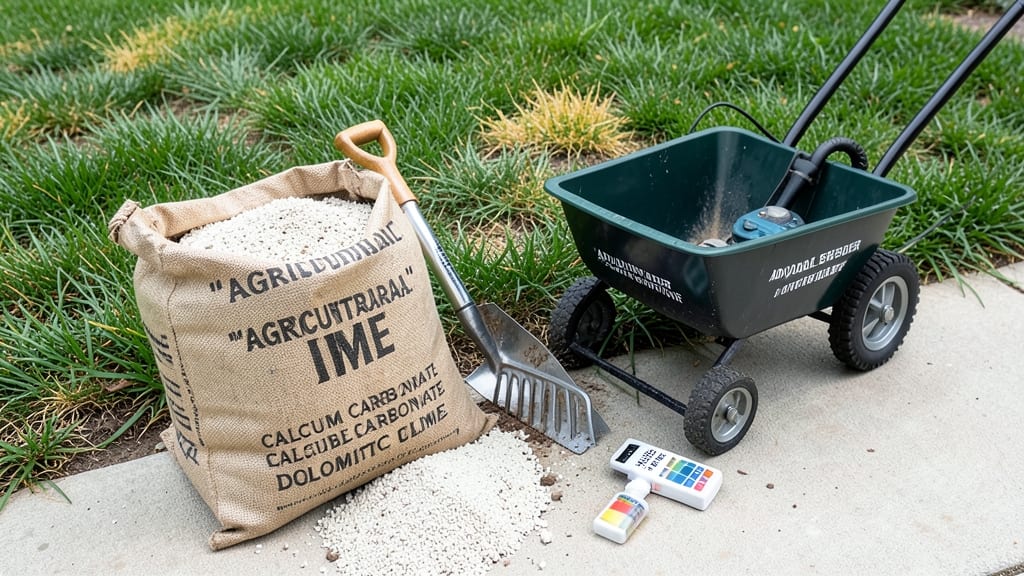
Putting lime in your garden at the right time can transform struggling plants into thriving ones—especially in acidic soil where blueberries and azaleas refuse to flourish.
Struggling with yellowing leaves or stunted plant growth? Your garden soil might be too acidic—and a simple dose of lime could be the game-changer you need.
Fall is the best time to apply lime, giving it months to work into the soil before spring planting. But timing matters: too early, and it washes away; too late, and it won’t have enough time to adjust your soil’s pH before the growing season kicks in.
Below, I’ll break down the exact window for your region, how to test your soil, and how often you should repeat the process—so you can finally grow the vibrant garden you’ve always wanted.
Best times to apply lime for optimal soil pH balance
If your garden soil is too acidic, lime is your secret weapon—but timing is everything. Applying lime at the wrong time can waste money, harm plants, or even make soil pH problems worse. The key is understanding when your soil needs adjustment and how seasonal changes affect lime effectiveness.
For most gardeners, fall and early spring are the golden windows, but regional climate and plant types can shift that timeline.
Before you grab that bag of lime, ask yourself: When should I apply lime for the biggest impact? The answer depends on your soil’s current pH, your local climate, and what you’re growing.
For example, blueberries and azaleas thrive in acidic soil (pH 4.5–5.5), while vegetables like tomatoes and peppers need slightly alkaline soil (pH 6.0–7.0). Lime raises pH, so timing matters to avoid overcorrecting or under-preparing your soil.
Why does timing matter so much? Lime needs time to react with soil acids and dissolve properly. Applying it too late in the season—like late summer or early fall—can leave your soil unprepared for spring planting.
Conversely, adding lime too early (e.g., winter in cold climates) can slow down its action until temperatures rise.
Another critical factor is weather conditions. Rainy seasons can dilute lime’s impact, while dry spells can cause it to clump or become ineffective. In humid climates, aim for fall application to avoid washing lime away during spring rains.
Meanwhile, in arid regions, early spring might be better to prevent lime from baking into the soil before the monsoon season.
Don’t forget about organic matter in your soil. Compost, peat moss, and leaf litter can temporarily mask pH changes, so always test after adding lime to see real results.
If you’re planting acid-loving plants like hydrangeas or rhododendrons, you might need to avoid lime entirely or use it sparingly in specific areas of your garden.
For container gardens, timing is even more precise. Since potting soil has limited volume, apply lime gradually over 2–3 months in early spring. Mix a small amount (1–2 tbsp per gallon of soil) into the top layer and water it in.
Re-test soil pH every few months, as containers dry out faster and pH can shift quickly.
Pro tip: Keep a garden journal to track when you apply lime and how your plants respond. Note any changes in leaf color, growth rate, or soil texture. Over time, you’ll learn the perfect schedule for your unique garden conditions.
Remember, patience is key—lime doesn’t work overnight, but with the right timing, you’ll see healthier plants and happier harvests.
🌱
How to test your soil pH before adding lime
Before adding garden lime, you must know your soil's pH level. Most vegetables and flowers thrive in slightly acidic to neutral soil (pH 6.0–7.0). Testing is simple and prevents over-liming, which can harm plants.
Grab a soil test kit or digital pH meter—both are affordable and easy to use.
Start by collecting soil samples from multiple spots in your garden. Scrape the top 2–3 inches of soil (avoid surface debris) and mix them in a clean bucket.
Moisten the sample slightly if using a test kit, or follow the meter’s instructions for fresh soil. This ensures accurate pH readings for your entire garden.
Interpreting results is key: A reading of 5.5 or below means your soil is too acidic and needs lime. Aim for a target pH of 6.5 for most gardens. If your soil tests between 5.6–6.0, a light application may suffice. For pH 5.0 or lower, you’ll need more lime or repeated applications over time.
| Soil pH Range | Lime Application Timing | Lime Type | Notes |
|---|---|---|---|
| Below 5.5 | Fall (3–4 months before planting) | Agricultural lime (calcium carbonate) | Highly acidic soil needs gradual adjustment |
| 5.6–6.0 | Early spring (before planting) | Pelletized lime (slow-release) | Light application for minor pH correction |
| 6.1–6.5 | Not recommended (ideal range) | N/A | Soil is already balanced; add compost instead |
| Above 7.0 | Avoid lime (use sulfur instead) | Elemental sulfur | Alkaline soil requires acidification |
To calculate how much lime to apply, use your soil test’s recommendations or this general rule: Apply 50–100 lbs of agricultural lime per 1,000 sq ft for every 1.0 pH point you need to raise.
For example, if your soil is pH 5.0 and you want pH 6.5, aim for 75 lbs per 1,000 sq ft. Spread evenly and water lightly to activate.
Test your soil again in 3–4 months to check progress. Lime takes time to work, so patience is key. If your garden has acid-loving plants like blueberries or azaleas, avoid over-liming—they prefer pH 4.5–5.5. Always match your lime type to your soil’s needs for the best results.
Now that you’ve tested your soil, you’re ready to adjust pH naturally and give your plants the perfect growing conditions. Happy gardening! 🌱