
Vegetables
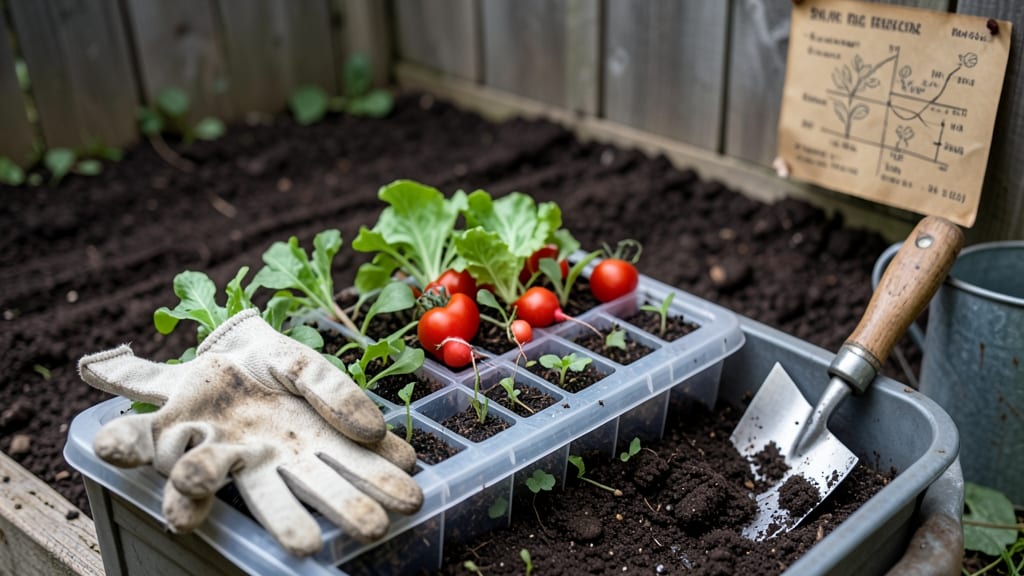
The best time to plant a vegetable garden depends on your climate zone and the crops you choose, but getting it right means the difference between a thriving harvest and wasted seeds.
Picture this: you’ve prepped the soil, ordered your favorite heirloom seeds, and then—whoosh—a late frost wipes out your seedlings before they even sprout. Or worse, your tomatoes bolt in the heat before they ripen.
Timing isn’t just about dates; it’s about matching your garden’s rhythm with your local weather patterns.
In Zone 6a, like many gardeners, you’ve got a 165-day frost-free window—just enough time to grow two full seasons if you plan ahead.
Cool-season crops like spinach and peas thrive when planted 4-6 weeks before your last frost (around early March), while heat-lovers like tomatoes and peppers need to go in after that danger date has passed.
Below, I’ll break down the exact planting windows by crop type, how to adjust for unpredictable weather, and even which veggies can handle a late start—so you can maximize your harvest without the guesswork.

Heat Zone planting calendar: when to start seeds vs transplants
Getting your vegetable garden's planting timing right depends on your USDA hardiness zone and whether you're starting seeds indoors or transplanting seedlings. Cold-hardy crops like peas and spinach can handle early spring planting, while heat-loving veggies like tomatoes and peppers need warmer soil to thrive.
Let's break down the best windows for each zone to ensure your garden succeeds.
First, calculate your frost-free dates—this is the foundation for all planting decisions. In Zone 3-5, frost can linger until late May, while Zones 8-11 may never experience frost. Knowing these dates helps you time your seed starting and transplanting for maximum growth potential.
For example, in Zone 6a, you'll want to start cool-season crops 4-6 weeks before your last frost, while warm-season crops should go in after the soil warms to 60°F+.
Direct sowing vs. transplanting also matters. Delicate seedlings like lettuce and carrots should be sown directly into the garden to avoid transplant shock, while tomatoes and peppers thrive when started indoors 6-8 weeks before their ideal transplant date. Below, we’ll outline the best windows for both methods across all zones.
Pro Tip: Use a frost-free date calculator (like the Old Farmer’s Almanac tool) to pinpoint your exact dates. For Zone 7a, this might mean starting tomatoes indoors in March and transplanting in May, while in Zone 10a, you could direct sow heat-lovers like okra as early as February.
Cold-hardy crops like kale, broccoli, and peas can often be planted 4-6 weeks before your last frost, while warm-season crops like beans, cucumbers, and squash need to wait until 2-4 weeks after your last frost. Below is a detailed breakdown to guide your planting schedule.
| USDA Zone | Cold-Hardy Crops (Start Seeds) | Warm-Season Crops (Transplant) | Frost-Free Window |
|---|---|---|---|
| Zone 3-4 | 4-6 weeks before last frost (March-April) | After last frost (May-June), soil 60°F+ | May 15 - September 15 |
| Zone 5-6 | 4 weeks before last frost (March-April) | 2-4 weeks after last frost (May-June) | April 15 - October 1 |
| Zone 7-8 | Late winter (February-March) | April-May (soil 65°F+) | March 15 - November 15 |
| Zone 9-10 | Fall or early spring (October-November or February) | Year-round (avoid peak summer heat) | Year-round (minimal frost risk) |
| Zone 11 | Year-round (cool season in winter) | Year-round (avoid extreme heat) | No frost risk |
In Zones 3-4, where frost lingers late, focus on early spring planting for peas, spinach, and lettuce. These crops tolerate cooler temperatures and can even handle light frosts.
For tomatoes and peppers, wait until the soil temperature consistently stays above 60°F—typically late May or June—before transplanting. Use row covers to extend the season if needed.
For Zones 5-6, like my garden in Zone 6a, I start cool-season crops indoors in February and transplant them in March. Warm-season crops like beans and squash go in after the last frost, usually by mid-May.
If you miss the spring window, don’t worry—many crops can be succession planted in late summer for a fall harvest.
In Zones 7-8, where frost is less of a concern, you can plant cool-season crops as early as February and warm-season crops by April. This longer growing season lets you experiment with fall planting too!
For example, I’ve had great success with kale and carrots planted in August for a late fall harvest. Just be mindful of bolting in heat-sensitive crops like lettuce.
Gardeners in Zones 9-11 enjoy the luxury of year-round planting, but even here, timing matters. Avoid planting heat-sensitive crops like cucumbers during peak summer (June-August) when
Top 5 heat-tolerant vegetables for late planting success
When summer heat arrives, many gardeners assume their growing season is over—but not with these heat-tolerant vegetables! These five powerhouse plants thrive when temperatures rise, giving you a second chance for a bountiful harvest.
Whether you're in Zone 7 or Zone 10, these varieties can extend your garden's productivity well into fall. The key is knowing the ideal transplant dates and companion plants to maximize their potential.
Unlike cool-season crops that bolt in the heat, these vegetables actually perform better when temperatures climb. Okra, for example, produces more pods in 90°F+ conditions, while Swiss chard becomes sweeter as days grow longer.
By planting these late-season stars, you can enjoy fresh produce when most gardeners are packing up their tools. Let’s dive into the top five and their perfect planting windows by zone.
- 1 Okra: Transplant 2-4 weeks after last frost (Zones 5-10). Thrives in 90-100°F heat. Companion plants: Sweet potatoes, beans, and marigolds.
- 2 Sweet Potatoes: Plant slips after soil reaches 65°F (Zones 6-11). Harvest before first frost. Companion plants: Corn, beans, and nasturtiums.
- 3 Swiss Chard: Sow seeds 4-6 weeks before last frost or direct-sow in late summer (Zones 3-10). Tolerates up to 95°F. Companion plants: Lettuce, onions, and radishes.
- 4 Southern Peas (Cowpeas): Plant after last frost (Zones 5-11). Fixes nitrogen in soil. Companion plants: Cucumbers, squash, and okra.
- 5 Black-Eyed Peas: Sow 2-3 weeks after last frost (Zones 6-11). Drought-tolerant once established. Companion plants: Corn, tomatoes, and carrots.
For late summer planting, aim to transplant these vegetables 8-10 weeks before your first frost date. For example, in Zone 8, that means getting them in the ground by mid-August to ensure a full harvest before cold sets in.
Mulch heavily with straw or wood chips to retain moisture and regulate soil temperature—this is especially critical for sweet potatoes, which despise dry soil.
Don’t overlook the power of companion planting to boost yields. Pairing okra with sweet potatoes not only saves space but also deters pests like squash bugs. Meanwhile, Swiss chard grows well alongside radishes, which act as natural pest repellents.
These strategic pairings can extend your harvest by 3-4 weeks into autumn, giving you fresh greens and pods when other gardens are quiet.
Pro tip: If your area experiences unpredictable heatwaves, opt for drought-tolerant varieties like ‘Clemson Spineless’ okra or ‘Georgia Jet’ black-eyed peas. These varieties require less frequent watering while still delivering high yields.
Always water deeply in the early morning to minimize evaporation and fungal risks—especially important for leafy greens like Swiss chard.
With these heat-loving vegetables, your late-season garden can be just as productive as your spring planting. Start with one or two varieties this year, and you’ll be amazed at how much extra food you can grow when the sun is at its peak. Happy planting! 🌱☀️