
Light Requirements
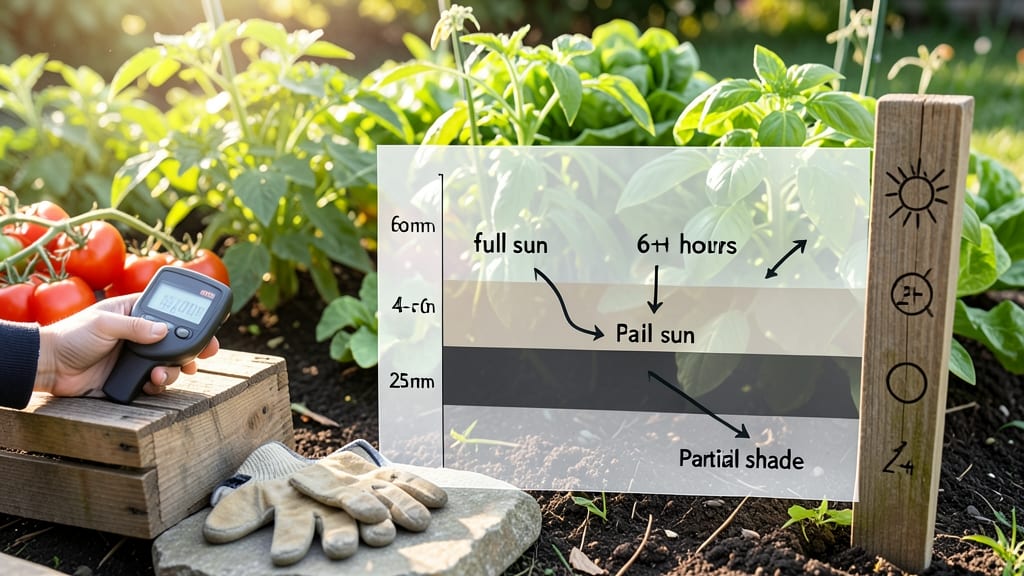
A vegetable garden needs how many hours of sun does a vegetable garden need—6 to 8 hours of direct sunlight daily—to produce the yields you’re dreaming of—but most gardeners either overestimate or underestimate what their plants truly need.
Picture this: you’ve spent weeks prepping your soil, carefully selecting seeds, and nurturing young plants—only to watch them bolt, wilt, or produce tiny, bitter fruits. That’s the frustration of getting the sunlight wrong, and it’s far more common than you’d think.
Some crops, like tomatoes and peppers, demand full sun to thrive, while leafy greens can handle a little shade. The key is understanding how much light your specific vegetables crave and how to adjust your garden layout to make the most of what you’ve got.
In this guide, I’ll break down the exact sunlight needs for common vegetables, show you how to measure sunlight in your garden, and share practical fixes for when your plants aren’t getting enough light to reach their full potential.


Sunlight requirements by vegetable type: full sun vs. partial shade needs
Understanding your vegetable garden’s sunlight requirements is the first step to a bountiful harvest.
While most vegetables crave 6-8 hours of full sun, some thrive in partial shade—especially in hot climates. Tomatoes and peppers, for example, wilt without direct sunlight, while leafy greens like spinach tolerate morning sun and afternoon shade.
The key is matching each plant’s needs to your garden’s light conditions.
Your garden’s sunlight isn’t static—it changes with seasonal shifts and local topography. A north-facing plot might receive only 4 hours of sun in winter but 8+ hours in summer. Spacing plants correctly and using companion planting can also optimize light exposure.
For instance, tall corn can shade shorter lettuce, so interplanting them strategically ensures both get enough light.
Here’s a quick reference for common vegetables and their sunlight needs, including how to adjust your layout for success:
| Vegetable | Sunlight Needs | Spacing Adjustment | Companion Plants |
|---|---|---|---|
| Tomatoes | 6-8 hours full sun | 18-24" apart; prune lower leaves | Basil, marigolds, onions |
| Peppers | 6-8 hours full sun | 12-18" apart; use black plastic mulch | Spinach, Swiss chard, radishes |
| Leafy Greens (Spinach, Lettuce) | 3-6 hours sun (partial shade) | 6-12" apart; succession plant | Carrots, radishes, bush beans |
| Cucumbers | 6-8 hours full sun | 12-24" apart; trellis for vertical growth | Dill, radishes, nasturtiums |
| Broccoli/Cauliflower | 5-6 hours sun (partial shade) | 18-24" apart; mulch heavily | Celery, onions, thyme |
| Carrots | 4-6 hours sun (partial shade) | 2-3" apart; loosen soil | Leeks, rosemary, sage |
If your garden lacks full sun, prioritize sun-loving crops like tomatoes and peppers in the sunniest spots. Leafy greens and root vegetables adapt better to partial shade, making them ideal for north-facing beds or areas under tall plants.
For example, I planted bush beans near my corn stalks—the beans thrived in the dappled shade while the corn soared toward the sky.
Adjusting plant spacing can also improve light penetration. Crowded plants compete for sunlight, leading to leggy growth and fewer yields. Trellising vining crops like cucumbers and pole beans lifts them off the ground, allowing lower-growing plants to receive more light.
Even a simple wire trellis can transform a shaded corner into a productive space.
For container gardens, place pots in the sunniest location and rotate them weekly to ensure even light exposure. Self-watering containers with built-in shade cloths are perfect for hot climates, reducing stress on plants like peppers that need consistent sunlight but can scorch in intense afternoon heat.
I’ve seen jalapeño peppers bolt to flower too quickly when exposed to 10+ hours of sun, so I now use 30% shade cloth in peak summer.
Don’t overlook seasonal adjustments. In summer, your garden might receive 10+ hours of sunlight, but in winter, that drops to 4-6 hours. Leafy greens like kale and Swiss chard actually prefer cooler temperatures and can handle more shade in summer.
Meanwhile, warm-season crops like eggplants and okra need full sun year-round to produce well.
If you’re unsure about your garden’s sunlight, use a sunlight tracker for a week. Place a whiteboard or chalkboard in different spots and mark the hours of direct sun.
Alternatively, observe your lawn—areas where grass stays green year-round get full sun, while patches that turn brown in summer receive partial shade. This simple trick helped me redesign my garden layout last year, boosting my tomato yield by 40%
How to measure and adjust sunlight in your garden for maximum yields
Measuring sunlight in your garden isn't just about guessing—it's about precision. Many gardeners assume their space gets enough light, only to watch their tomatoes or peppers fail to thrive. The truth?
Most vegetables need 6-8 hours of direct sunlight daily, but some tolerate less while others demand more. Without accurate measurements, you risk underperforming crops or overheating delicate plants.
Start by observing your garden throughout the day, especially during the peak growing months (June-August). Use a simple sunlight tracker like a white board or even your phone to record how many hours each spot receives full sun.
Shadow from trees, fences, or nearby buildings can drastically reduce exposure—sometimes by 30-50%—so don’t assume your garden is uniform.
⚠️ callout warning
❌ Less than 4 hours: Only shade-tolerant crops (e.g., lettuce, spinach) survive—most vegetables bolt or produce poorly.
⚠️ 4-6 hours: Partial shade—ideal for green beans or kale, but fruiting plants (like tomatoes) will struggle.
✅ 6-8 hours: Full sun—the sweet spot for 90% of vegetables, including peppers, cucumbers, and eggplants.
⚠️ 8+ hours: Risk of heat stress—use shade cloth (30-50%) for delicate plants in hot climates.
If your garden falls short, don’t despair—strategic adjustments can make a huge difference. For areas with 4-6 hours of sun, prioritize leafy greens or root vegetables like carrots and radishes.
These tolerate partial shade better than fruiting plants. Meanwhile, use reflective surfaces (like white mulch or mirrors) to bounce extra light onto shady spots during critical morning hours.
For gardens with excessive sunlight (especially in southern climates), shade cloth is your best friend. A 30% shade cloth reduces light by 30% while allowing airflow, perfect for tomatoes or peppers in peak summer.
Install it above plants rather than beside them to avoid creating new shade zones. Pair this with drip irrigation to keep soil moist without overheating roots.
Another game-changer? Vertical gardening. Trellises for cucumbers or beans lift plants off the ground, improving airflow and light exposure for lower leaves. Plus, it maximizes space in small gardens.
Just ensure your trellis doesn’t cast its own shadow—place it where it faces south in the Northern Hemisphere to capture the most light.
Finally, rotate your crops annually to account for seasonal sunlight shifts. A spot that gets full sun in summer might only receive 4 hours in winter due to lower sun angles.
Plan your layout so sun-loving crops occupy summer-sunny areas, while cool-season plants (like broccoli) can thrive in the same space once temperatures drop.
With these adjustments, you’ll turn even tricky sunlight conditions into a high-yield garden. The key is flexibility—watch your plants, tweak as needed, and don’t be afraid to experiment! 🌱