
Fertilization
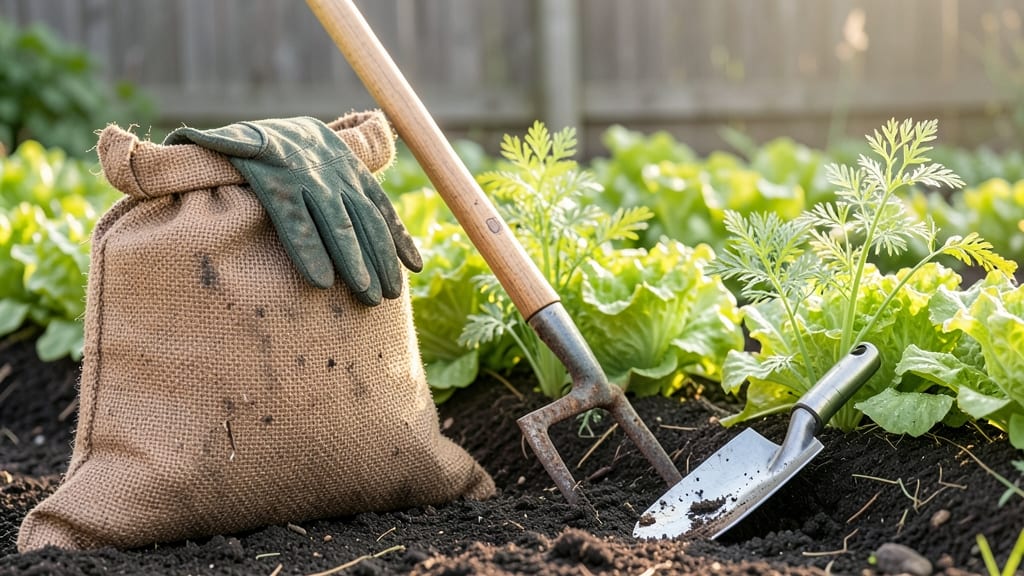
Using chicken fertilizer for gardens is one of the fastest ways to turn lackluster soil into a nutrient powerhouse 🐔🌱 — but only if you know how to handle it right.
Picture this: You’ve spent hours planting your spring garden, only to watch your greens wilt or your tomatoes struggle to set fruit. The problem? Soil that’s hungry for nitrogen, phosphorus, and organic matter.
That’s where chicken manure comes in—packed with three times the nitrogen of cow manure, it’s a gardener’s secret weapon for lush, productive beds.
But here’s the catch: fresh chicken manure can burn plants if applied directly, and improper storage might attract pests. The good news? With the right aging, application timing, and safety steps, you’ll unlock a game-changer for your garden without the risks.
In this guide, I’ll walk you through the types of chicken fertilizer, how to apply it for maximum benefit, and the critical precautions to keep your plants thriving—not wilting. Let’s get your soil working harder than ever.
How chicken manure fertilizer boosts soil health with high nitrogen content
If you've ever wondered why your garden thrives after adding chicken manure fertilizer, the answer lies in its high nitrogen content and natural decomposition process. Unlike synthetic fertilizers that deliver quick but temporary nutrients, chicken manure releases slow-release nitrogen over time, creating a nutrient-rich ecosystem for your plants.
This organic powerhouse doesn't just feed your plants—it revives soil structure, boosts microbial activity, and enhances root development.
Chicken manure contains 2-4% nitrogen by weight, making it one of the most effective organic fertilizers for leafy greens, vegetables, and lawns. The decomposition process transforms raw manure into a nutrient-dense amendment that improves soil aeration and water retention.
For gardeners seeking sustainable growth, this natural fertilizer outperforms chemical alternatives by fostering long-term soil health rather than short-term gains.
Here’s how chicken manure works its magic: when properly aged, it breaks down into humus, a dark, crumbly organic matter that enhances soil fertility. This process also introduces beneficial microbes that help plants absorb nutrients more efficiently.
Unlike synthetic fertilizers that can harm soil biology, chicken manure builds a thriving underground ecosystem that supports plant vitality for years.
The key to unlocking these benefits lies in proper aging. Fresh chicken manure is too potent and can burn plant roots due to high ammonia levels. However, when composted for 6-12 months, it becomes a safe, nutrient-rich amendment with a balanced NPK ratio (Nitrogen-Phosphorus-Potassium).
This transformation makes it ideal for garden beds, containers, and even lawns, providing a steady nutrient supply without the risks of synthetic products.
| Property | Fresh Manure | Aged 6+ Months | Composted |
|---|---|---|---|
| Nitrogen Content (%) | 1.5-2.5 | 2-4 | 1-3 (stable) |
| Decomposition Time | Weeks | Months | 6-12 months |
| Soil pH Impact | Neutral to slight acid | Neutral | Neutral to alkaline |
| Best For | Compost piles | Top-dressing | Garden beds, containers |
| Application Rate | ½ cup per plant | 1 cup per 10 sqft | 2-3 cups per 10 sqft |
| Plant Response | Risk of burn | Slow, steady growth | Vigorous growth, dark green foliage |
The nitrogen-rich nature of chicken manure makes it a game-changer for nitrogen-loving plants like lettuce, spinach, and corn. Unlike synthetic fertilizers that provide an immediate but short-lived boost, chicken manure releases nutrients gradually, ensuring your plants receive a consistent supply throughout the growing season.
This slow-release mechanism reduces the risk of nutrient leaching and supports sustainable plant development.
Beyond nitrogen, chicken manure improves soil structure by increasing organic matter content. This enhancement leads to better water retention and aeration, creating an ideal environment for root systems to thrive.
For gardeners dealing with compacted or poor-quality soil, adding composted chicken manure can transform barren ground into a fertile growing medium within months.
One of the most significant advantages of chicken manure is its ability to stimulate microbial activity. The decomposition process introduces beneficial bacteria and fungi that break down organic matter into plant-accessible nutrients.
This microbial boost not only enhances nutrient availability but also strengthens plants' natural defenses against pests and diseases. Unlike chemical fertilizers that can disrupt soil ecosystems, chicken manure fosters a balanced, thriving underground community.
For best results, always dilute or compost chicken manure before applying it to your garden. A simple 1:1 ratio with finished compost or soil ensures safe application without risking plant burns.
Whether you're growing vegetables, flowers, or lawns, this organic fertilizer delivers long-term benefits that synthetic alternatives simply can't match. The key is patience—letting nature do the work through proper aging and decomposition.
Ready to give your garden the nitrogen boost it deserves? Start with composted chicken manure and watch your plants thrive with darker foliage, stronger stems, and higher yields.
The secret to lush growth isn’t just in what you add to the soil—it’s in how you prepare it for your plants to flourish naturally. 🌱🐔
Step-by-step guide: applying chicken manure fertilizer safely to your garden
Applying chicken manure fertilizer can supercharge your garden, but getting the timing and method right is key. Fresh manure burns plants, while composted manure feeds them—so knowing when and how to apply makes all the difference.
Whether you're prepping for spring planting or boosting summer growth, these steps ensure your soil gets the nitrogen-rich boost without harming your plants.
Before you start, gather your supplies: chicken manure (aged at least 6 months), gloves, a shovel or trowel, and a watering can. If using fresh manure, plan to compost it first—this critical step prevents plant damage.
For best results, apply in early spring or fall, giving nutrients time to integrate into the soil before planting.
-
Step 1: Choose Your Method
Composting: Mix 1 part chicken manure with 2 parts brown material (straw, leaves) in a bin. Turn weekly for 3-6 months. -
Step 2: Prepare the Soil
Loosen soil to 6 inches deep with a garden fork. Remove weeds or debris to avoid competition for nutrients. -
Step 3: Apply the Fertilizer
For composted manure: Sprinkle 1-2 cups per 10 sq ft directly on soil. For raw manure: Use ½ cup per plant (aged 6+ months). -
Step 4: Mix or Top-Dress
Direct mixing: Work into top 4-6 inches of soil. Top-dressing: Spread on surface and lightly scratch in (ideal for lawns). -
Step 5: Water Thoroughly
Apply 1 inch of water to activate nutrients and prevent burning. Avoid midday application to reduce evaporation. -
Step 6: Monitor Plant Health
Watch for yellowing leaves (over-application) or stunted growth (under-application). Adjust future doses accordingly.
For container gardens, reduce the dose to ½ cup per 5-gallon pot to avoid salt buildup. Always label your compost piles or bags to track aging time—this prevents accidental overuse of fresh manure.
If you're fertilizing leafy greens like lettuce or spinach, focus on nitrogen-heavy applications every 4-6 weeks.
Timing is everything: apply 4-6 weeks before planting for vegetables or 2-3 months before for perennials like roses or fruit trees. This gives microbes time to break down the manure, releasing nutrients gradually. Store unused manure in a covered bin away from rain to maintain potency.
Remember, less is more with chicken manure—its high nitrogen content can overwhelm plants if overapplied. Start with smaller amounts and increase gradually based on your plants' response. With the right approach, your garden will thrive with lush foliage and robust growth all season long. 🌱