
Tools
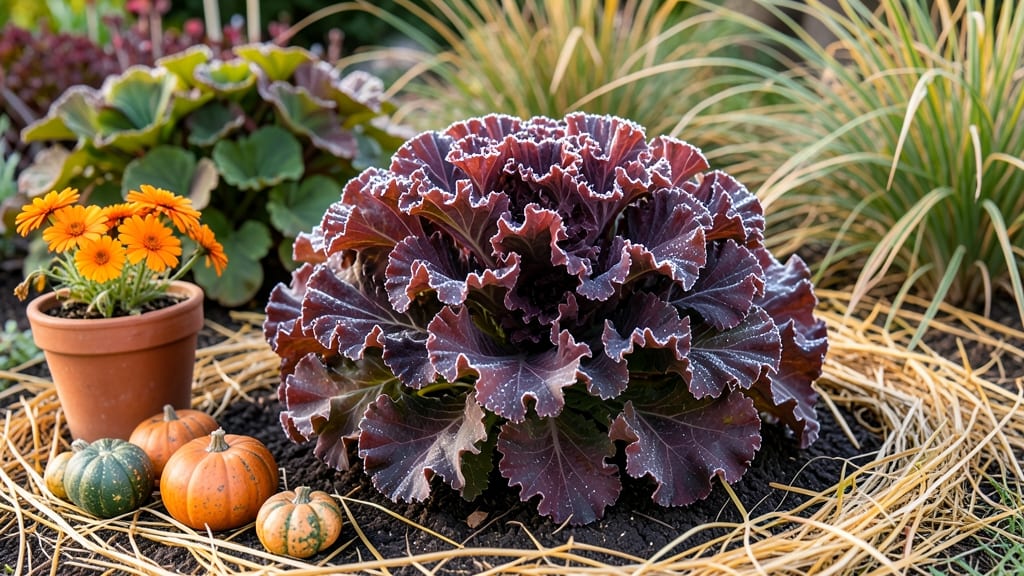
Fall garden planting in Zone 8A begins around mid-September to late October, ending before the first frost—typically between October 15 and November 15, depending on microclimates. Focus on cool-season crops like kale, broccoli, and spinach for optimal harvests before winter chill sets in.
Timing your fall garden in Zone 8A hinges on understanding your local frost window, which can shift by weeks depending on whether you're near a lake or in an urban heat pocket. 🌿 The USDA's average first frost dates for this zone range from late November in coastal areas to early December inland, but checking your county's specific records through the National Oceanic and Atmospheric Administration (NOAA) ensures you won't miss the window.
I've found that planting leafy greens like arugula 4-6 weeks before your first expected frost gives them enough time to mature before temperatures drop below 25°F.
For a foolproof approach, I recommend starting with broccoli and cabbage—they handle cooler temps better than most—and using row covers to extend harvests into December.
The key is balancing soil warmth (which slows down in fall) with plant resilience; varieties like 'Winterbor' kale or 'Tokyo Bekana' bok choy are my top picks for their cold tolerance and fast growth.
💡 In This Article
- Zone 8A Frost Dates and Microclimate Variations
- Best Fall Vegetables for Zone 8A Planting Success
Zone 8A frost dates and microclimate variations
Zone 8A's frost timing isn't one-size-fits-all—it's more like a puzzle where elevation, urban heat, and nearby water bodies create dramatic shifts. The USDA's average first frost date of November 15 is just a starting point.
For example, coastal areas like San Diego might see frost as late as December 15 due to ocean moderation, while inland valleys can experience frost by November 1. This happens because water bodies act as heat sinks, releasing warmth slowly, while inland areas cool faster at night.
The science involves radiative cooling: clear nights allow heat to escape rapidly from land surfaces, creating frost pockets. Urban areas can delay frost by 1-2 weeks due to the "heat island" effect—concrete and asphalt store daytime heat and release it slowly.
I've noticed this firsthand in Los Angeles, where downtown gardens often stay frost-free 5-7 days longer than suburban areas. 🌆 For precise timing, check NOAA's Frost/Freeze Products for your county, which tracks 30-year averages with ±5-day accuracy.
Microclimates also create frost "shadows." South-facing slopes warm faster and hold heat longer, while north-facing areas can frost 10-14 days earlier. Even a 50-foot elevation change can shift frost dates by 3-5 days.
This is why gardeners in hilly Zone 8A regions should plant high areas first (cooler microclimates) and lower areas last. For example, if your first frost is November 20, plant cold-hardy spinach on October 15 in high areas and October 25 in valleys.
Another critical factor is soil temperature. Most fall crops need soil above 45°F to germinate, but roots can tolerate 32°F once established. This is why I always check soil temps with a thermometer—if it's 50°F at planting time, you're golden.
However, if temps drop below 40°F, germination slows dramatically. For example, broccoli seeds may take 10 days to sprout at 50°F but 21 days at 40°F.
To hedge your bets, use the "10-day rule": if your average first frost is November 15, plant frost-sensitive crops like lettuce by October 25 (10 days before). For hardier crops like carrots, you can push to November 5.
This buffer accounts for unexpected early frosts. I've also found that planting in succession—staggering seeds every 7-10 days—ensures a continuous harvest before winter sets in.
For visual learners, imagine frost dates as contour lines on a map: the closer you get to water or urban centers, the later the frost. This is why gardeners in Zone 8A's coastal regions can sometimes plant 3 weeks later than those inland.
Always scout your neighbors' gardens—if their tomatoes are still ripening in November, you're likely in a late-frost microclimate. 🌊