
Planting
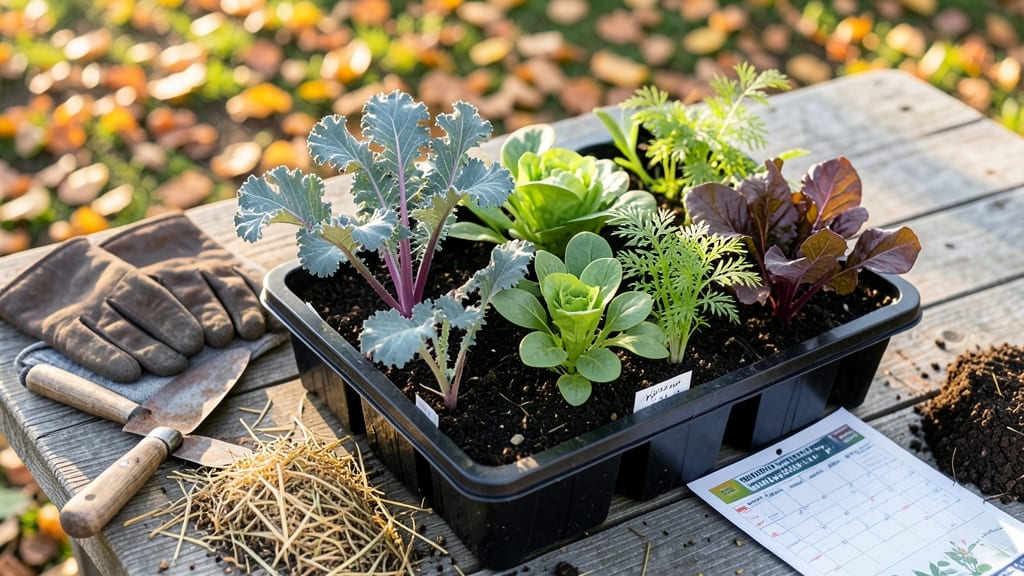
Planting a fall garden in Zone 7 means timing your crops to thrive before the first frost hits—usually between late summer and early fall, depending on your exact microclimate.
If you’ve ever watched your summer harvests fade and wondered how to stretch the growing season, a well-planned fall garden is your answer. The key is starting 4 to 6 weeks before your first frost date, but get it wrong, and you’ll either face bolting greens or frost-bitten roots.
With the right crops and timing, you can enjoy fresh kale, carrots, and spinach long after summer’s over.
Zone 7 spans diverse regions, from the cooler Appalachian foothills to the warmer Piedmont plains, so planting windows vary. For example, spinach and lettuce need cooler soil, while broccoli and kale tolerate a little more heat.
I’ll break down the exact dates for each crop, plus how to adjust for your local frost risks.
Ready to extend your harvest? Below, you’ll find a crop-by-crop planting schedule, soil prep tips, and tricks to protect tender plants from late-season chills—so you can enjoy a bountiful fall garden without the guesswork.
Zone 7 fall planting timeline: exact dates for frost-resistant crops
Fall gardening in Zone 7 offers a second chance to grow fresh vegetables after summer’s heat. The key? Planting at the right time to avoid early frosts (typically October 15–November 1) while maximizing cool-season growth.
Heat-tolerant varieties like Swiss chard or collard greens can handle early planting, while broccoli and kale thrive closer to frost. Timing is everything—plant too early, and you’ll battle bolting; too late, and frost ruins tender leaves.
Your Zone 7 fall planting window spans from late July to mid-October, depending on the crop. Start with heat-tolerant varieties in July, then transition to frost-hardy plants by September.
For example, lettuce planted in early August will be ready to harvest just before frost, while spinach sown in late August can handle light frosts. Use this timeline to align your planting with soil temperatures (ideal: 50–70°F) and daylight hours (12+ hours in summer, dropping to 10 by October).
Here’s your crop-by-crop planting schedule for Zone 7, calculated to avoid frost damage while maximizing yield. Use this as a guide, but adjust for your local microclimate—urban areas may frost earlier, while rural spots can delay frost by weeks.
| Crop | Planting Window | Days to Maturity | Frost Tolerance | Notes | ||||||||||||||||||||
|---|---|---|---|---|---|---|---|---|---|---|---|---|---|---|---|---|---|---|---|---|---|---|---|---|
| Broccoli | Late July–early September | 50–70 days | Light frost (28°F) | Choose heat-tolerant varieties like 'De Cicco' for early planting. | ||||||||||||||||||||
| Kale | Late July–mid-October | 45–60 days | Hardy to 20°F | Sweeter after frost; harvest outer leaves to extend harvest. | ||||||||||||||||||||
| Spinach | Late August–early October | 30–50 days | Light frost (25°F) | Avoid bolting by planting bolt-resistant varieties like 'Bloomsdale'. | ||||||||||||||||||||
| Lettuce | Early August–mid-September | 30–50 days | Light frost (28°F) | Use butterhead or romaine for heat tolerance. | ||||||||||||||||||||
| Carrots | Mid-July–early September | 60–80 days | Hardy to 20°F | Sow in loose, stone-free soil for straight roots. | ||||||||||||||||||||
| Swiss Chard | Late July–mid-September | 50–60 days | Hardy to 15°F | Heat-tolerant; harvest leaves as needed for continuous yield. | ||||||||||||||||||||
| Radishes | Early August–late September | 25–30 days | Light frost (25°F) | Fast-growing; great for succession planting every 2 weeks. | ||||||||||||||||||||
| Green Onions | Late July–early October | 60 days | Hardy to 20°F | Regrow from scraps or direct-sow for continuous harvest. | ||||||||||||||||||||
| Cilantro | Late August–mid-September | 40–50 days | Light frost (28°F) | Bolt-resistant varieties like 'Santo' perform best in fall. | ||||||||||||||||||||
| Parsley | Late July–early September | 70–90 days | Hardy to 20°F |
How to adjust planting dates for early vs. late Zone 7 microclimatesZone 7 isn’t one-size-fits-all—your last frost date can vary by 10 days or more depending on whether you’re in the Appalachian foothills (earlier frost) or the Piedmont region (later frost). Even within 50 miles, elevation, urban heat islands, or coastal breezes shift your planting window. For example, Asheville’s first frost often hits by October 10, while Raleigh’s may linger until November 5. To navigate these differences, start by checking your local frost calendar (like the Old Farmer’s Almanac) and adjust your planting dates by 2–4 weeks for early vs. late microclimates. Coastal areas like Outer Banks may even push harvests 2 weeks later thanks to moderating ocean winds. Comparison Table: Adjusting Planting Dates by Microclimate in Zone 7
For early frost zones, like the Blue Ridge Mountains, prioritize fast-maturing varieties (e.g., ‘Early Wonder’ peas or ‘Black Seeded Simpson’ lettuce) and use row covers to extend harvests by 2–3 weeks. In coastal or urban areas, you can afford to plant heat-tolerant crops like ‘Fordhook’ giant leaf lettuce or ‘Red Ruby’ turnips slightly later, even into early September, without bolting. Succession planting is your secret weapon for late microclimates. Sow radishes every 2 weeks from August to October—they mature in 25 days and signal when it’s safe to plant slower crops like kale or carrots. Pair this with cold frames (which can add 4–6°F of warmth) to push spinach or arugula harvests into December in milder zones. Pro tip: Test your soil temperature before planting—cool-season crops thrive at 45–75°F, but below 50°F, growth slows dramatically. Use a soil thermometer to avoid planting broccoli or cabbage when temps dip too low. In Appalachian zones, wait until mid-August for these; in Piedmont, you can start as late as early September. Don’t let microclimate stress overwhelm you—start with one adjustment (like row covers for early frost areas) and track your results. With these tweaks, you’ll turn Zone 7’s variability into an advantage, harvesting fresh greens in November when others are wrapping up their gardens. 🌱 |