
Tools
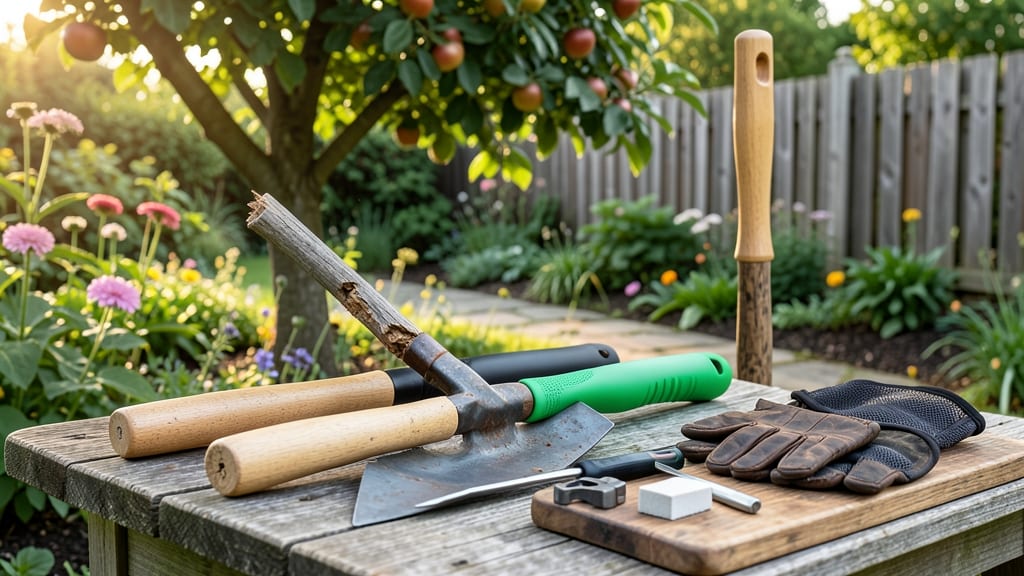
A garden hoe handle replacement can save you from tossing out a perfectly good blade—if you pick the right method and materials for your needs.
Picture this: You’re mid-weed-pull in the garden when the handle snaps under pressure. The blade is still sharp, but now you’re left holding a broken stick and a pile of weeds.
That’s where knowing how to replace a hoe handle comes in handy—whether you’re fixing a splintered wooden shaft or swapping in a sturdier metal rod.
Not all replacement handles are created equal. Wood offers classic grip and weight, while fiberglass resists rot and lasts longer in damp soil. Metal handles add strength but can get hot in the sun.
Below, I’ll walk you through three proven methods—each with tools, costs, and durability trade-offs—to help you pick the best fix for your gardening style.
You’ll also learn how to avoid common mistakes like misaligned handles or wobbly attachments, plus tips for adjusting length and securing the blade so it stays put. Let’s get your hoe back in action for years of heavy-duty digging.
3 Heavy-duty garden hoe handle replacement methods (with tools & costs)
A garden hoe is only as good as its handle—when that handle cracks, bends, or wears out, your weeding efficiency plummets. The good news? Replacing a hoe handle is simpler than you think, and with the right materials, you can restore your tool to heavy-duty performance for years.
Below, I’ll walk you through three proven replacement methods, each with unique durability benefits and cost considerations. Whether you’re working with a wooden dowel, metal rod, or composite handle, these techniques will keep your hoe sharp and reliable.
Before diving in, consider your garden’s demands. A vegetable patch with dense soil requires sturdier materials than a flower bed with loose dirt. Your choice of handle material should match the hoe’s weight and your gardening frequency.
For example, a lightweight hoe for occasional weeding can handle a wooden dowel, while a heavy-duty landscape hoe needs a reinforced metal or composite option. Let’s explore the best methods for each scenario.
| Method | Materials Needed | Tools Required | Cost Range | Durability | Best For |
|---|---|---|---|---|---|
| Wooden Dowel | Hardwood dowel (1" diameter), wood glue, sandpaper | Hacksaw, drill, clamps, screwdriver | $5–$15 | Moderate (3–5 years) | Lightweight hoes, occasional use |
| Metal Rod | 1/2" steel rod, epoxy adhesive, metal clamp | Angle grinder, wrench set, file | $10–$25 | High (5–10+ years) | Heavy-duty hoes, frequent use |
| Composite Handle | Fiberglass/aluminum composite tube, silicone sealant | Pipe cutter, epoxy, sandpaper | $15–$30 | Very High (10+ years) | All-purpose hoes, wet conditions |
The wooden dowel method is the most budget-friendly and beginner-friendly option. Hardwood like oak or ash resists splintering better than softwoods, making it ideal for light-duty hoes. You’ll need a 1-inch diameter dowel cut to your desired length (typically 24–36 inches for most gardeners).
Sand the ends smooth to prevent splinters, then secure the hoe head with wood glue and screws. This method works best for vegetable gardens or flower beds where the hoe isn’t subjected to extreme force.
For heavy-duty tasks, a metal rod handle is the gold standard. A 1/2-inch steel rod provides unmatched strength and won’t warp like wood. Start by cutting the rod to size with an angle grinder, then rough up the surface for better adhesion.
Use epoxy adhesive to bond the rod to the hoe head, followed by a metal clamp to hold everything in place while it cures. This method is perfect for landscape hoes or tools used in hard-packed soil. The trade-off?
Metal can be heavier, so ergonomics matter—opt for a D-shaped rod for a comfortable grip.
If you want the best of both worlds, a composite handle combines lightweight durability with resistance to moisture and rot. Fiberglass or aluminum composite tubes are lightweight yet 10x stronger than wood.
Cut the tube to length with a pipe cutter, then seal the ends with silicone sealant to prevent water ingress. Secure the hoe head using two-part epoxy, ensuring a flush fit for stability.
This option is ideal for wet climates or gardeners who prioritize long-term durability without the weight of metal.
When replacing your hoe handle, measure twice, cut once. Use your old handle as a template—mark the length on your new material before cutting. For wooden dowels, pre-drill holes to prevent splitting when attaching screws.
For metal or composite handles, ensure the attachment point aligns perfectly with the hoe head’s bolt holes to avoid wobble. A slightly longer handle (1–2 inches) can improve leverage for tough weeds, while a shorter handle offers better control in tight spaces.
Pro tip: If your hoe head has a rubber grip or ergonomic design, replicate it on your new handle. For wood, wrap the grip area with duct tape or rubber tubing before the glue dries. For metal or composite, consider adding a neoprene sleeve for comfort.
Test your new handle by digging into a patch of soil—if it feels unstable, reinforce the attachment with an extra epoxy layer or metal collar.
Cost is a key factor, but don’t skimp on quality if you’re investing in long-term use. A $5 wooden dowel might suffice for a seasonal gardener, but a $25 composite handle pays off if you hoe weekly for years.
Store your hoe in a dry place after use to extend its lifespan—moisture is the enemy of wood and can corrode metal over time. With the right replacement method, your garden hoe will stay sharp, sturdy, and ready for battle against weeds.
Ready to revive your hoe? Grab your tools, pick your preferred method, and get back to cultivating with confidence. Your back (and garden) will thank you for the upgrade! 🪓
How to choose the right replacement handle for your hoe’s weight and use
Selecting the perfect replacement handle for your garden hoe isn’t just about grabbing the first option you see. The material, weight, and garden use all play critical roles in how long your new handle lasts.
A heavy-duty landscape hoe needs a sturdier grip than a lightweight vegetable garden tool, and your daily weeding habits should guide your choice. Let’s break down the key factors to consider before making a purchase.
First, assess your hoe’s weight and the frequency of use. A wooden handle offers natural comfort but may splinter over time with heavy use, while fiberglass handles resist rot and are lightweight, making them ideal for frequent gardeners.
Meanwhile, metal handles provide unmatched durability but can be heavier, which might tire your arms during long sessions. Matching the handle to your tool’s weight ensures balance and control.
Wooden Handles
- Pros: Natural grip, affordable, eco-friendly
- Cons: Splinters over time, absorbs moisture
Fiberglass Handles
- Pros: Lightweight, rot-resistant, long-lasting
- Cons: Less grip, higher cost than wood
Metal Handles
- Pros: Extremely durable, rust-resistant (with coating)
- Cons: Heavy, can conduct heat/cold
Next, consider the type of garden work you’ll be doing. For vegetable gardens with loose soil, a flexible handle like fiberglass can reduce fatigue during long weeding sessions.
In contrast, landscape hoes used for heavy-duty tasks like breaking up soil or moving rocks benefit from rigid metal handles that won’t bend under pressure. If you’re working in a flower bed, a lightweight wooden handle might be perfect for precision tasks.
Don’t overlook the hoe head compatibility. Some handles have threaded ends for easy attachment, while others require epoxy or clamps for a secure fit. Always check if your hoe’s head is designed for a screw-on handle, a wedge system, or a slip-fit design.
A mismatched handle can lead to wobbling or even detachment mid-task, turning your gardening into a safety hazard. Measure your current handle’s length and diameter before shopping to ensure a perfect match.
Finally, think about ergonomics. A handle that’s too long or too short forces awkward postures, leading to strain. Aim for a handle that lets you stand upright with your arms at a 45-degree angle when using the hoe.
If you’re tall, consider an extendable handle for better reach and comfort. For frequent use, prioritize a handle with a textured grip to prevent slippage, especially if your hands get sweaty during hot summer days.
With these factors in mind, you’ll be able to pick a replacement handle that lasts for seasons—no more last-minute trips to the hardware store mid-gardening session. Happy digging! 🪓