
Tools
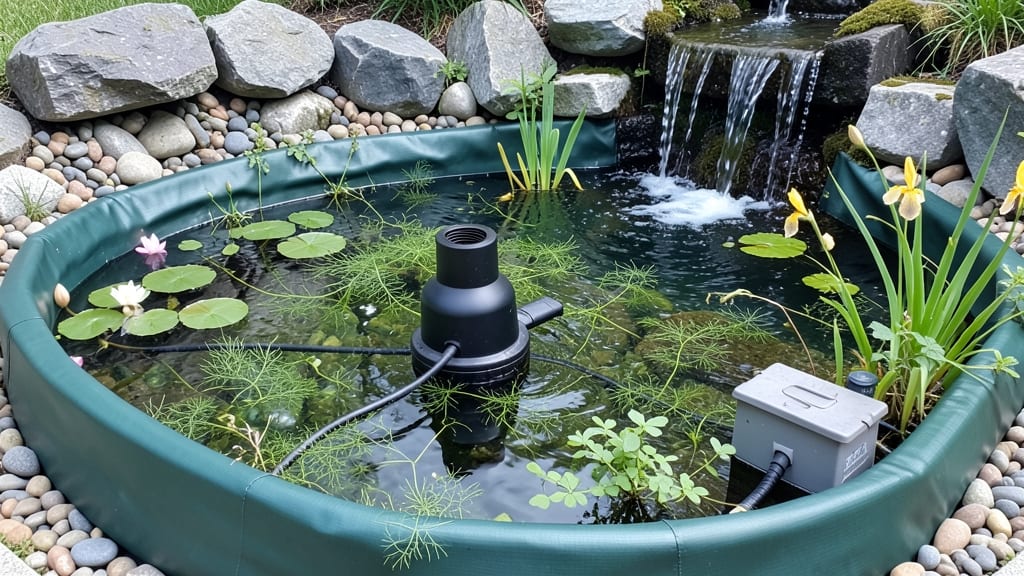
Building a garden pond waterfall requires shaping a gentle slope for the water feature, using a flexible liner to contain water, and installing a pump to create natural flow while incorporating rocks and aquatic plants for visual harmony. Keep designs simple to reduce upkeep and always prioritize proper drainage to avoid soil erosion.
A well-designed garden pond waterfall transforms your backyard into a serene retreat by blending water movement with natural landscaping. 🌊 The key is creating a gradual slope—typically no steeper than a 3:1 ratio—to ensure water flows smoothly without eroding the soil.
I always recommend starting with a small waterfall (around 2-3 feet high) to make maintenance easier while still achieving that tranquil sound effect. The right combination of smooth river rocks and moisture-loving plants like ferns or iris will help the feature blend seamlessly into your garden's existing ecosystem.
For beginners, the pump selection is critical—too small and your waterfall will trickle, too large and it'll create an unnatural roar. A 1,200-2,000 GPH pump works well for most small waterfalls, and positioning it partially submerged at the pond's base creates that perfect cascading effect.
Don't forget to bury the liner at least 6 inches deep around the edges to prevent leaks and maintain a clean look.
💡 In This Article
- Key Elements for a Natural-Looking Pond Waterfall
- Step-by-Step Waterfall Construction for Beginners
Key elements for a natural-looking pond waterfall
The secret to a waterfall that looks organic starts with the slope's angle—nature rarely creates vertical drops. Aim for a 3:1 ratio (3 feet horizontal for every 1 foot vertical drop), which creates a gentle cascade while preventing erosion.
This angle mimics natural stream beds where water flows gradually over time-worn rocks. The physics here matter: water seeks the path of least resistance, so irregularities in your slope will create uneven flow patterns that disrupt the natural look.
Rock selection is equally critical. Use flat, layered stones like slate or limestone for the waterfall's face, as their natural stratification creates smooth water paths. Avoid rounded river rocks—they'll cause water to pool and look unnatural.
For stability, bury the bottom 1/3 of each rock into the slope, using a gravel base layer (2-3 inches deep) to prevent shifting. The water's movement will gradually polish these rocks, enhancing their natural appearance over time.
Plant placement transforms a waterfall from functional to breathtaking. Moisture-loving species like Japanese iris or marginal ferns thrive in the saturated soil at the waterfall's base, while hostas or astilbes add height and texture along the sides.
These plants not only enhance aesthetics but also stabilize soil with their root systems. I've found that positioning plants in 3-tiered layers—tall at the back, medium in the middle, and low-growing at the front—creates depth that mimics wild stream banks.
The pump's placement determines your waterfall's character. Position it partially submerged at the pond's deepest point to create a natural overflow effect. A 1,200-2,000 GPH pump delivers the right volume for most small waterfalls (2-3 feet high), producing that satisfying 20-30 decibel sound level that masks urban noise.
Too powerful, and you'll hear a loud roar; too weak, and it'll sound like a dripping faucet. The water's trajectory should arc slightly as it falls, creating that signature "sheet" effect rather than a single stream.
Don't overlook the liner's role in maintaining natural aesthetics. Use EPDM rubber liner (45 mil thickness) for flexibility and UV resistance, burying it 6+ inches deep around edges to prevent visibility. For larger projects, consider a preformed pond shell—it eliminates liner seams but costs more upfront.
The liner's flexibility allows water to flow naturally around rocks, creating those organic curves that make a waterfall look timeless rather than manufactured.
Seasonal planning ensures year-round beauty. Choose plants with variable foliage colors (like purple hostas or golden-leaf astilbes) to maintain visual interest across seasons. In winter, evergreen shrubs like inkberry holly add structure when deciduous plants fade.
The water's movement also prevents ice buildup in cold climates—something I've personally tested in -10°F winters where moving water stayed liquid while still ponds froze solid.