
Pests
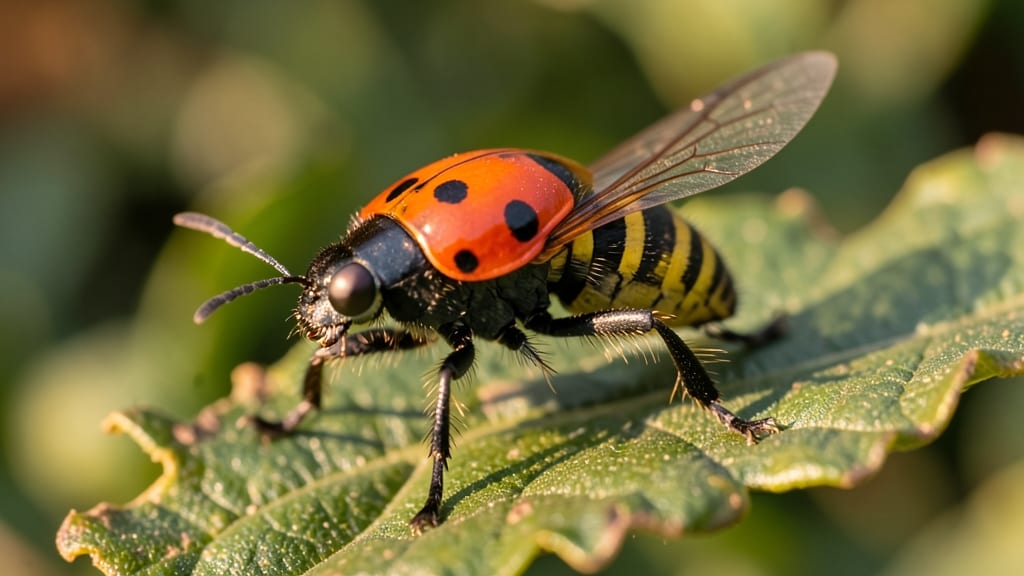
Mastering insects in garden identification is the first step to protecting your plants—or even letting nature handle the work for you.
Spotting an insect in your garden doesn’t always mean disaster—some are harmless (or even helpful!), while others can devastate your plants. Knowing how to identify them fast saves your harvest and your sanity.
From tiny aphids to buzzing bees, each creature plays a role in your garden’s ecosystem. Some chew leaves, while others pollinate flowers or hunt pests. The key is learning their habits and damage patterns so you can act—if you need to at all.
In this guide, I’ll break down the most common garden insects, how to spot them, and what to do next—whether that’s welcoming them or kicking them out for good.
How to identify common garden insects by appearance & damage signs
Identifying insects in your garden starts with understanding their physical traits and the damage patterns they leave behind. A quick glance at an insect’s body shape, coloration, or wing structure can reveal whether it’s a beneficial ally or a plant-devouring pest.
For example, a round, yellow ladybug is your friend, while a green, sap-sucking aphid is not.
Don’t rely on appearance alone—plant damage signs like chewed leaves, holes, or sticky residue (honeydew) are critical clues. Japanese beetles, for instance, leave irregular notches on rose petals, while caterpillars skeletonize leaves by eating between the veins.
Mastering these visual cues lets you act fast—whether that means inviting predators or removing pests manually.
| Insect | Appearance | Damage Signs | Type |
|---|---|---|---|
| Aphids | Soft-bodied, green/black, pear-shaped, no wings (or tiny wings) | Sticky honeydew, curled leaves, yellowing plants | Pest |
| Ladybugs | Round, red/orange with black spots, short antennae | None (they eat aphids) | Beneficial |
| Japanese Beetles | Green head, copper wings, 5-toed feet | Notched rose petals, skeletonized leaves | Pest |
| Caterpillars | Worm-like, hairy/smooth, varied colors | Large holes in leaves, frass (droppings) | Pest |
| Lacewings | Delicate wings, green/yellow, long antennae | None (they eat mites and aphids) | Beneficial |
Start with aphids, tiny green or black insects clustered on new growth. They leave behind sticky honeydew and ant trails—a dead giveaway. Use a magnifying glass to spot their pear-shaped bodies and long legs.
If you see yellowing leaves or black sooty mold (fungus fed by honeydew), you’ve got an infestation on your hands.
Next, watch for Japanese beetles during summer. These metallic green-and-gold bugs chew notches into rose petals and skeletonize leaves (eating everything but the veins). Their five-toed feet help them grip plants, making them hard to dislodge. Handpick them into soapy water or use floating row covers to block them.
Caterpillars are another common culprit, often hiding under leaves or silking corn ears. Look for frass (droppings) and large irregular holes. Some, like tomato hornworms, grow up to 4 inches long and can defoliate plants in days. Introduce parasitic wasps (like braconid wasps) to control them naturally.
On the flip side, ladybugs and lacewings are your garden’s superheroes. Ladybugs have round, spotted backs and devour hundreds of aphids in their lifetime. Lacewings, with their lace-like wings, prey on mites and soft-bodied insects. Leave them alone—they’re free pest control!
For beetles, focus on their wing covers (elytra). Ground beetles (shiny, black) eat slugs, while fireflies (glowing at night) are harmless. Colorado potato beetles, however, are pests with yellow-and-black striped larvae that chew leaves into lace-like patterns.
Use a field guide or app (like iNaturalist) to cross-reference your findings. Snap a photo of the insect and its
Natural pest control methods for each insect type (chemical-free solutions)
Once you’ve identified the unwanted insects in your garden, the next step is choosing the right natural remedy. Different pests respond to different treatments—softer-bodied insects like aphids need one approach, while chewing pests like caterpillars require another.
The key is acting fast with targeted, eco-friendly solutions that won’t harm your plants or pollinators.
My go-to methods include neem oil for sap-sucking insects, diatomaceous earth for crawling pests, and companion planting to deter invaders before they arrive. These solutions are safe for humans and pets when applied correctly, making them ideal for organic gardens. Let’s break down the best options for common pests.
Natural Pest Control Methods
| Insect Type | Best Natural Solution | Pros | Cons |
|---|---|---|---|
| Aphids | Neem oil spray | Kills eggs & adults; safe for plants | Must reapply after rain |
| Caterpillars | Bacillus thuringiensis (Bt) | Targeted; harmless to humans | Loses effectiveness in sunlight |
| Japanese beetles | Kaolin clay | Creates protective barrier | Can look messy on plants |
| Ants | Diatomaceous earth | Non-toxic; lasts months | Must stay dry to work |
| Slugs & snails | Copper tape barrier | Long-lasting; no chemicals | Requires physical installation |
Always test solutions on a small plant area first.
For soft-bodied pests like aphids and mites, I swear by neem oil. It disrupts their life cycle by smothering eggs and adults while being gentle on plants. Mix 1 teaspoon of neem oil with 1 quart of water and a drop of dish soap as an emulsifier.
Spray directly on infested areas in the early morning to avoid harming bees. Reapply every 5-7 days or after rain.
When dealing with chewing insects, such as caterpillars or Japanese beetles, Bacillus thuringiensis (Bt) is a game-changer. This natural bacteria targets the gut of larvae, killing them within hours. It’s completely safe for humans and pets but must be reapplied after heavy rain.
For adult beetles, I’ve had success with kaolin clay, a mineral that coats their bodies and blocks sunlight, causing dehydration.
Crawling pests like ants and earwigs are easier to manage with diatomaceous earth, a fine powder made from fossilized algae. Sprinkle it around plant bases, the edge of containers, or along garden paths. It works by creating microscopic cuts in their exoskeletons, leading to dehydration. Just remember to reapply after watering since it loses effectiveness when wet.
Prevention is always better than treatment, which is why I rely on companion planting to deter pests naturally. For example, marigolds repel nematodes and aphids, while basil keeps flies and mosquitoes away.
Planting garlic and onions near roses deters Japanese beetles, and nasturtiums act as a trap crop for aphids. These strategies reduce the need for interventions while boosting your garden’s biodiversity.
If you’re dealing with slugs and snails, physical barriers like copper tape or crushed eggshells are my top picks. The copper creates a mild electric shock when they touch it, while eggshells create a jagged surface they avoid.
For a homemade trap, bury a shallow container filled with beer—slugs will crawl in and drown. Check traps daily and dispose of them far from your garden.
Finally, always monitor your garden after applying any treatment. Rotate methods seasonally to prevent pests from building resistance. And remember, some insects are beneficial—like ladybugs and lacewings—so avoid overusing broad-spectrum sprays. With these targeted approaches, you’ll keep your garden thriving without harsh chemicals. 🌱