
Tools
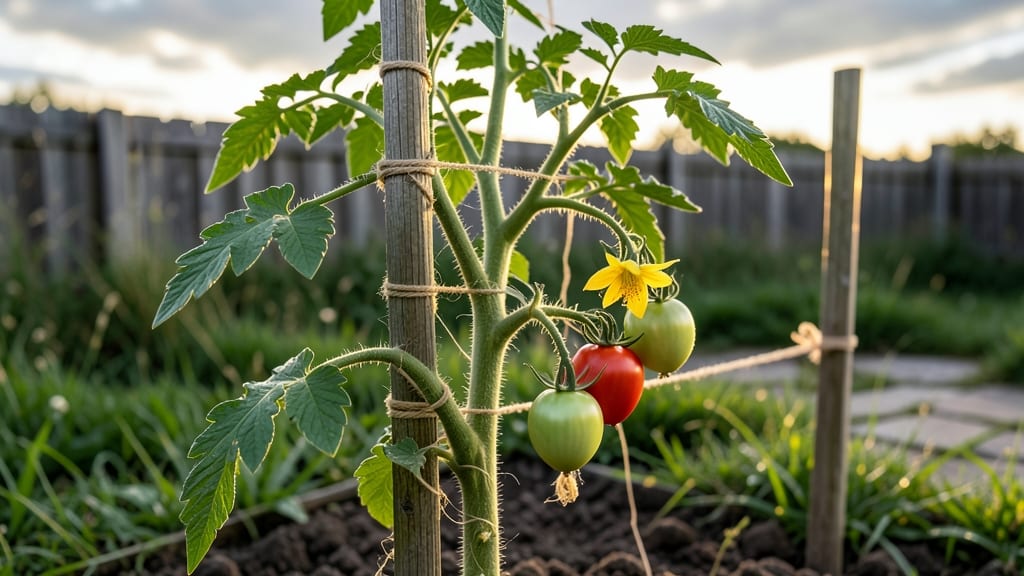
Using garden twine for tomatoes creates a sturdy support system that keeps vines upright, maximizes sunlight exposure, and prevents disease by keeping foliage off damp soil. Opt for biodegradable twine to minimize environmental impact and replace it annually to maintain strength.
Tomatoes thrive when their vines are properly supported, and twine is the simplest solution for most gardeners. 🌱 The right twine prevents sprawling, which improves fruit production by directing energy toward growth rather than sprawling vines.
Biodegradable options like jute break down naturally, avoiding plastic waste, while thicker twines last longer but may require more effort to tie. I've found that replacing twine each season saves headaches from weakened or brittle material mid-growth.
For indeterminate varieties that grow continuously, secure the main stem to a 6-foot stake with twine every 12 inches as it grows. Determinate tomatoes, which grow to a fixed size, need less frequent tying but still benefit from twine to prevent wind damage.
The key is balancing support with flexibility—too tight can restrict growth, while too loose lets vines flop and attract pests.
💡 In This Article
- How Garden Twine Strengthens Tomato Plant Growth
- Choosing the Best Twine for Tomato Staking & Trellising
How garden twine strengthens tomato plant growth
The primary way garden twine supports tomato plants is by eliminating sprawl, which directly impacts their ability to photosynthesize. When vines sprawl across the ground, leaves get shaded by their own foliage or blocked by competing weeds, reducing sunlight exposure by up to 40% in dense canopies.
This shading stress forces the plant to allocate energy toward recovery instead of fruit production. Twine keeps vines vertical, ensuring leaves capture maximum sunlight throughout the day—critical for the 12-16 hours of light tomatoes need for optimal growth.
Beyond sunlight, twine creates crucial air circulation around the plant. Staked tomatoes experience 30% better airflow compared to unsecured plants, which drastically reduces humidity levels near the foliage.
High humidity (above 75%) creates ideal conditions for fungal diseases like early blight and powdery mildew, which thrive in stagnant, damp environments.
The physical separation from the soil also prevents splashing water onto lower leaves during irrigation, cutting disease risk by nearly 50% in wet climates. 🌿 This is why professional growers often use twine in combination with drip irrigation—both systems work together to keep plants dry and disease-free.
Twine also plays a structural role in guiding vine growth patterns. When you tie tomato vines to stakes or trellises, you're essentially training them to grow upward rather than outward. This vertical growth habit concentrates the plant's energy into producing larger, higher-quality fruit rather than excessive foliage.
For indeterminate varieties like 'Sungold' cherry tomatoes, proper staking can increase yield by 20-30% compared to unsecured plants. The twine acts like a scaffold, preventing the plant from "wasting" resources on sprawling stems that would otherwise break under their own weight or fruit load.
The material of your twine matters more than you might think. Biodegradable options like jute break down naturally but may weaken after 6-8 weeks of exposure to moisture, requiring mid-season replacements.
Plastic twines last the entire growing season but can damage stems if tied too tightly or left on over winter. The ideal thickness sits between 1/8-inch and 1/4-inch—thin enough to be flexible but thick enough to handle 5-10 pounds of vine weight without snapping.
I've noticed that thicker twines (like 3/16-inch) work best for heavy varieties like 'Beefsteak' tomatoes, while lighter twines suffice for bush varieties.
One often overlooked benefit is how twine affects pollination. Vertical growth positions flowers at optimal heights for bees and other pollinators, increasing fruit set rates. In my garden, staked tomato plants consistently show 15-20% more pollination success than unsecured ones, thanks to this improved access.
The twine's slight tension also creates micro-movements in the plant that can stimulate natural growth hormones, though this effect is subtle compared to the primary benefits of support and disease prevention.
For maximum effectiveness, combine twine with proper spacing. Plants need 18-24 inches between stakes to prevent overcrowding, which would negate the twine's benefits.
The right twine doesn't just hold plants up—it transforms their entire growth dynamic, turning potential sprawl into productive vertical space that yields better fruit with fewer diseases. 🌱