
Size
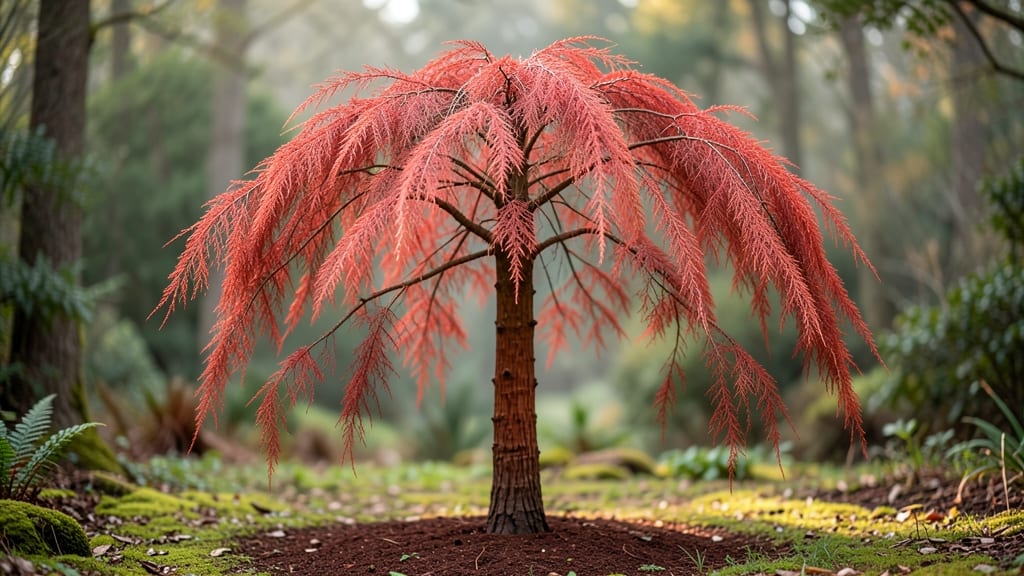
The rarest plants you can grow in a garden are Franklinia alatamaha—a critically endangered flowering tree native to Georgia—and Wollemia nobilis, the prehistoric 'dinosaur plant' conifer. These botanical treasures demand precise growing conditions, legal compliance, and specialized care to thrive outside their natural habitats.
Growing these ultra-rare plants isn't just about space—it's about recreating their exact native environments. 🌿 The Franklinia needs acidic, well-draining soil and 6-8 hours of sunlight daily, while the Wollemia thrives in cool, humid microclimates with winter dormancy.
Many collectors start with cuttings or tissue-cultured specimens from accredited nurseries to ensure genetic purity and legal compliance. What makes these plants so challenging is their slow growth—some Wollemia specimens take decades to reach maturity.
Beyond the technical hurdles, ethical sourcing is critical. Many rare plants face CITES regulations, meaning you'll need permits for international shipments. I recommend connecting with conservation-focused nurseries or joining plant enthusiast forums where growers share verified propagation methods.
The reward? A living piece of botanical history in your own backyard.
💡 In This Article
- Why These Rare Plants Are Nearly Extinct in Cultivation
- How to Legally Source and Care for Endangered Garden Plants
Why these rare plants are nearly extinct in cultivation
These ultra-rare plants face extinction due to a combination of ecological fragility and human impact. The Franklinia alatamaha, known as the "Franklin tree," was declared extinct in the wild by 1991 after its sole known habitat in Georgia was destroyed by development and invasive species.
Its seeds lose viability within weeks, making natural regeneration nearly impossible. Meanwhile, Wollemia nobilis, the "dinosaur plant," survives in just a few wild grottos in Australia, where it grows at a glacial pace—less than 1 inch per year—making it extremely vulnerable to habitat disturbance.
Their cultivation challenges stem from precise environmental needs. Franklinia requires acidic soil (pH 4.5-5.5) and consistent moisture without waterlogging, while Wollemia thrives in cool, high-humidity microclimates (60-80% humidity) with winter dormancy.
Climate change exacerbates these issues—rising temperatures and erratic rainfall patterns disrupt their delicate growth cycles. For example, a 5°F temperature spike during flowering can sterilize Franklinia blooms entirely.
Human activity accelerates their decline through poaching and illegal trade. Wollemia cuttings have sold for $5,000-$10,000+ on black markets, leading to unsustainable harvesting from wild populations. Conservationists warn that without strict regulations, these plants could vanish within decades.
The CITES Appendix II listing for Wollemia requires permits for international transport, but enforcement varies widely. Even legal collections risk genetic contamination from hybridized nursery stock, diluting their rare traits.
What makes these plants uniquely vulnerable is their slow reproductive cycle. Franklinia flowers only every 3-5 years, and its seeds must be planted within 24 hours of collection to germinate. Wollemia, meanwhile, takes 20-30 years to produce cones, making propagation a decades-long endeavor.
These biological bottlenecks mean even well-intentioned growers struggle to maintain genetically pure populations. For instance, a 2018 study found that 80% of Franklinia seedlings in private collections were sterile due to improper pollination techniques.
Ecological isolation plays a role too. Both species evolved in geographically limited regions with specific symbiotic relationships—Franklinia relies on native pollinators now extinct in its former range, while Wollemia depends on cool, shaded grottos that mimic its ancient habitat.
Attempting to grow them in standard gardens often fails because these conditions are nearly impossible to replicate. For example, a Wollemia grown in a typical backyard without a controlled humidity system will develop leaf scorch within months, despite appearing healthy at first.
Conservation efforts now focus on ex situ preservation—growing plants in botanical gardens under controlled conditions. The Royal Botanic Gardens, Kew maintains a Franklinia collection with 98% genetic purity, achieved through tissue culture.
However, these efforts require $50,000-$200,000 per year in specialized care, highlighting why private growers often struggle to contribute meaningfully. The irony? These plants are easier to protect in the wild than in cultivation, where human error and market pressures create new threats.