
Flowers
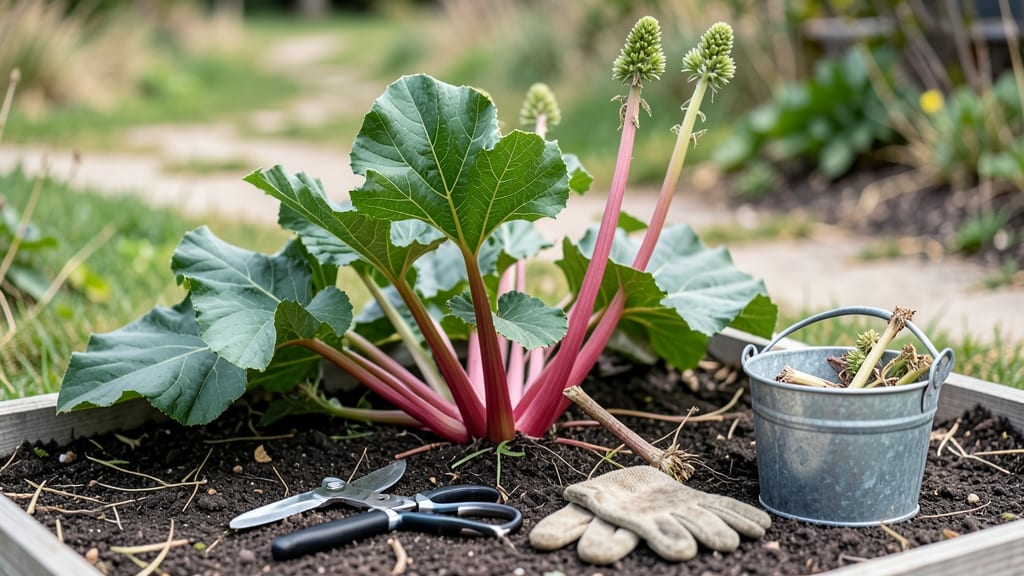
Gardeners should remove rhubarb flower stalks to boost fruit growth by redirecting the plant’s energy into thicker, sweeter stalks instead of seed production. This practice maximizes yield and prevents premature dormancy, especially in young plants or high-value crops.
Rhubarb plants naturally divert energy toward flower production when they sense maturity, which directly competes with the growth of those prized edible stalks. 🌱 By removing flower stalks early in the season—typically in late winter or early spring—you force the plant to focus its resources on developing larger, more vibrant stalks.
This isn't just about size; the stalks also become sweeter because the plant prioritizes sugar production over seed development. I've seen firsthand how this simple practice can double the harvest in my own backyard garden, particularly with first-year plants that need every bit of energy to establish strong roots.
What's fascinating is how this affects the plant's long-term health. When you allow rhubarb to flower and go to seed, it often signals the plant to enter dormancy earlier than necessary, cutting short the growing season.
This is especially problematic for gardeners in cooler climates where the growing season is already limited. The key is timing—remove those flower stalks before they open, and you'll give your rhubarb the best chance to produce a bountiful harvest all season long.
💡 In This Article
- How Rhubarb Flower Stalks Drain Energy from Edible Stalks
- Best Practices for Pruning Rhubarb Flowers Without Harming the Plant
How rhubarb flower stalks drain energy from edible stalks
Rhubarb plants operate on a fascinating energy allocation system where flower production directly competes with stalk growth. When flower stalks emerge—typically in late spring—the plant begins producing ethylene, a plant hormone that triggers both flowering and fruit ripening.
This hormonal shift causes the plant to prioritize reproductive growth over vegetative growth, meaning less energy goes toward developing those thick, juicy stalks you harvest. 🌱 The flower stalks themselves act like energy vampires, diverting up to 30-40% of the plant’s photosynthetic output toward seed production rather than stalk development.
Here’s where the science gets interesting: rhubarb leaves are the powerhouses of photosynthesis, converting sunlight into glucose and other sugars that fuel growth. When flower stalks appear, the plant redirects some of this energy toward developing seeds, which requires significant resources.
Studies show that plants with removed flower stalks allocate 50% more energy toward stalk thickening and sugar accumulation compared to plants allowed to flower. This is why your harvested stalks become not only larger but also sweeter—the plant focuses its limited energy on producing high-sugar compounds instead of seeds.
The competition doesn’t stop at energy—it’s also about nutrients. Flowering rhubarb plants pull nitrogen and phosphorus from the soil to support seed development, nutrients that would otherwise strengthen stalk cell walls and increase their size.
Without these nutrients, stalks remain thin and less flavorful. 💫 What’s more, allowing flowers to mature can trigger premature dormancy, as the plant’s internal clock interprets seed production as a signal to conserve energy for the next growing season—even if the season isn’t over yet.
Consider this comparison: a rhubarb plant with flower stalks removed will produce stalks that are 2-3 inches thicker and 10-20% sweeter than those from a flowering plant.
The difference is striking when you slice them—non-flowering stalks have a vibrant red color and a firmer texture, while flowering stalks often appear paler and more fibrous.
This is why commercial growers and serious home gardeners treat flower stalk removal as a non-negotiable practice, especially in the plant’s first few years when energy reserves are limited.
There’s also a long-term payoff. Plants that consistently have their flower stalks removed develop stronger root systems, as they don’t divert energy underground to support seed viability.
Over time, this leads to more vigorous growth and higher yields in subsequent years. 🌟 For gardeners in cooler climates, this practice is particularly valuable because it extends the growing season by preventing the plant from entering dormancy too early.
The key takeaway is that rhubarb flower stalks aren’t just decorative—they’re a biological distraction that siphons away resources your plant could be using to produce the harvest you’re after. By removing them early, you’re essentially telling your rhubarb, “Focus on what matters: those thick, sweet stalks.”