
Planting
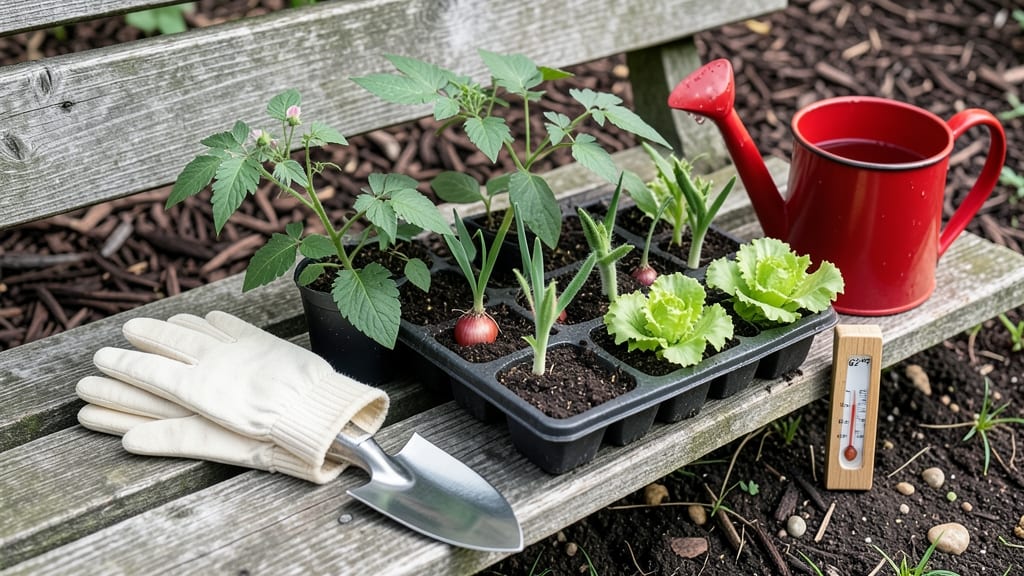
Planting your spring garden in Texas at the right time means the difference between a bumper crop and a sad, frost-nipped failure.
Texas gardeners know timing is everything—plant too early and risk frost damage, too late and miss peak harvests. Mastering your region’s frost-free dates unlocks a thriving spring garden, but Texas’ diverse climate demands precision.
From the chilly Panhandle to the balmy Gulf Coast, the perfect planting window shifts dramatically. In North Texas, wait until mid-March for most cool-season crops, while South Texas gardeners can start as early as February. The key? Knowing your last frost date and adjusting for microclimates.
Here’s how to nail your spring planting schedule by region, plus the fastest-growing vegetables to prioritize once the frost risk fades for good.
Texas spring planting calendar by region: frost-free dates for perfect timing
Texas gardeners know timing is everything—plant too early and risk frost damage, too late and miss peak harvests. Mastering your region’s frost-free dates unlocks a thriving spring garden, but Texas’ diverse climate demands precision.
From the chilly North Texas plains to the balmy Gulf Coast, each region has its own rhythm for planting vegetables, flowers, and herbs. Let’s break down the ideal planting windows so you can start strong.
Your first step is identifying your USDA Hardiness Zone, which ranges from Zone 6b in the Panhandle to Zone 10a along the Gulf Coast. These zones help refine your planting schedule, but frost-free dates are your true guide.
For example, North Texas (Zones 7b-8a) typically sees its last frost around March 15, while the Gulf Coast (Zone 9a-10a) rarely experiences frost at all.
Below is a detailed comparison of Texas regions, their average last frost dates, and the best times to plant cool-season and warm-season crops. Use this as your roadmap to avoid frost damage while maximizing your garden’s potential.
| Region | USDA Zone | Avg. Last Frost | Cool-Season Planting Window | Warm-Season Planting Window | Key Crops to Start |
|---|---|---|---|---|---|
| North Texas | 7b-8a | March 15 | Feb 1 - March 15 | April 1 - May 15 | Lettuce, Peas, Broccoli, Tomatoes, Peppers |
| Central Texas | 8a-8b | March 1 | Jan 15 - March 1 | March 15 - April 30 | Spinach, Kale, Okra, Eggplant, Basil |
| Hill Country | 8a-8b | February 28 | Jan 1 - Feb 28 | March 15 - April 15 | Cabbage, Radishes, Green Beans, Cucumbers, Squash |
| Gulf Coast | 9a-10a | None (rare frost) | Year-round (cool crops) | February - April | Carrots, Onions, Sweet Potatoes, Peppers, Herbs |
| Panhandle | 6b-7a | March 30 | March 1 - March 30 | May 1 - June 1 | Potatoes, Beets, Corn, Tomatoes, Okra |
For North Texas gardeners, the window between March 15 and April 15 is critical. Plant cool-season crops like lettuce and peas as early as February, but hold off on warm-season crops like tomatoes until after the last frost. Use row covers to protect tender seedlings if late frosts threaten.
In Central Texas and the Hill Country, you can start planting cool-season crops as early as January, but focus on warm-season crops like okra and peppers after March 15. These regions benefit from Texas’ longer growing season, allowing for multiple harvests if you plan succession plantings.
The Gulf Coast offers the most flexibility, with year-round planting possible for many crops. However, even here, timing matters—plant warm-season crops in early spring to avoid the intense summer heat. Consider shade cloth for delicate plants like lettuce during peak summer months.
If you’re in the Panhandle, late frosts are a real concern. Wait until May 1 to plant warm-season crops like corn and okra, and always have
10 Fast-growing spring vegetables to plant after last frost in Texas (with exact days to maturity)
Once Texas’ last frost date passes—typically between March 15 (North Texas) and February 15 (South Texas)—it’s time to plant heat-tolerant spring vegetables that thrive in our long growing season.
These fast-maturing crops deliver quick harvests before summer’s peak heat arrives, making them perfect for Texas gardeners eager to eat fresh from their plots.
I’ve selected 10 vegetables that germinate quickly, tolerate our high temperatures, and mature in 60 days or less. Each variety includes exact days to maturity and Texas-specific pro tips to maximize your garden’s potential.
Whether you’re in Dallas, Houston, or San Antonio, these crops will reward you with bountiful harvests before summer’s intensity sets in.
🌱 Pro Tip: Always test your soil’s pH (6.0-7.0 ideal) and amend with compost before planting. Texas clay soils benefit from organic matter to improve drainage and fertility.