
Planting
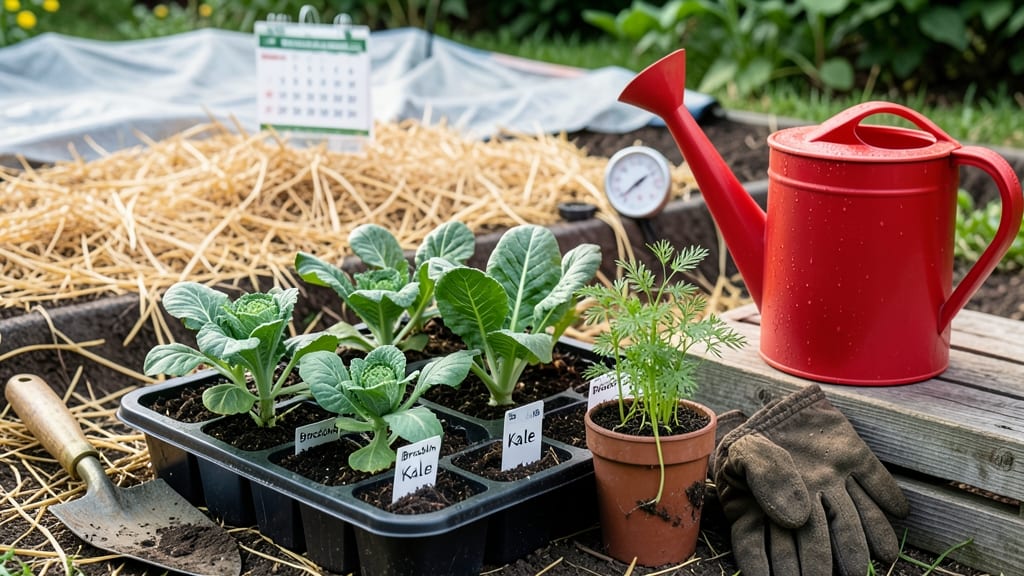
Planting a fall garden in Texas means starting between mid-August and early October—but the exact timing depends on your zone, the crop, and how long you want to harvest before frost.
Texas gardeners know the fall season can yield some of the most bountiful harvests—but timing is everything. Plant too early, and your 🥬 fall vegetables face scorching heat; too late, and frost ruins your efforts.
Here’s how to pinpoint the perfect planting windows for a thriving garden, tailored to Texas’ unique climate zones.
In zones 8a-10b, the key is working backward from your first frost date—usually late November in North Texas or December in the Gulf Coast. That means starting heat-tolerant crops like okra and sweet potatoes by late July, while cooler-loving greens like kale and spinach wait until early September.
Below, I break down the exact planting schedule by zone, the best crops for each window, and pro tips to stretch your harvest well past the first frost—so you can enjoy fresh produce straight from your Texas garden all the way into winter.
Texas fall planting calendar by Zone: exact dates for zero-frost risk crops
Texas’ diverse climate zones create unique challenges—and opportunities—for fall gardening. Unlike northern states, Texas gardeners must balance scorching summer heat with early frost risks, especially in higher elevations.
The key is planting heat-tolerant crops early enough to mature before temperatures drop, while avoiding the late-summer heat spike that can stress seedlings. For example, sweet potatoes and okra thrive in Texas’ long, warm falls, while leafy greens like kale and spinach need cooler temps to avoid bolting.
Your planting success hinges on USDA Zone and last frost dates. North Texas (Zone 8) typically sees frost by mid-November, while the Gulf Coast (Zone 10) may escape frost entirely.
Central Texas (Zone 8-9) offers a longer growing window, but even there, black freeze warnings can strike by December.
Use this calendar to align your plantings with local microclimates, succession intervals, and harvest timelines—because a crop planted just 10 days too late might not reach maturity before frost.
Below, I’ve broken down exact planting windows for Texas’ four key regions, including first planting dates, succession intervals, and last harvest deadlines. These dates assume well-prepared soil (amended with compost) and consistent watering—critical for fall crops in Texas’ often-dry climate.
Pro tip: Mulch heavily to retain moisture and moderate soil temps, especially for cool-season crops like broccoli and carrots.
🌱
For High Plains gardeners (Zone 7-8), where frosts arrive earliest, focus on fast-maturing crops like radishes (30 days) and turnips (50 days). Start okra and sweet potatoes by mid-August—these heat-lovers need 60–90 days to mature before temps drop.
In North Texas (Zone 8), you can push the envelope with tomatoes and peppers planted by August 1, but use row covers to extend harvests into December. Central Texas (Zone 8-9) offers the most flexibility: broccoli and cabbage planted in late July can yield into January with proper care.
The Gulf Coast (Zone 9-10) is the goldmine for fall gardeners—no frost risk means you can plant black-eyed peas and cabbage as late as October and harvest well into winter. However, even here, heat stress can be an issue if you plant too late.
For instance, cilantro bolts quickly in 90°F+ temps, so succession plant it every 3 weeks starting in July for continuous harvests. Pro move: Shade cloth (30–50%) can protect heat-sensitive crops like
Best fall crops for Texas gardens: heat-tolerant varieties that thrive before frost
Texas fall gardens shine when you pick the right heat-tolerant crops that handle late-summer heat while still producing before first frost. The key is choosing varieties that mature quickly—think 60-90 days—so they avoid both scorching and freezing.
My top picks balance fast growth with frost resilience, ensuring a steady harvest from October through December.
For Texas gardeners, collard greens and kale are non-negotiable—they sweeten in cool weather and tolerate light frosts. Pair them with carrots and beets, which thrive in 60°F soil and store well.
Don’t overlook turnips and radishes; they mature in just 30-40 days, perfect for quick harvests before temperatures drop.
Herbs like cilantro and dill also excel in fall, bolting less in cooler weather. For flowers, marigolds and cosmos add color while deterring pests—ideal for pollinator-friendly gardens. Below, find my curated list of top-performing crops, complete with planting depth and spacing to maximize your Texas fall harvest.
When planting, aim for mid-August to early September in North Texas (Zone 8) and early September to mid-October in South Texas (Zone 10). For fastest results, start seeds indoors 4-6 weeks before transplanting. Use well-draining soil mixed with compost to help roots establish quickly—critical for heat-stressed seedlings.
Pro tip: Mulch with straw or grass clippings to retain moisture and regulate soil temperature. This is especially important in West Texas, where daytime highs can still hit 95°F in September. Water deeply in the morning to prevent fungal issues, and avoid overhead watering once crops mature.
With these heat-tolerant varieties, you’ll enjoy fresh harvests long after summer’s over—no frost damage in sight! 🌱