
Pruning
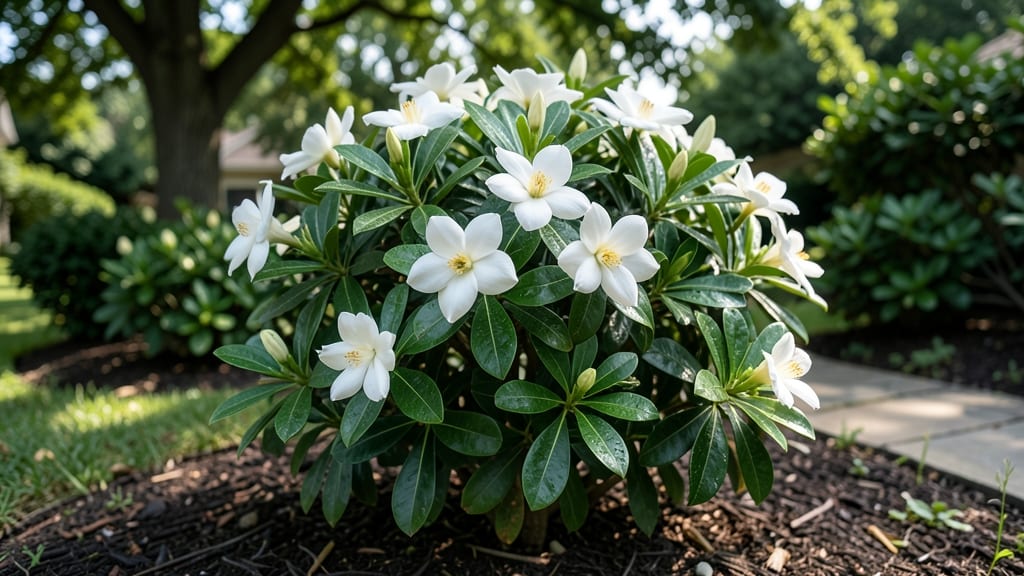
A gardenia bush can grow to 4 to 6 feet tall 🌸 if left unchecked, but with the right pruning, you can easily keep it at a more manageable height.
Struggling to keep your gardenia bush from towering over your patio or garden? Discover how to master natural pruning techniques to control its height while keeping it lush and blooming beautifully.
This elegant shrub thrives in USDA Zone 6a, where spring planting sets the stage for years of fragrant blooms—but without pruning, it can quickly outgrow its space.
Inside, you’ll find the exact timing for pruning, tools to use, and how to encourage compact growth without sacrificing those iconic white flowers.

Natural factors that determine gardenia bush height and how to manage them
If you've ever watched your gardenia bush stretch toward the sky like a sleepy giant, you're not alone. These fragrant beauties have natural growth patterns that can feel unpredictable, but understanding the key factors gives you control.
The height of a gardenia bush isn't random—it's shaped by genetics, sunlight, soil, and even the seasons. Let's break down how each of these elements influences your plant's growth and what you can do to guide it.
First, let's talk genetics. Gardenias come in different varieties, and some are naturally taller than others. A standard gardenia can reach 4-6 feet, while dwarf varieties stay between 2-3 feet.
If you're starting with a cutting or seedling, its potential height is already set in stone—though pruning can help manage it. Even if you love the look of a towering gardenia, most gardeners prefer a more manageable size for patios or containers.
Sunlight exposure plays a huge role in how fast and tall your gardenia grows. Too much direct sun can stress the plant, causing it to grow taller and leggier as it stretches for shade. On the other hand, too little light slows growth entirely. The sweet spot? partial shade with morning sun. This balance keeps your gardenia bush compact and bushy, encouraging dense foliage and more blooms. If your plant starts reaching for the sky, it might be craving more light—or it could be overcrowded.
Now, let's dig into the soil conditions. Gardenias thrive in acidic, well-draining soil with a pH between 5.0-6.5. Poor soil quality—like heavy clay or alkaline soil—can stunt growth or cause the plant to grow erratically.
If your gardenia isn't getting the nutrients it needs, it might focus all its energy on reaching for better soil conditions, resulting in a taller, less bushy shape. Amending your soil with peat moss or compost can make a world of difference in keeping your plant healthy and compact.
Seasonal changes also impact how tall your gardenia grows. In spring and summer, gardenias experience rapid growth spurts, especially when combined with warm temperatures and adequate water. If you notice your plant shooting up quickly during these seasons, it's likely responding to ideal growing conditions.
To manage this, you can prune in early spring before new growth begins, which helps control height while encouraging a fuller shape.
Here’s a quick summary of how these natural factors interact to determine your gardenia’s height:
| Factor | Impact on Height | How to Manage |
|---|---|---|
| Genetics | Determines max height (2-6 ft) | Choose dwarf varieties or prune standard types |
| Sunlight | Too much sun = leggy growth | Provide morning sun + afternoon shade |
| Soil Conditions | Poor soil = stunted or erratic growth | Amend with acidic compost or peat moss |
| Seasonal Growth | Spring/summer = rapid height increase | Prune in early spring to control growth |
| Watering | Over/under-watering = weak growth | Deep water 2-3x/week (adjust for heat) |
One factor that often gets overlooked is watering practices. Gardenias love moisture but hate soggy roots. Overwatering can lead to weak, leggy growth as the plant struggles to support itself, while underwatering can stunt its development entirely.
Aim for a deep watering schedule—about 1-2 liters every 3-5 days—and always water in the morning to reduce evaporation. This consistency helps your gardenia grow strong and sturdy rather than reaching for water.
If your gardenia is already too tall, don’t panic. You can still manage its height with strategic pruning. The key is to prune just above a leaf node or bud, which encourages branching and a fuller shape.
Avoid cutting into old wood, as gardenias are less likely to regrow from there. For best results, prune in late winter or early spring before new growth begins. This gives your plant time to recover and bloom beautifully throughout the season.
Another tip is to fertilize correctly. Gardenias respond well to a balanced, slow-release fertilizer with equal parts nitrogen, phosphorus, and potassium (like a 10-10-10 blend).
Too much nitrogen can lead to leafy growth at the expense of flowers, while too little can weaken the plant, making it grow slowly or unevenly. Feed your gardenia every 4-6 weeks during the growing season, but reduce feeding in fall to prepare it for winter dormancy.
Finally, consider the container size if you're growing your gardenia in a pot. Root-bound plants often grow taller and leggier as they stretch for space. Choose a container that’s at least 12-18 inches wide and deep enough to accommodate the plant’s root system.
If you notice roots circling the pot, it’s time to repot or prune the roots to encourage healthier, more controlled growth.
By paying attention to these natural factors, you can guide your gardenia bush to reach the perfect height for your space—whether that’s a compact 2-foot bush for a patio or a taller 6-foot specimen for a garden backdrop.
The key is balance: give your plant what it needs to thrive, and it will reward you with lush foliage and intoxicating blooms all season long. 🌸
Step-by-step pruning guide to control gardenia bush height without harming blooms
Pruning your gardenia bush is the key to maintaining its ideal height of 3-4 feet while preserving those fragrant blooms. Unlike aggressive pruning that can shock the plant, gardenias respond best to gentle, strategic cuts made at the right time.
The goal is to shape the bush without removing too many flower buds, which form on new wood during the growing season.
Before grabbing your shears, gather your tools: sterilized pruning shears, sharp bypass pruners, rubbing alcohol (for sterilizing), and gardening gloves. Sterilizing your tools prevents disease transmission between cuts.
Work on a dry, sunny morning when the plant is actively growing—typically in late winter or early spring—just as new growth begins to emerge.
🌿 Step-by-Step Pruning Guide for Gardenia Bushes
-
Step 1: Identify the Target Height
Mark your desired height with a string line (e.g., 3-4 feet). Avoid cutting below 1 foot from the ground to preserve the plant’s structure. -
Step 2: Remove Dead or Weak Growth
Start by cutting out dead, diseased, or crossing branches at the base. This improves airflow and reduces stress on the plant. -
Step 3: Thin Out Overcrowded Branches
Selectively remove 1/3 of the oldest stems to encourage new growth. Focus on branches growing inward or upward to open the bush’s center. -
Step 4: Shape the Bush
Cut back overly long branches to your marked height, making cuts at a 45-degree angle just above a leaf node or bud. Never leave stubs. -
Step 5: Sterilize Tools Between Cuts
Wipe blades with rubbing alcohol after each cut to prevent bacterial or fungal spread, especially if pruning multiple plants. -
Step 6: Post-Pruning Care
Water the plant deeply and apply a balanced fertilizer (10-10-10) to support regrowth. Mulch around the base to retain moisture.
When pruning, always cut just above a leaf node or outward-facing bud to encourage growth in the desired direction. Avoid topping the plant (cutting the main stem flat), as this can stunt blooming.
Gardenias bloom on new wood, so prune lightly in late spring after flowers fade to shape without sacrificing next year’s blooms.
For dwarf varieties, reduce pruning to light shaping only—focus on removing spent blooms and a few stray branches. Over-pruning can stress these compact plants, leading to fewer flowers.
After pruning, monitor the bush for new growth within 4-6 weeks. If you see vigorous shoots, it’s a sign your gardenia is recovering well!
Pro tip: Use pruning paste on larger cuts to seal wounds and prevent disease. This is especially useful for gardenias, which are prone to root rot if cuts aren’t protected. With consistent care, your gardenia will stay lush, blooming, and at your desired height—without sacrificing its beauty.