
Advice
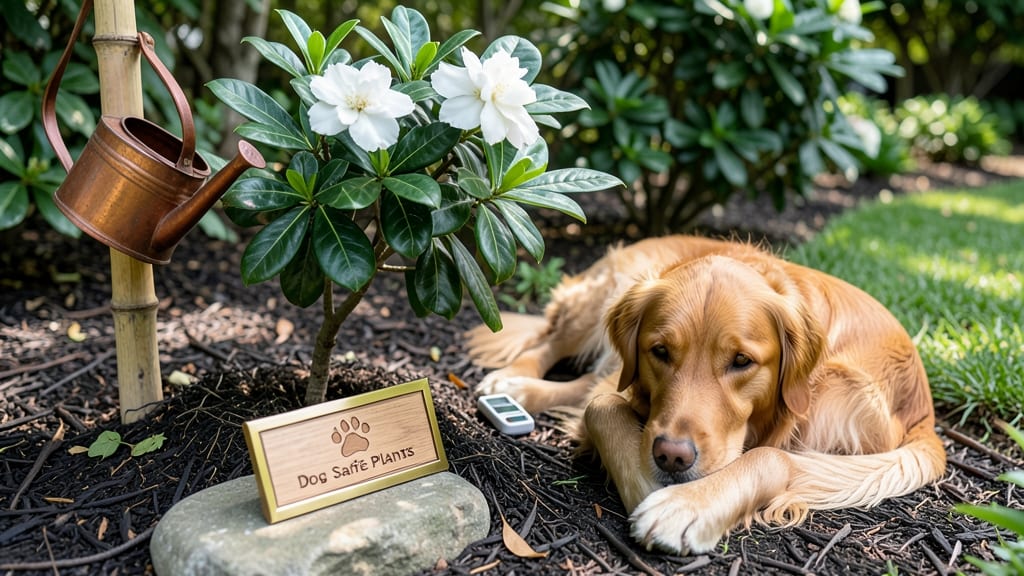
Gardenia plants are not safe for dogs—their leaves, flowers, and stems contain toxic compounds like saponins and glycosides that can cause vomiting, diarrhea, and lethargy in pets. Keep gardenias out of reach to prevent accidental ingestion.
Gardenia toxicity stems from its natural plant compounds, which can trigger gastrointestinal upset in dogs even in small amounts. 🐾 The ASPCA confirms that symptoms like drooling, weakness, or loss of appetite often appear within hours of ingestion, making early intervention critical.
I always recommend removing gardenias from pet-accessible areas—even the scent can be tempting for curious pups.
If you love the look of gardenias but want a dog-friendly garden, consider alternatives like roses or sunflowers, which are non-toxic and equally beautiful. 🌸 Always double-check with your vet before introducing new plants, as individual dog sensitivities vary.
For immediate concerns, contact your vet or the ASPCA Poison Control Center right away.
💡 In This Article
- Toxic Compounds in Gardenias and Their Effects on Dogs
- Safe Alternatives to Gardenias for Pet-Friendly Gardens
Toxic compounds in gardenias and their effects on dogs
Gardenia plants contain saponins and glycosides, two naturally occurring compounds that disrupt canine digestion when ingested. Saponins create soapy-tasting foam in the mouth and irritate the gastrointestinal lining, while glycosides interfere with cellular processes, leading to systemic stress.
These compounds are present in all parts of the plant—leaves, flowers, and stems—making even small nibbles dangerous. 🔥
The toxicity threshold varies by dog size, but symptoms often appear within 6-12 hours of ingestion. Common reactions include excessive drooling, vomiting (sometimes with blood), diarrhea, abdominal pain, and lethargy. In severe cases, gardenia poisoning can cause weakness, tremors, or even seizures, particularly in small breeds or puppies.
The ASPCA reports that gardenia toxicity ranks among the top plant-related pet emergencies due to its widespread popularity in landscaping.
What makes gardenias particularly risky is their aromatic appeal. The sweet, citrusy scent of gardenia flowers can attract curious dogs, encouraging them to chew on leaves or petals. Unlike bitter-tasting plants, gardenias offer no natural deterrent, increasing the chance of accidental poisoning.
Even dried gardenia flowers retain toxicity, so discarded bouquets or plant trimmings pose hidden dangers. 💛
Diagnosing gardenia poisoning requires veterinary attention, as symptoms mimic other conditions like food poisoning or infections. Your vet may induce vomiting (if ingestion was recent) or administer activated charcoal to bind toxins in the stomach.
Supportive care like IV fluids and anti-nausea medications often follows. The key is acting quickly—delaying treatment allows toxins to spread, worsening outcomes.
Interestingly, gardenias are safe for humans in culinary uses (like teas or perfumes) because our digestive systems process saponins differently. Dogs lack the enzymes to metabolize these compounds efficiently, making them far more vulnerable.
This species-specific reaction highlights why pet owners must treat gardenias as hazardous plants, not decorative accents. ✨
To put it in perspective, a 10-pound dog might experience symptoms after eating just one gardenia leaf, while a 50-pound dog could face severe reactions from consuming 3-4 leaves. The variability underscores why gardenias should never be placed at ground level or in areas accessible to pets.