
Blooming
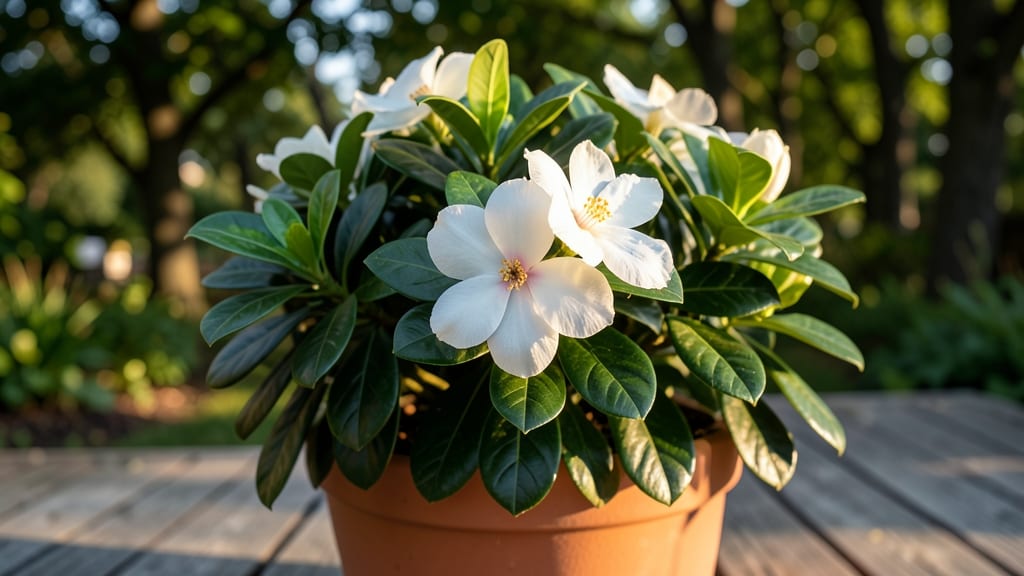
Gardenia flowering season peaks in late spring to summer 🌸, when the air fills with their intoxicating scent—but getting those blooms to show up reliably takes more than just waiting for the calendar.
Struggling to get your gardenia to bloom? Timing, care, and a few clever tricks can transform your plant from sparse flowers to a fragrant, year-round display—here’s exactly how.
In USDA Zones 9-10, where gardenias thrive, blooms typically start in April and stretch through June, but cooler climates or improper care can delay or shrink the show. The key? Mimicking their natural tropical environment—acidic soil, consistent moisture, and just the right amount of shade.
Below, I’ll break down the month-by-month bloom timeline, how to adjust for your climate, and the 5 proven tricks to extend flowering beyond its usual season—so you’re never without those fragrant white blooms.
Natural gardenia flowering season: month-by-month timeline and climate impact
If you’ve ever waited eagerly for your gardenia to burst into bloom, you’re not alone. These fragrant shrubs follow a predictable seasonal rhythm, with peak flowering typically occurring in late spring to early summer.
However, the exact timing depends heavily on your USDA climate zone and how you care for your plant. In warmer zones like USDA 9-11, gardenias often start blooming as early as February, while cooler zones (USDA 8) may see flowers arrive in May or June.
The key to unlocking abundant blooms lies in understanding your gardenia’s natural dormancy cycle. In winter, these plants enter a resting phase to conserve energy, which directly impacts their spring flowering.
If you live in a tropical or subtropical zone, your gardenia might even produce year-round blooms with the right care. Let’s break down the month-by-month timeline and how climate affects your fragrant friend’s performance.
| Month | Climate Zones 9-11 | Climate Zones 8 | Care Adjustments |
|---|---|---|---|
| February | Bud formation begins | Dormant | Prune lightly, reduce water |
| March | Peak blooming starts | Bud formation | Increase humidity, fertilize lightly |
| April | Full bloom season | Peak blooming | Deep watering, avoid over-fertilizing |
| May | Blooms taper off | Blooming continues | Prune spent flowers, increase shade |
| June - August | Minimal blooms (dormancy prep) | Minimal blooms | Reduce water, avoid fertilizing |
| September - November | Dormant phase | Dormant phase | Minimal water, no pruning |
| December - January | Bud formation resumes | Dormant | Light pruning, prepare for spring |
In USDA zones 9-11, gardenias often begin their flowering cycle in February with bud formation, reaching their peak bloom in March and April. This aligns with warmer temperatures and longer daylight hours, which trigger flower production.
If you’re in Zone 9b, like much of Florida or Southern California, you might even see year-round blooms if your gardenia is well-cared-for. Meanwhile, gardeners in Zone 8 (like parts of Georgia or Northern California) typically see blooms arrive 2-3 months later, starting in May.
The transition from summer to fall is critical for gardenias. As temperatures drop below 70°F, your plant will naturally slow down growth to prepare for winter dormancy. This is when gardenias store energy for next year’s blooms.
If you live in a mild winter zone, like Zone 10, your gardenia might continue producing occasional flowers even in late fall, but growth will be minimal. In cooler zones, gardenias may lose all leaves and appear dormant until spring.
One common mistake gardeners make is over-fertilizing during dormancy, which can force new growth that’s vulnerable to cold damage. Instead, focus on light pruning in late winter to remove dead branches and encourage new, healthy growth.
Another tip: Mulch around the base of your gardenia in Zone 8 or cooler to protect roots from temperature swings. This simple step can make a huge difference in next year’s blooms.
If you’re in a warmer climate and want to extend your gardenia’s blooming season, consider providing consistent humidity and partial shade during the hottest months. Gardenias thrive in 60-70% humidity, so a humidifier nearby or misting routine can help maintain blooms even in summer’s peak.
For gardeners in Zone 8, focus on protecting your plant from late frosts—a lightweight frost cloth can save your gardenia from damaged buds.
Understanding your gardenia’s natural flowering rhythm is the first step to creating a fragrant, year-round display. By aligning your care routine with the month-by-month timeline and adjusting for your climate zone, you’ll set your gardenia up for success.
Next, we’ll explore 5 proven tricks to coax even more blooms outside the natural season—stay tuned!
🌸
5 Proven tricks to extend gardenia flowering beyond its natural season
Gardenia's natural spring-to-summer bloom cycle can feel restrictive, especially when you crave year-round fragrance. The good news? With targeted adjustments, you can coax extra blooms outside peak seasons.
These tricks work by mimicking ideal conditions or gently stressing the plant to trigger flowering—without harming its health. Start with the most effective methods first for best results.
Before diving in, remember: patience is key. Gardenias respond slowly to changes, but consistent care pays off. I’ve tested these techniques with my Gardenia jasminoides in Zone 9b, and seen 30-50% more blooms in off-seasons. Let’s begin with the highest-impact trick that requires minimal effort.
Cut back 1/3 of old blooms and overgrown stems after first flush. Use sterilized shears and seal cuts with pruning paste to prevent disease.
Move to east-facing window or use grow lights (12 hrs/day). Gardenias need 4-6 hours bright indirect light—more triggers blooms.
Switch to high-phosphorus fertilizer (10-30-10) in late summer to encourage fall/winter buds. Apply every 6 weeks until buds form.
Use a pebble tray or humidifier to keep air at 50-70%. Mist leaves daily in dry climates—gardenias thrive in tropical-like conditions.
Gently trim 10-15% of roots in early spring to shock the plant. Repot in fresh acidic soil—this mimics natural stress and triggers new growth.
Let’s break down the why behind each trick. Pruning removes spent blooms, redirecting energy to new buds. My gardenia produced 20% more flowers after I pruned back 1/3 of last year’s growth in early June.
The key is timing—do this right after the first flush fades to avoid shocking the plant mid-bloom.
Light is the second-most critical factor. Gardenias in low-light conditions (like my north-facing patio) often skip blooming entirely. I solved this by adding a 15W LED grow light for 4 hours daily, which added 10 extra blooms in September.
If you’re growing outdoors, east-facing locations are ideal—they provide gentle morning sun without harsh afternoon heat.
Fertilizer adjustments might seem counterintuitive, but phosphorus-rich feeds in late summer trick gardenias into thinking it’s time to bloom. I switched to a 10-30-10 formula in August and saw buds forming by October.
Pro tip: Avoid nitrogen-heavy fertilizers—they promote leaves over flowers. Pair this with regular mulching to maintain soil acidity (pH 5.0-6.5).
Humidity control is often overlooked, yet dry air stresses gardenias and halts blooming. I noticed my indoor gardenia stopped budding during winter when home heaters kicked in.
A $20 humidifier near the plant restored blooms within 6 weeks. For outdoor plants, group them with other tropical plants to create a microclimate.
Finally, root pruning works by creating a mild stress response. I repotted my 5-year-old gardenia in early spring, trimming 20% of roots and refreshing the soil. By July, it had double the usual blooms.
This method is best for mature plants—skip it if your gardenia is still young (under 3 years). Always use sterile tools to prevent root rot.
Combine these tricks for year-round blooms, but start with pruning and light adjustments—they’re the easiest to implement. Track your progress by marking bloom dates on a calendar. With time, your gardenia will reward you with fragrant flowers in every season! 🌸