
Size
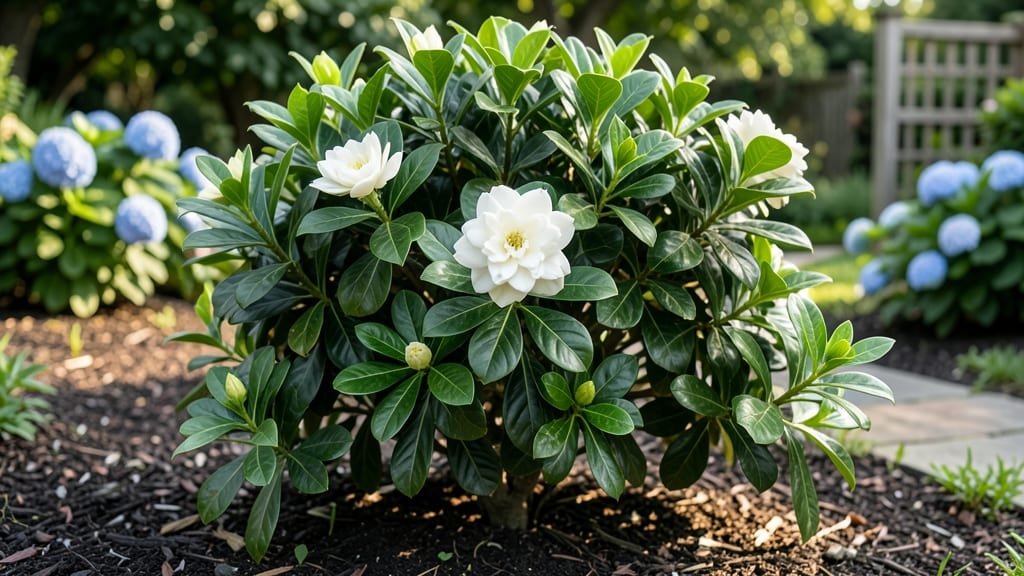
A gardenia shrub’s mature size can transform your garden from a fragrant dream to a space hog—or the perfect focal point—depending on how you plan it.
If you’re dreaming of a lush garden filled with intoxicatingly fragrant blooms, understanding the mature size of gardenia shrubs is your first step to success—because planting too close (or too far!) can make all the difference between a showstopper and a struggle.
Most gardenias 🌸 reach 3 to 6 feet at maturity, with some dwarf varieties staying under 3 feet. That means spacing matters: crowd them, and you’ll fight for sunlight and airflow; space them too wide, and your garden will look sparse.
The key is knowing your variety’s growth habits upfront.
In this guide, I’ll break down how fast they grow, the best spacing for multiple plants, and even how to keep them compact in containers—so you can enjoy those heavenly blooms without the headaches.


Gardenia shrub size by variety: mature height and spread explained
When planning your garden’s layout, knowing the mature size of gardenia shrubs is essential—especially since varieties range from compact 2-foot dwarfs to towering 6-foot giants.
The wrong spacing can lead to crowded stems, poor airflow, or wasted space, so let’s break down the most popular types and their growth habits to help you design a fragrant, thriving garden.
Most gardenias belong to the Gardenia jasminoides species, but even within this group, sizes vary dramatically. For example, the classic Gardenia jasminoides 'Kleim’s Hardy' reaches 3–5 feet tall, while Gardenia radicans (a climbing variety) can sprawl up to 10 feet if given support.
Understanding these differences ensures you allocate space wisely and avoid overcrowding.
Width matters just as much as height—many gardenias spread nearly as wide as they grow tall. A 4-foot-tall shrub might need 3–4 feet of width, while sprawling varieties like Gardenia augusta can demand 5–6 feet of space. This means planting too close can block sunlight, increase humidity (leading to fungal issues), and stunt growth.
Below is a quick reference guide to the most common gardenia varieties, their mature heights, and typical spreads to help you visualize their impact in your garden layout.
If you’re working with limited space, dwarf varieties like 'Veitchii' or 'Kleim’s Hardy' are perfect for containers or small gardens. These stay under 3 feet tall and wide, making them ideal for patios or balconies.
Just ensure their pots are at least 12–15 inches wide to accommodate their root systems.
For larger gardens, Gardenia augusta or 'Fortuniana' can serve as stunning focal points. Their 5–6 foot height and wide spread create a dramatic backdrop, but they’ll need at least 6 feet of space between them and other plants to thrive.
Planting them too close can lead to competing roots and reduced flowering.
One common mistake gardeners make is assuming all gardenias grow at the same rate. Climbing varieties like 'Radicans' can grow 2–3 feet per year if given support, while others like 'Veitchii' might only add 6 inches annually. Plan accordingly—especially if you’re using them for quick privacy or vertical interest.
Pro tip: Always check the tag or nursery description for exact dimensions, as grafted or hybrid varieties can sometimes exceed typical size ranges. And remember, gardenias hate being transplanted once mature, so measure twice and dig once!
Now that you know the size ranges, your next step is spacing—because even the most fragrant gardenia won’t bloom well if it’s cramped or isolated. Stay tuned for our next section on optimal spacing and planting layouts to maximize airflow, sunlight, and those intoxicating blooms.
Optimal spacing and planting layouts for Gardenia shrubs
When planting gardenia shrubs, spacing isn’t just about aesthetics—it’s about their health and blooming potential. These tropical beauties thrive with room to breathe, allowing sunlight to reach all leaves and air to circulate, which prevents fungal diseases like powdery mildew.
I’ve learned the hard way that cramming them too close leads to weak stems and fewer flowers, while spacing them too far apart wastes garden space.
The ideal distance between gardenia shrubs depends on the variety and your goals. For most standard varieties like Gardenia jasminoides, aim for 4–6 feet apart in all directions. This gives them enough room to reach their mature width of 3–5 feet while maintaining airflow.
If you’re working with dwarf varieties like Gardenia radicans, you can reduce spacing to 3–4 feet.
Here’s the key: gardenias grow best in partial shade, but they still need filtered sunlight for photosynthesis. Planting them too close can create a shady microclimate in the center of the grouping, where blooms may fail to open.
Conversely, spacing them too far apart can leave gaps where weeds or invasive grasses take over. Balance is everything!
Gardenia Shrub Spacing: Pros & Cons
- ✅ Airflow: Reduces fungal risks
- ✅ Sunlight: Ensures even growth
- ✅ Root Space: Prevents competition
- ✅ Blooms: More flowers, longer season
- ❌ Crowding: Weak stems, fewer blooms
- ❌ Disease: High humidity = powdery mildew
- ❌ Weeds: Gaps invite invasive growth
- ❌ Pruning: More work to thin overgrowth
For container gardeners, Gardenia radicans is a game-changer. This trailing variety stays compact, making it perfect for hanging baskets or large pots. Space containers 2–3 feet apart to allow airflow between plants.
I’ve seen gardeners double their blooms by keeping containers elevated and using terracotta pots, which wick away excess moisture and prevent root rot.
If you’re designing a hedge or privacy screen, plant gardenias 3–4 feet apart in a staggered layout. This creates a natural, fragrant barrier while allowing sunlight to filter through.
Over time, the shrubs will fill in, but avoid planting them in a straight line—this can lead to uneven growth and gaps where weeds sneak in.
One of my biggest mistakes? Ignoring the root zone when spacing. Gardenias have shallow but wide roots, so dig a hole twice as wide as the root ball but only as deep as it was in the nursery.
This encourages outward root growth, which stabilizes the plant and improves nutrient uptake. Always amend the soil with peat moss or pine bark to maintain that acidic pH they love.
Finally, remember that gardenias grow slowly—about 6–12 inches per year. This means you can adjust spacing over time if needed. If you notice your shrubs getting too close, prune back the outer branches in late winter to open up the center.
With the right spacing, your gardenias will reward you with glossy leaves and heavy, fragrant blooms for decades.