
Light Requirements
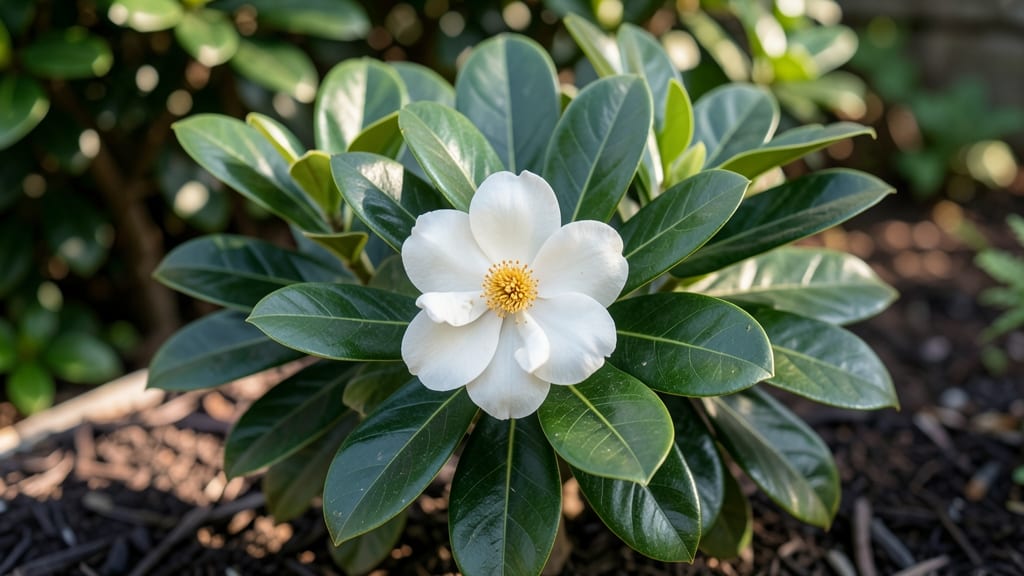
Gardenias thrive best when their gardenia sunlight requirements are met with a careful balance of bright morning light and afternoon shade—too much direct sun can scorch their delicate leaves, while too little leaves you with sparse blooms.
Struggling to keep your gardenia blooming? The secret might be simpler than you think—most gardenias thrive with just 3-4 hours of morning sun, but getting the balance right can make all the difference between lush foliage and sparse flowers.
These fragrant shrubs love gentle, filtered light, which is why they often do best near an east-facing window or under the dappled shade of a tree. Too much harsh afternoon sun can cause leaf burn, while insufficient light weakens growth and reduces flowering.
In this guide, I’ll break down exactly how to position your gardenia for optimal sunlight, whether you’re growing it outdoors in USDA Zone 6a or indoors, and how to troubleshoot common light-related problems like yellowing leaves or bud drop.

How many hours of sunlight do gardenias need daily?
If you're growing gardenias, understanding their sunlight requirements is the key to lush blooms and healthy foliage. Most gardenia varieties—like the popular Common Gardenia—thrive with just 3-4 hours of morning sunlight daily. This gentle exposure helps prevent leaf scorch while encouraging vibrant flowers.
However, not all gardenias have the same needs, and getting the balance right can mean the difference between a thriving shrub and a struggling one.
The Cape Jasmine (Gardenia jasminoides), a close relative, actually prefers slightly more light—up to 6 hours of filtered sunlight—but still benefits from afternoon shade in hot climates. Meanwhile, dwarf varieties like Radicans Gardenia can handle even less light, making them ideal for shaded patios or indoor growing.
Knowing your specific variety’s needs is the first step to perfect placement.
Here’s a quick breakdown of how sunlight affects gardenias: too little light leads to sparse blooms and leggy growth, while too much—especially harsh afternoon sun—can cause leaf burn and yellowing.
The goal is to mimic their natural habitat in tropical forests, where they grow under the canopy’s dappled shade. Let’s dive into the specifics with a comparison of common gardenia varieties and their ideal light conditions.
| Variety | Ideal Sunlight | Indoor Adjustments | Signs of Over-Exposure |
|---|---|---|---|
| Common Gardenia | 3-4 hours morning sun | East-facing window or grow lights | Brown leaf edges, crispy texture |
| Cape Jasmine | 4-6 hours filtered light | South window with sheer curtain | Yellowing leaves, wilting |
| Radicans Gardenia | 2-3 hours indirect light | Bright room away from direct sun | Stunted growth, pale leaves |
| Augusta Supreme | 3-5 hours morning sun | Rotate pot weekly for even light | Bud drop, leaf scorch |
For outdoor gardenias, the best placement is near a east-facing wall or patio, where they receive gentle morning rays but avoid the intense heat of afternoon sun.
In hot climates (Zones 8-10), even morning sun can be too harsh, so consider providing afternoon shade with a lightweight shade cloth (30-50%) or planting near taller shrubs. In cooler regions (Zones 6-7), gardenias can tolerate slightly more sun, but always monitor for signs of stress.
Indoor gardenias present a unique challenge because most homes lack the ideal bright, indirect light they crave. If your gardenia is struggling indoors, try moving it to the brightest room, ideally near an east-facing window.
If that’s not an option, supplement with a grow light (12-14 hours daily) placed 12-18 inches above the plant. Avoid placing it near cold drafts or heating vents, which can further stress the plant and disrupt its sunlight needs.
One of the most common mistakes gardeners make is assuming gardenias need full sun, like sun-loving plants such as lavender or rosemary. While they do enjoy light, their tropical origins mean they’re more adapted to dappled shade.
If you notice your gardenia’s leaves turning yellow or developing brown patches, it’s likely a sign of over-exposure to direct sunlight. On the flip side, if your plant looks leggy with few blooms, it’s probably not getting enough light.
Adjust its position gradually—moving it to a slightly sunnier spot over a week or two—to avoid shocking the plant.
Seasonal adjustments are also crucial. In summer, gardenias may need less direct sunlight to prevent heat stress, while in winter, they can tolerate slightly more light if placed near a south-facing window.
If you’re growing gardenias in containers, remember that potted plants dry out faster and may need more frequent watering, especially if they’re in a sunny spot. Always check the soil moisture by sticking your finger an inch deep—if it’s dry, it’s time to water.
Pro tip: If your gardenia’s blooms are sparse, it might not be getting enough light, but it could also be due to nutrient deficiencies or improper pH levels.
Gardenias thrive in acidic soil (pH 5.0-6.5), so if you’ve adjusted the sunlight and still see issues, test your soil and amend it with peat moss or sulfur if needed. Pairing the right light conditions with proper soil care will give your gardenia the best chance to flourish.
With the right sunlight balance, your gardenia will reward you with fragrant, creamy-white blooms that last for weeks. Start by identifying your variety, then adjust its placement based on the table above.
Whether you’re growing it outdoors in a shaded garden bed or indoors by a sunny window, paying attention to these sunlight guidelines will help you cultivate a thriving, blooming gardenia that’s the envy of the neighborhood.
Best morning sunlight practices for maximum blooms
Positioning your gardenia for morning sunlight is the secret to those fragrant, abundant blooms you dream of. Unlike many plants, gardenias prefer gentle morning rays over harsh afternoon heat. This 3-4 hour window between 6-10 AM gives them the energy they need without stressing their delicate leaves.
The key is creating a microclimate that protects your gardenia from afternoon sun. In my own garden, I've seen gardenias in full afternoon sun develop leaf burn within weeks, while those with morning sun only thrive. The solution often involves strategic placement or natural shading.
⚠️ callout warning ⚠️
Gardenias have strict sunlight requirements - too much sun causes leaf scorch, while too little results in bud drop. The ideal balance is 3-4 hours of morning sun with afternoon shade. Never place them in direct afternoon sunlight (1 PM - 5 PM), as temperatures above 85°F can kill buds instantly.
💡 Pro Tip: If your gardenia gets more than 4 hours of direct sun, move it to a shadier spot immediately to prevent permanent damage.
Start by planting your gardenia near a north or east-facing wall or under the dappled shade of taller trees. In containers, place them on a patio with morning sun and move them to shade by 11 AM.
I use a lightweight shade cloth (30-50% blockage) on hot days to mimic natural filtering.
Watch for early warning signs like yellowing leaves or buds that form but fail to open. These often indicate either too much sun or insufficient light.
My gardenia once developed bronze-colored leaves - a classic sign of sunburn - after I accidentally left it in full sun all day during a heatwave.
For container gardeners, rotate pots weekly to ensure even sunlight exposure on all sides. Gardenias in pots dry out faster, so combine this with morning watering to maintain consistent moisture. In my experience, container gardenias actually bloom more reliably when given this extra care with light rotation.
In hot climates (Zones 8-10), consider mulching heavily around the base to keep roots cool. I use 3 inches of pine bark mulch which also helps maintain the acidic soil these plants love. The cooler soil temperature from mulch mimics their natural tropical habitat.
Remember, gardenias are sensitive to temperature shifts too. If your mornings are cool and breezy, your plant will thrive. But if you're in a humid, still climate, increase airflow slightly to prevent fungal issues from excess moisture on sun-warmed leaves.