
Pruning
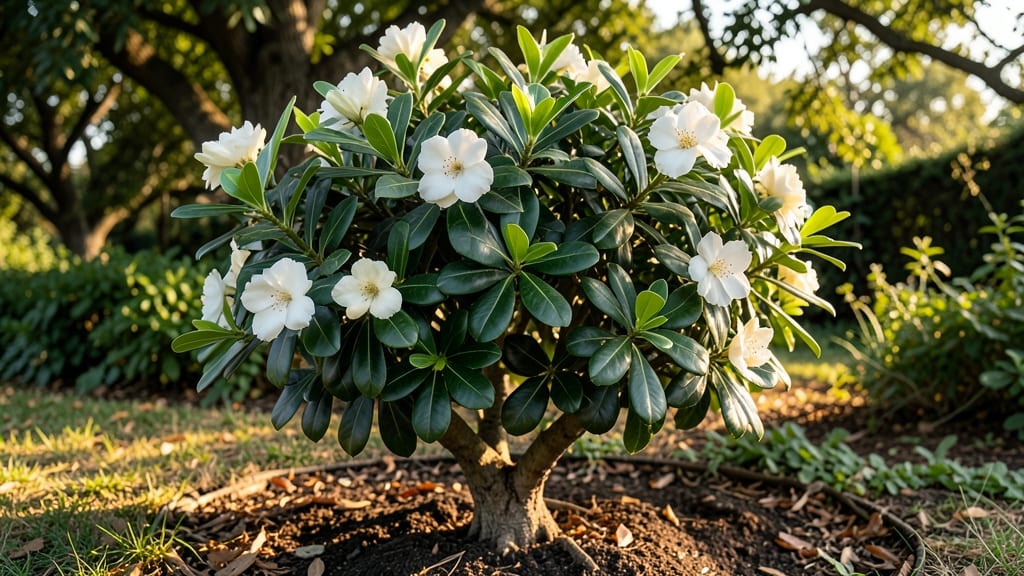
A gardenia tree’s height can reach anywhere from 3 to 15 feet—but without the right care, it might grow too fast or stay stubbornly small.
If your gardenia tree is towering over your patio or struggling to reach its full potential, understanding its natural growth patterns—and how to prune it—could transform your outdoor space without harsh chemicals.
Most gardenia trees grow 6 to 12 inches per year, but sunlight, soil, and pruning habits play a huge role in how tall they become. In this guide, I’ll break down the factors that influence their height and share natural pruning techniques to keep them at your ideal size.
Whether you want a compact hedge or a towering centerpiece, you’ll learn how to control growth while keeping those fragrant blooms coming back year after year.

How tall does a gardenia tree grow naturally (with growth stages)
If you've ever wondered why your gardenia tree seems to grow at its own pace—or why some varieties dwarf others—understanding its natural growth stages is key. These fragrant evergreens can reach heights from 3 feet to 15 feet, depending on the variety and growing conditions.
The secret lies in their juvenile growth phase, where they focus on building structure before shooting upward in maturity. Knowing these stages helps you plan spacing, pruning, and even container choices to keep your gardenia thriving without overcrowding.
For most Gardenia jasminoides (the most common type), the first year is all about establishing roots and foliage. You’ll see growth of just 1-2 feet, but don’t be fooled—this is when the foundation for future height is set.
In years two and three, expect 3-8 feet of vertical expansion, with growth rates of 6-12 inches per year. By year five, your gardenia will likely hit its mature height range, which can vary wildly based on sunlight, soil, and even your local climate.
Here’s the kicker: dwarf varieties like 'Radicans' max out at 3-5 feet, making them perfect for containers or small gardens, while standard types like 'Kleim’s Hardy' can soar to 10-15 feet if left unchecked. The difference often comes down to genetics and how aggressively you prune.
Without intervention, a gardenia’s natural growth can quickly outpace your patio furniture—or your pruning shears! Understanding these stages helps you intervene at the right time to shape your plant’s future.
Sunlight is the biggest factor influencing your gardenia’s height. While these plants thrive in partial shade (morning sun + afternoon shade), too little light slows growth, while full sun exposure can send your tree reaching for the sky—sometimes up to 15 feet in ideal conditions.
If you’re growing a dwarf variety in a shady spot, expect even slower growth, potentially stunting it below 3 feet. The key is balance: provide enough light for blooms but avoid the harsh afternoon sun that can scorch leaves and encourage rapid, unchecked growth.
Soil plays a surprising role too. Gardenias are finicky about acidic, well-draining soil with a pH of 5.0-6.5. Poor soil conditions—like alkaline or compacted earth—can stunt growth or cause nutrient deficiencies, leading to leggy, weak stems that struggle to support the plant’s weight.
Amend your soil with peat moss or sulfur to keep the pH optimal, and mulch with pine needles to maintain acidity. Healthy soil means stronger stems and better control over your gardenia’s vertical expansion.
Climate also shapes your gardenia’s growth trajectory. In USDA zones 7-10, where gardenias thrive, they grow more aggressively due to longer growing seasons. But in cooler zones (like zone 6), growth slows significantly, often capping mature height at 6-8 feet.
If you’re in a colder region, choose hardy varieties like 'Kleim’s Hardy' and protect young plants with winter mulch to encourage steady growth without stress.
Pruning is your best tool for managing height naturally. During the juvenile stage, light pruning encourages bushier growth, while in maturity, selective pruning removes upward-shooting branches to maintain a compact shape. The key is timing: prune just after flowering (late summer) to avoid cutting off next year’s blooms.
With the right approach, you can keep even a standard gardenia under 8 feet—perfect for a small yard or patio.
Container gardening offers another way to control height. Dwarf varieties like 'Radicans' thrive in 15-20 gallon pots, where root restriction naturally limits growth to 3-5 feet. Just ensure your container has drainage holes and use a well-draining potting mix to prevent root rot.
Repot every 2-3 years to refresh the soil and give roots room to grow without encouraging excessive height.
Remember, every gardenia tells a different story. While some may hit 15 feet in ideal conditions, others might stay modest due to genetics or care. Pay attention to your plant’s growth habits, adjust sunlight and soil as needed, and don’t hesitate to pr
5 Natural pruning techniques to limit gardenia tree height
Pruning your gardenia tree doesn’t have to mean drastic cuts—just strategic, natural techniques that encourage healthy growth while keeping it at your desired height. The key is timing and method, as gardenias respond best to late winter or early spring pruning before new growth begins.
This ensures you shape the tree without sacrificing its stunning white blooms or lush foliage.
Before grabbing your shears, gather the right tools: sterilized pruning shears, gloves, and disinfectant to prevent disease spread. Gardenias are sensitive to over-pruning, so focus on selective cuts that promote airflow and sunlight penetration. Let’s explore five proven techniques to naturally limit height while maintaining a thriving plant.
- 1. Crown Thinning
Remove 10-20% of dense inner branches to improve airflow and reduce height. Focus on overlapping or crossing branches near the center of the canopy. - 2. Selective Branch Removal
Target vertical shoots growing upward from the main trunk. Cut these back to a lateral branch to redirect energy into wider growth. - 3. Heading Cuts
Trim the topmost growth of branches by 1/3 to encourage bushier, shorter side shoots. Avoid cutting into old wood, as gardenias may not regrow well. - 4. Layering for Dwarf Varieties
For dwarf gardenias, gently bend lower branches to the ground and bury a section with soil. Once roots form, sever the connection and transplant the new plant. - 5. Structural Pruning
Shape the tree by removing competing leaders (competing vertical stems) and opening the center. This prevents a lopsided or top-heavy appearance.
Timing is everything—prune your gardenia in late winter or early spring, just as buds begin to swell. This encourages vigorous new growth while avoiding the stress of summer heat or winter dormancy. Avoid heavy pruning in fall, as it can stimulate tender growth that won’t survive frost.
When pruning, always cut just above a bud or lateral branch at a 45-degree angle to prevent water pooling. Seal larger cuts with pruning sealant to protect the tree from pests and disease. With these techniques, your gardenia will stay lush, blooming, and perfectly proportioned to your outdoor space.
Remember, gardenias reward patience. Light, consistent pruning over time yields better results than aggressive cuts. Monitor your tree’s response after each session—healthy new shoots indicate you’re on the right track!