
Pruning
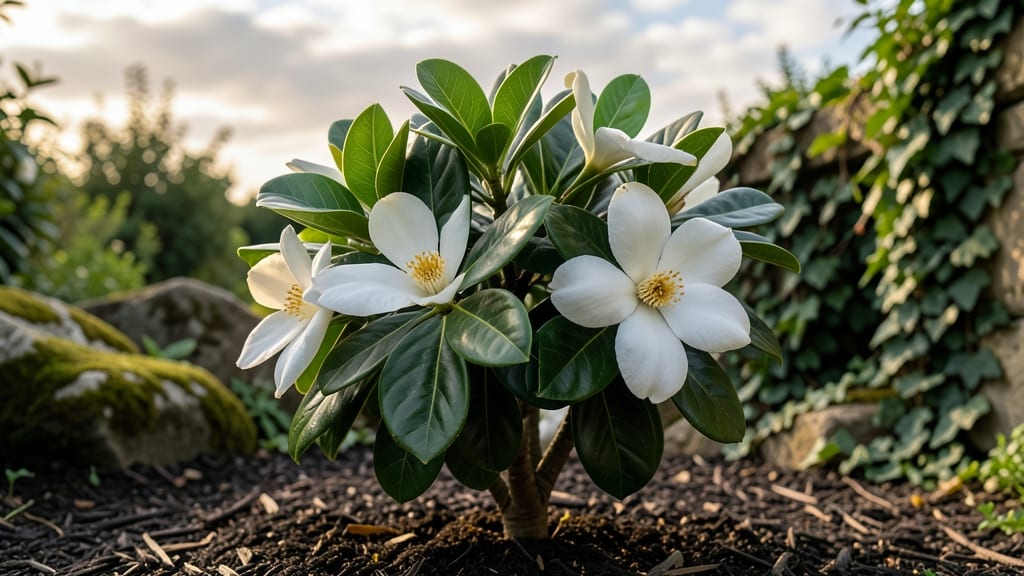
A gardenia tree size can range from a compact 3-foot shrub to a towering 10-foot specimen, depending on the variety and how you shape it.
If you’re dreaming of fragrant white blooms but worried about your garden’s space, understanding gardenia tree size is your first step to success—because these beauties can grow from compact shrubs to towering specimens depending on how you prune and train them.
Some varieties, like 'Radicans,' stay under 5 feet with proper care, while others, such as 'Veitchii,' can reach 10 feet or more if left unchecked. The key to controlling their growth lies in pruning, spacing, and choosing the right variety for your space.
In this guide, you’ll learn how to manage gardenia tree size—whether you’re working with a small container, a backyard corner, or a larger landscape. We’ll cover everything from selecting dwarf varieties to advanced pruning techniques for keeping them in check.


How tall does a gardenia tree grow? Mature size by variety
Choosing a gardenia tree means deciding between a compact shrub or a towering specimen, as their mature sizes vary dramatically. The 'Radicans' variety, for example, stays under 5 feet tall, perfect for small gardens, while the 'Veitchii' can reach 10 feet or more if left unpruned.
Understanding these differences helps you pick the right variety for your space and pruning goals.
Gardenia trees grow at a moderate pace, typically adding 6-12 inches per year in ideal conditions. Their final height depends on the cultivar, pruning habits, and growing conditions.
For instance, 'Kleim's Hardy' gardenias often max out at 6-8 feet, while 'Augusta' can stretch to 12 feet if given full freedom. Pruning plays a huge role in controlling their size—regular trimming can keep even large varieties manageable.
🌱
If you're working with limited space, the 'Radicans' or 'Fortuniana' varieties are ideal choices. These dwarf gardenias thrive in containers and can even be trained as bonsai specimens with careful pruning. For larger gardens, 'Kleim's Hardy' offers a balance—tall enough for impact but manageable with seasonal trimming.
Pruning isn’t just about size control; it also encourages healthier blooms. I recommend pruning right after flowering to shape the plant and remove dead wood. This timing prevents overgrowth while promoting new growth for next season’s blooms.
For standard varieties like 'Veitchii', pruning can reduce height by 30-50% if done aggressively in early spring.
One common mistake is assuming all gardenias grow the same size. 'Augusta', for example, can become a small tree if unchecked, while 'Radicans' stays a neat, compact shrub. Always check the cultivar description before purchasing to avoid surprises.
I’ve seen gardeners struggle when they plant a 10-foot variety in a 6-foot-wide garden—only to realize too late how quickly it outgrows its space.
For container gardening, choose dwarf varieties like 'Fortuniana' and use 15-gallon pots for mature plants. Even then, you’ll need to prune regularly to prevent root-bound stress. I’ve successfully grown 'Radicans' in 5-gallon containers for years by repotting every 2-3 years and pruning back by one-third each spring.
Gardenia trees also vary in spread, which is just as important as height. A 6-foot-tall gardenia with
Space requirements: how far to plant gardenias for optimal growth
Proper spacing is essential for your gardenia’s health and blooming potential. Planting too closely can lead to root competition, poor airflow, and even disease—while giving them too much room might leave your garden looking sparse.
The ideal distance depends on the variety and its mature size, but a good rule of thumb is to plant gardenias 3–15 feet apart, depending on their growth habit.
For dwarf varieties like 'Radicans,' a 3–5 foot spacing works perfectly, allowing them to fill out without crowding. On the other hand, standard varieties like 'Veitchii' need 10–15 feet of space to thrive and avoid overcrowding.
Even if you’re growing gardenias in containers, ensure they’re placed at least 2–3 feet apart to prevent root binding and improve air circulation.
Here’s what you need to know about spacing, sunlight, and signs your gardenia is struggling:
- 1 Dwarf varieties (3–5 ft tall): Plant 3–4 feet apart to allow airflow and prevent fungal issues.
- 2 Medium varieties (5–8 ft tall): Space 5–7 feet apart for balanced growth and sunlight exposure.
- 3 Standard varieties (8–10+ ft tall): Provide 10–15 feet of clearance to avoid overcrowding and ensure full sunlight access.
- 4 Sunlight needs: Gardenias thrive in morning sun and afternoon shade, so avoid planting them where they’ll receive hot afternoon rays for extended periods.
- 5 Signs of poor spacing: Watch for yellowing leaves, fewer blooms, or stunted growth—these are red flags that your gardenia needs more space or better airflow.
If you’re planting gardenias in a small garden or container, opt for dwarf varieties and prune regularly to maintain their size. Even in larger landscapes, avoid planting them too close to other moisture-loving plants like hydrangeas or azaleas, as they’ll compete for nutrients and water.
For container gardening, choose a pot at least 18–24 inches wide and deep and place it where it gets bright, indirect light. Mulch around the base to retain moisture and keep roots cool, especially in hot climates.
With the right spacing and care, your gardenia will reward you with lush foliage and fragrant blooms all season long.
Remember, gardenias are slow growers—so give them the space they need now to avoid costly pruning or transplanting later. Proper spacing isn’t just about aesthetics; it’s about long-term health and productivity for your plants.