
Planting
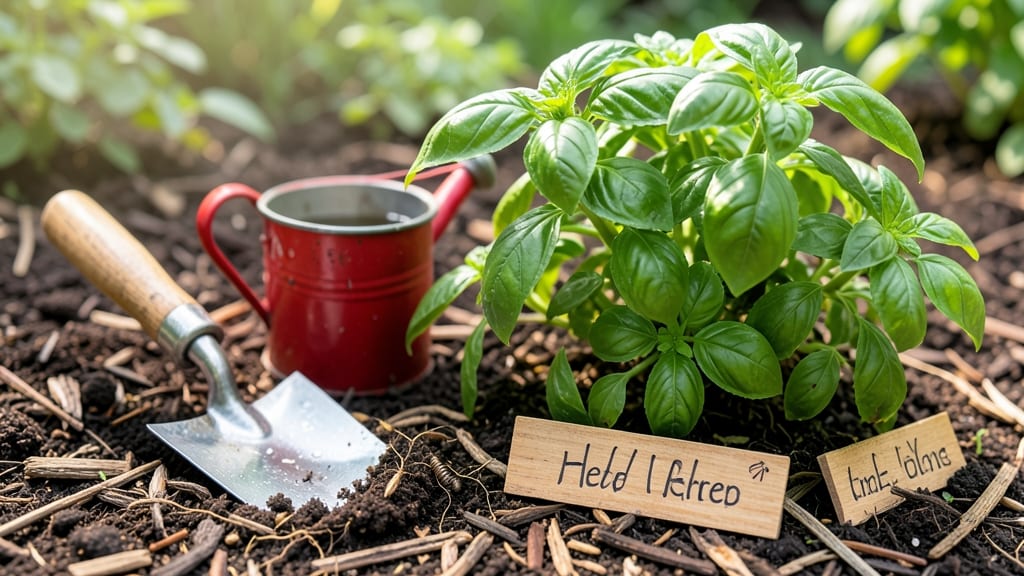
Planting herbs in your garden is one of the fastest ways to turn a patch of soil into a fragrant, functional kitchen corner.
Picture this: you step outside to snip fresh basil for your pasta, only to find it thriving so vigorously it’s spilling over the pot 🌱. That’s the magic of the right herbs—fast growth, minimal fuss, and rewards that last from summer through fall.
Whether you’ve got a sunlit windowsill or a full plot, these 15 picks grow like weeds (in the best way) and pay you back in flavor, medicine, and even pest control.
Some, like mint and parsley, are practically foolproof—toss seeds in the ground, water occasionally, and watch them take off. Others, like rosemary or thyme, love dry conditions and thrive with neglect, making them perfect for rocky soil or containers.
The key? Matching each herb’s needs to your space, and I’ll show you exactly how to do that—no green thumb required.
By the end, you’ll know which herbs to plant together (they do talk to each other), how to stretch your harvest through winter, and which ones double as natural remedies. Ready to turn your garden into a self-sustaining spice rack?

15 Fastest-growing herbs for beginner gardeners (with growing tips)
If you're new to gardening but eager to grow your own herbs, you'll love these fastest-growing varieties that deliver harvest-ready leaves in weeks. These low-maintenance herbs thrive in containers or garden beds, making them perfect for small spaces and busy schedules.
Whether you're growing for culinary flavors or natural remedies, these herbs will reward you with quick results and abundant growth.
From sun-loving basil to shade-tolerant parsley, each herb on this list grows faster than you might expect—some even bolting in as little as 30 days. I've included planting tips, ideal conditions, and harvest timelines so you can start growing confidently.
Let's dive into the top 15 fastest-growing herbs that will transform your garden into a fragrant, flavorful oasis.
🌱 Top 15 Fastest-Growing Herbs for Beginners
- 1. Basil - 30-45 days to harvest; loves full sun and consistent water
- 2. Cilantro - 25-35 days to harvest; thrives in cool weather and partial shade
- 3. Dill - 40-50 days to harvest; needs full sun and well-draining soil
- 4. Mint - 60-70 days (but spreads aggressively); prefers partial shade and moist soil
- 5. Parsley - 60-75 days (biennial); grows well in partial shade and rich soil
- 6. Chives - 50-60 days (perennial); tolerates partial shade and dry conditions
- 7. Thyme - 60-90 days (perennial); thrives in full sun and drought conditions
- 8. Oregano - 60-75 days (perennial); loves full sun and well-draining soil
- 9. Chervil - 30-40 days; grows best in cool weather and partial shade
- 10. Sage - 75-90 days (perennial); needs full sun and dry soil
- 11. Lemon Balm - 60-70 days; thrives in partial shade and moist soil
- 12. Tarragon - 90-120 days (perennial); prefers full sun and rich soil
- 13. Marjoram - 60-75 days (perennial); loves full sun and well-draining soil
- 14. Stevia - 60-70 days; grows in full sun to partial shade
- 15. Lavender - 90-120 days (perennial); needs full sun and dry, sandy soil
Pro Tip: Basil, cilantro, and dill are the absolute fastest—ready for harvest in under 45 days!
Let's start with the top 3 fastest-growing herbs that will have you harvesting in under a month. Basil
How to maximize year-round herb harvests (even in cold climates)
Cold weather doesn't have to mean the end of your herb garden. With the right strategies, you can enjoy fresh basil, cilantro, and parsley even when temperatures drop. The key is combining container gardening, season extenders, and smart indoor growing techniques.
I've successfully grown herbs through winter in Zone 5 using these methods, and I'll show you how.
Start by selecting cold-hardy herbs like thyme, oregano, and rosemary that naturally tolerate frost. For more tender varieties, container growing on patios or balconies gives you mobility to move plants to sheltered spots when needed. This flexibility is especially valuable in unpredictable climates where sudden freezes can occur.
⚠️ callout-warning ⚠️
Many gardeners overlook root insulation when protecting herb containers. Without insulating the soil, roots freeze even if leaves stay above 32°F. Always use mulch or bubble wrap around container bases during extreme cold snaps.
✅ Do: Bury containers halfway in soil or use straw mulch 3" deep
❌ Don't: Leave containers exposed on concrete or uncovered ground
For indoor herb growing, invest in a grow light system with full-spectrum LEDs that mimic sunlight. Place your herbs near a south-facing window during the day, then supplement with 12-14 hours of artificial light daily.
My basil plants produce just as well indoors with this setup as they do outdoors in summer.
Create a companion planting strategy to naturally deter pests that thrive in cold weather. Plant garlic and chives near your herbs—their strong aromas repel aphids and spider mites. I've found that marigolds interspersed among my herb beds also act as natural pest barriers while attracting beneficial insects.
Use cold frames or hoop houses to extend your outdoor growing season by 4-6 weeks.
These simple structures trap heat from the sun and can raise soil temperatures by 10-15°F. Even a DIY mini greenhouse made from a plastic storage bin with a clear lid works wonders for protecting tender herbs during light frosts.
Don't forget to harvest regularly even in winter—this encourages new growth. With proper care, your herb garden can provide fresh flavors month after month, regardless of the weather outside.
The secret is combining these techniques: mobile containers, season extenders, and smart companion planting to create an ecosystem that thrives year-round.