
How To
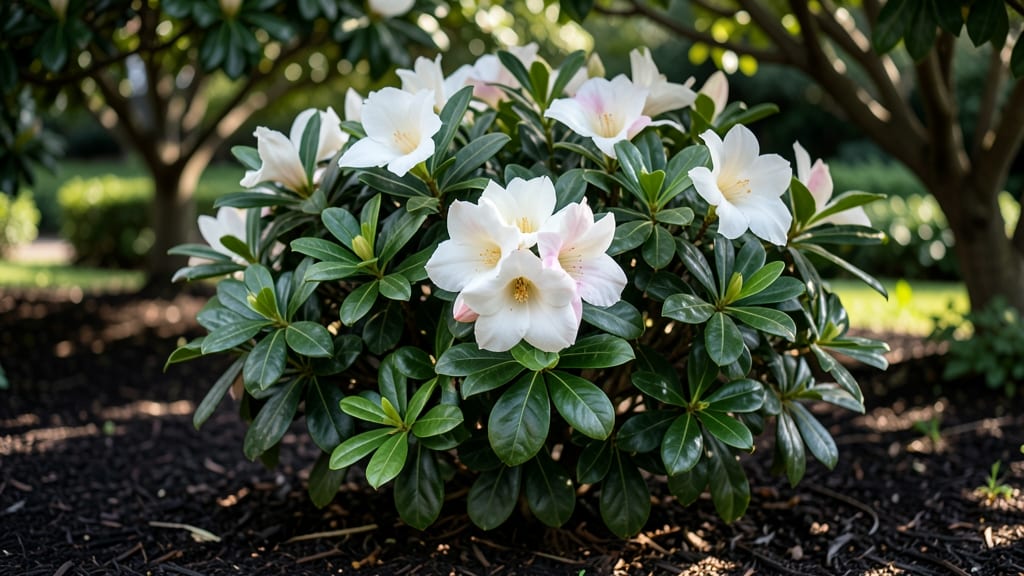
Gardenia bushes grow anywhere from 2 to 10 feet tall—depending on the variety—so knowing their mature size is the key to placing them without regret.
Picture this: a 3-foot dwarf thriving in a patio pot, its sweet scent filling the air, while a 10-foot giant stretches toward the sky in your backyard. The difference isn’t just height—it’s how much space they’ll need to shine (or struggle) in your garden.
Some varieties, like the popular G. jasminoides, top out around 6 feet, while others, such as the Kleim’s Hardy, stay under 5 feet—perfect for small spaces. But soil, sunlight, and pruning can push or pull those numbers, too.
Below, I break down the exact sizes by type, how to control growth, and the best spots to plant them so they flourish without taking over.
Gardenia bush size by variety: height and spread guide
Choosing the right gardenia variety depends entirely on your garden’s space. Some varieties like ‘Kleim’s Hardy’ stay under 5 feet tall, perfect for small yards or containers, while others like ‘Veitchii’ can reach 10+ feet, making them statement plants for larger landscapes.
Understanding these differences helps you plan for fragrant blooms without overcrowding your garden.
Gardenia bushes vary widely in both height and spread, with some growing upright while others form dense mounds. For example, ‘Radicans’ spreads wider than it grows tall, while ‘Fortunata’ stays more compact.
Below, I’ve broken down the most popular varieties by their mature dimensions to help you visualize their potential in your garden.
| Variety | Height (ft) | Spread (ft) | Growth Habit | Best For |
|---|---|---|---|---|
| ‘Kleim’s Hardy’ | 3–5 | 3–4 | Upright, mounding | Containers, small gardens |
| ‘Radicans’ | 4–6 | 5–7 | Spreading, bushy | Hedges, borders |
| ‘Veitchii’ | 10–15 | 6–8 | Tall, upright | Large gardens, focal points |
| ‘Fortunata’ | 5–7 | 4–5 | Compact, rounded | Patio pots, small spaces |
| ‘Mystery’ | 6–8 | 5–6 | Upright, dense | Privacy screens, shrub borders |
If you’re working with limited space, dwarf varieties like ‘Kleim’s Hardy’ or ‘Fortunata’ are ideal. These stay under 5 feet tall and thrive in 15-gallon containers, making them perfect for patios or balconies. Their mounding growth habit also adds visual interest without taking up much room.
For larger gardens, ‘Veitchii’ and ‘Radicans’ offer dramatic height and spread. These varieties can create natural privacy screens or serve as focal points in landscape designs. Just be sure to give them 6+ feet of clearance on all sides to prevent overcrowding and ensure proper airflow for healthy growth.
One key factor affecting size is pruning frequency. Regular pruning in late winter or early spring helps control height and encourages bushier growth. For example, pinching back new growth on ‘Radicans’ can reduce its spread by 20–30%, making it easier to fit into smaller spaces.
Soil and sunlight also play a role in how large your gardenia grows. Well-draining, acidic soil (pH 5.0–6.5) and partial shade (morning sun, afternoon shade) promote healthier, more controlled growth. In hot climates, providing afternoon shade can prevent leggy growth and keep bushes more compact.
When planning your garden layout, consider the mature spread of each variety. For instance, ‘Radicans’ spreads 5–7 feet wide, so planting it too close to other shrubs can lead to competition for nutrients and light.
Aim for 3–4 feet of space between gardenia bushes to allow for airflow and easy maintenance.
If you’re unsure which variety to choose, start with ‘Kleim’s Hardy’ for its hardiness in colder zones (USDA Zone 6) and compact size. For a bold statement, ‘Veitchii’ delivers stunning blooms and height, but it requires more space and care. Always check the USDA Zone compatibility
How to control gardenia bush growth for small gardens
If your garden space is limited but you love the idea of fragrant gardenias, controlling their growth is key. Many varieties can easily outgrow small yards or containers if left unchecked. The good news?
With the right techniques, you can keep them compact, bushy, and thriving in even the tightest spaces. I’ve found that pruning at the right time, using containers strategically, and restricting root growth make all the difference.
Gardenias naturally grow between 3 to 10 feet tall, depending on the variety, but their spread can also become unruly. For example, the popular G. jasminoides can reach 6 feet tall and wide if unmanaged.
The secret to keeping them in check lies in timing your pruning, choosing dwarf varieties, and understanding their growth habits. Let’s break down the steps to keep your gardenias from becoming garden giants.
Step-by-Step Guide to Controlling Gardenia Growth
- 1 Prune in late winter or early spring (just before new growth starts). This encourages bushier growth and prevents leggy stems. Use clean, sharp pruners to cut back 1/3 of the oldest growth while maintaining the plant’s natural shape.
- 2 Choose dwarf varieties like 'Kleim’s Hardy' (3–5 ft) or 'Radicans' (2–3 ft tall). These stay small naturally, making them perfect for containers or small gardens. Always check the tag for mature size before buying.
- 3 Use containers with root restriction. Gardenias in pots grow slower if their roots are confined. Pick a container at least 2 feet wide and deep for mature plants, and repot every 2–3 years to refresh the soil.
- 4 Pinch back new growth in early summer to encourage branching. Simply snip off the top 2–3 inches of soft new shoots. This trick works wonders for bushier, fuller plants without sacrificing height.
- 5 Fertilize lightly in spring with an acid-loving plant food (like 10-10-10). Over-fertilizing leads to rapid, weak growth. Stick to 1 tablespoon per plant every 4–6 weeks during the growing season.
For gardeners with small gardens or urban spaces, container gardening is a game-changer. I’ve successfully grown gardenias in large ceramic pots on my balcony, and they’ve stayed half the size of their in-ground counterparts.
Just remember to water consistently (they hate drying out) and place them in partial shade to prevent leaf scorch.
If you’re dealing with an overgrown gardenia, don’t panic. Start by pruning back 1/3 of the oldest wood in late winter. This not only controls size but also rejuvenates blooming for the next season.
For extra compact growth, top-dress with mulch to keep roots cool and slow down aggressive spreading.
With these techniques, you can enjoy fragrant, manageable gardenias even in the smallest of spaces. Whether you’re pruning, pinching, or potting, a little effort now means years of beautiful, controlled growth—without sacrificing those intoxicating blooms. 🌸