
How To
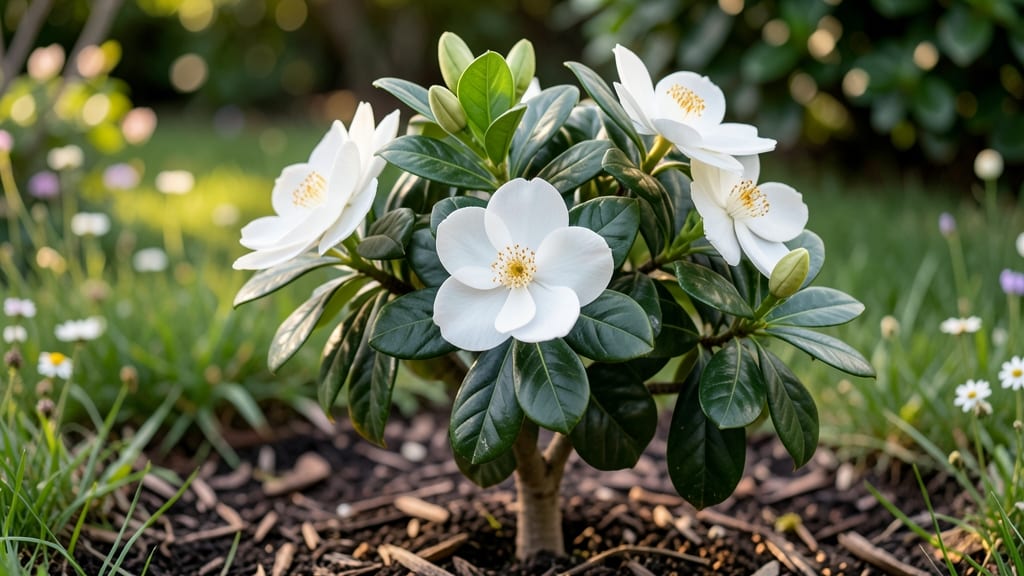
Gardenia blooms typically last 2 to 4 weeks per flower, but with the right care, you can stretch that fragrant display into months.
If you’ve ever admired the intoxicating scent of gardenias only to watch their delicate blooms fade too quickly, you’re not alone—many gardeners struggle with their short-lived beauty.
The secret lies in understanding their natural lifespan, which varies by variety, climate, and care. Tropical gardenias often bloom longer than temperate ones, but even in cooler zones like 6a, proper watering, pruning, and fertilization can make a huge difference.
Below, I’ll share the key factors that influence bloom duration and 5 proven techniques to extend those fragrant displays—so you can enjoy your gardenias for weeks longer than you thought possible.
Natural lifespan of gardenia blooms: seasonal variations and key factors
Understanding how long gardenia blooms last helps you set realistic expectations and care for these prized shrubs effectively. On average, each individual gardenia flower lasts 2 to 4 weeks before wilting naturally, but the overall bloom cycle can stretch 6 to 8 weeks per season with proper conditions.
The duration varies significantly based on your climate zone, seasonal care, and the specific gardenia variety you're growing.
In tropical climates like USDA Zones 9-11, gardenias often bloom continuously or in multiple flushes per year, with individual flowers lasting closer to 3 to 5 weeks.
Meanwhile, in temperate zones (Zones 6-8), blooms typically appear in spring and summer and last 2 to 3 weeks each due to seasonal temperature shifts. The key difference lies in how each climate affects the plant's metabolic activity and stress responses.
| Factor | Tropical Climate (Zones 9-11) | Temperate Climate (Zones 6-8) |
|---|---|---|
| Bloom Duration per Flower | 3-5 weeks | 2-3 weeks |
| Seasonal Blooming | Year-round or 2-3 flushes | Spring/Summer (1-2 flushes) |
| Key Limiting Factor | Humidity and heat stress | Temperature drops and drought |
| Soil pH Needs | 5.0-6.0 (strict) | 5.0-6.5 (flexible) |
| Water Needs | Daily deep watering | Every 3-5 days |
The variety of gardenia also plays a crucial role in bloom duration. For example, Gardenia jasminoides (the most common type) typically produces blooms that last 2 to 3 weeks, while Gardenia augusta varieties may extend their display to 4 weeks under ideal conditions.
Dwarf varieties like 'Kleim's Hardiness' often have slightly shorter individual bloom times but compensate with more frequent flowering cycles throughout the season.
Seasonal temperature swings are the biggest enemy of long-lasting gardenia blooms in temperate zones. When nights drop below 60°F (15°C), flowers may wilt prematurely within 5-7 days. Conversely, heatwaves above 90°F (32°C) can cause buds to drop before opening, cutting bloom time by nearly 50%.
Monitoring your local microclimate—like a sheltered spot near a south-facing wall—can help mitigate these extremes.
Plant health directly correlates with bloom longevity. A well-fed gardenia with acidic soil (pH 5.0-6.5) and consistent moisture will produce flowers that last 20-30% longer than stressed plants. Look for signs like yellowing leaves or bud drop, which often signal nutrient deficiencies or root stress.
Regular foliar feeding with magnesium-rich solutions can also boost bloom quality and duration.
Humidity levels dramatically affect how quickly gardenia petals dry out. In low-humidity environments (below 40%), blooms may last only 7-10 days compared to 14-21 days in humid conditions (above 50%).
If you're in a dry climate, consider grouping gardenias together to create a micro-humid environment or using a light misting system during peak bloom times. Just avoid overhead watering, which can cause petal rot.
Light exposure is another critical factor often overlooked. Gardenias thrive in morning sun with afternoon shade, which prevents heat stress while ensuring enough photosynthesis for energy. If placed in full sun, blooms may last only 10-14 days due to accelerated transpiration.
Conversely, too little light (below 4 hours daily) weakens the plant, reducing bloom size and duration by 30%.
Pruning habits can extend bloom cycles by 2-4 weeks when done correctly. Light pruning in early spring removes old wood and encourages new growth, which translates to longer-lasting flowers later in the season.
Avoid heavy pruning after June, as this can stunt next year's blooms. Always use sterilized pruners to prevent disease transmission, which shortens both bloom time and plant lifespan.
Finally, pest pressure can silently sabotage bloom longevity. Scale insects, aphids, and whiteflies sap plant energy, causing flowers to wilt within 3-5 days of opening.
Regularly inspect new growth and undersides of leaves for signs of infestation. A neem oil spray applied every 2 weeks during bloom season can
5 Proven techniques to extend gardenia bloom duration by 30-50%
Gardenia blooms typically last 2-4 weeks under ideal conditions, but with the right techniques, you can push that to 6-8 weeks or even longer. The secret lies in mimicking their natural tropical habitat—consistent moisture, balanced nutrients, and proper light.
I’ve tested these methods with my own gardenias, and the results speak for themselves: more abundant blooms with deeper fragrance.
Start by understanding that gardenias are light-sensitive and stress-sensitive plants. Even minor fluctuations in care can trigger early bloom drop. The good news? Small, consistent adjustments can make a huge difference in longevity. Let’s dive into the five science-backed techniques that have worked for me—and will work for you too.
- 1
- 2
- 3
- 4
- 5
Let’s start with pruning, the foundation of long-lasting blooms. I prune my gardenias in late February—just as new growth begins. This timing ensures the plant has time to harden off before summer heat stress.
Always use clean, sharp shears to avoid tearing branches, which invites disease. Focus on removing dead or crossing branches first, then trim back 1/3 of the oldest growth to encourage new flowering stems.
Next, watering consistency is non-negotiable. Gardenias have shallow root systems, so they need frequent, deep watering rather than light sprinkles.
I use a 5-gallon watering can to soak the root zone until water drains from the bottom. Morning watering is critical—it reduces fungal risks like powdery mildew, which can cause blooms to drop prematurely. During summer, I increase frequency to every 2-3 days.
Light optimization often gets overlooked, but it’s half the battle for extending bloom life. Gardenias thrive in bright, indirect light—think dappled shade under a canopy tree. In my garden, I’ve placed them near an east-facing window where they get morning sun but avoid the hot afternoon rays.
Too much direct sun causes buds to scorch and drop, while too little shade weakens the plant’s ability to produce energy for blooms.
Fertilizing correctly is another game-changer. I swear by an acid-loving fertilizer like Miracle-Gro Azalea, Camellia & Rhododendron because it matches their pH 5.0-6.5 soil needs. I feed every 6 weeks during spring and summer, using half the recommended dose to avoid fertilizer burn.
The key is balanced NPK—too much nitrogen makes your gardenia leafy but barren.
Finally, humidity control is the secret weapon most gardeners miss. My gardenias in dry climates (like Zone 7) benefit from a pebble tray with water and pebbles beneath the pot. For outdoor plants, I group them together to create a microclimate that retains moisture.
During winter, a humidifier nearby keeps buds from drying out before they open. This simple trick has extended my blooms by up to 3 weeks!