
Light Requirements
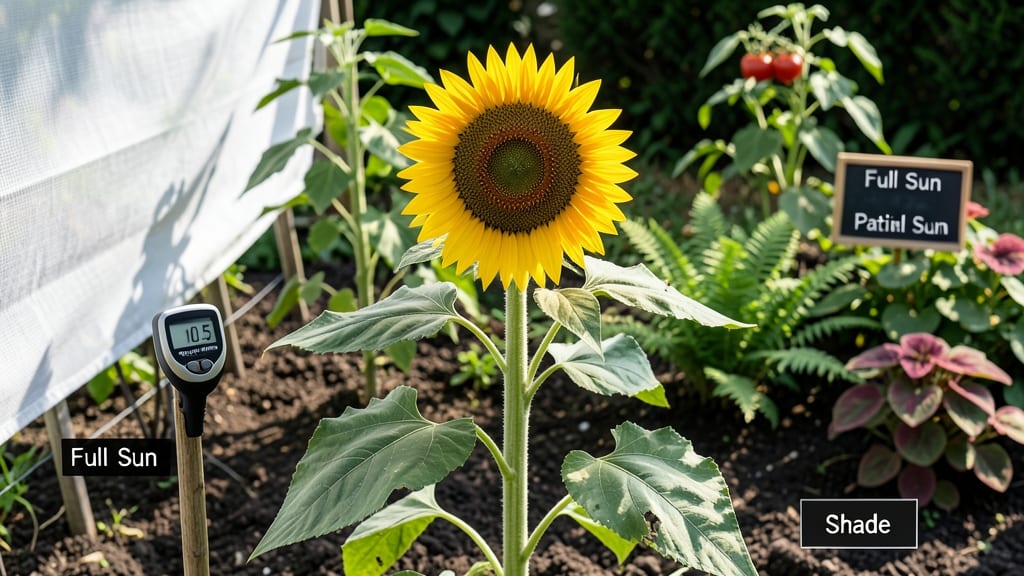
A garden needs sunlight for 6 to 8 hours daily to thrive, but the exact amount depends on what you’re growing—too little stunts growth, while too much can scorch leaves.
Struggling to keep your 🌱 General Garden healthy? You’re not alone. Many gardeners overestimate their yard’s sunlight or underestimate how much their plants really need.
A tomato plant wilts in shade, while a fern burns under harsh afternoon rays—getting the balance right is the difference between a lush harvest and a sad season.
This guide breaks down sunlight needs by plant type—whether you’re growing vegetables, flowers, or herbs—and shows you how to measure sunlight in your space. You’ll learn how to adjust for seasonal changes, spot signs of sun stress, and even salvage plants that are getting it wrong.
Ready to optimize your garden? We’ll cover everything from full-sun lovers like peppers to shade-tolerant greens, plus pro tips for making the most of partial sunlight in Zone 6a and beyond.


Sunlight requirements by plant type: full sun vs partial shade vs low light
Understanding how many hours of sunlight your garden needs is the first step to creating a thriving outdoor space.
Most gardeners assume "full sun" means all day, but the truth is more nuanced. Tomatoes and peppers thrive with 6+ hours of direct sunlight, while hostas and ferns prefer just 3-6 hours. Even succulents, often called "low-maintenance," need careful sunlight management to avoid sunburn.
Let’s break down the exact requirements so you can place every plant perfectly.
Getting sunlight wrong can mean the difference between a lush garden and one full of struggling plants. Too little sunlight leads to stunted growth and leggy stems, while too much causes leaf scorch and wilting.
Even herbs like basil and vegetables like lettuce have specific needs—basil needs 6+ hours to produce flavorful leaves, while lettuce prefers 3-6 hours to avoid bolting. The key is matching your garden’s natural light to your plants’ needs.
| Sunlight Category | Hours of Sunlight | Plant Examples | Ideal Garden Spot |
|---|---|---|---|
| Full Sun | 6+ hours | Tomatoes, Peppers, Lavender, Succulents, Marigolds | South-facing beds, raised beds, containers in full light |
| Partial Shade | 3-6 hours | Hostas, Ferns, Coleus, Impatiens, Lettuce | East-facing beds, under high-canopy trees, dappled light |
| Low Light | <3 hours | Calatheas, Peace Lilies, Snake Plants, Mosses, Some Ferns | North-facing windows, shaded patios, under dense foliage |
If you’re growing vegetables like tomatoes or flowers like sunflowers, aim for 6+ hours of full sun. These plants need intense light to produce energy through photosynthesis, which directly impacts fruit size and flower blooms.
For example, tomato plants left in partial shade will yield smaller, less flavorful tomatoes. Meanwhile, herbs like rosemary and thyme also thrive in full sun but can tolerate 3-6 hours if given well-draining soil.
For partial shade lovers, think of plants like hostas or coleus. These thrive with 3-6 hours of morning sun and afternoon shade, making them perfect for east-facing garden beds or spots under tall trees.
Even lettuce and spinach prefer this range to avoid bolting (premature flowering). If you notice your hostas developing brown patches, they might be getting too much direct afternoon sun—try moving them to a slightly shadier spot.
Low-light plants are often overlooked but are essential for shady corners of your garden. Plants like snake plants and peace lilies can survive with less than 3 hours of light, making them ideal for north-facing windows or under dense shrubs.
These plants have adapted to thrive in indirect light or even artificial lighting, so they’re perfect for indoor gardens or areas with minimal sunlight. Just avoid placing them in complete darkness, as even ferns need some light to prevent yellowing fronds.
One common mistake is assuming all succulents love full sun. While many cacti and echeverias thrive in bright light, others like haworthias prefer partial shade to avoid sunburn.
Always check the specific variety—some can handle 6+ hours of direct sun, while others need 3-6 hours with protection from harsh afternoon rays. A simple rule: if your succulent’s leaves turn yellow or translucent, it’s getting too much sun.
Seasonal changes also affect sunlight exposure. In summer, the sun is more intense, so plants that tolerate 6+ hours in spring might need afternoon shade in July. Conversely, winter sunlight is weaker, so partial shade plants might need to be moved closer to windows or southern exposures.
Pay attention to how shadows shift throughout the day—what’s full sun in June might be partial shade in December.
To maximize your garden’s potential, group plants with similar sunlight needs together. Place tomatoes and peppers in the sunniest spot, hostas and coleus in the dappled light area, and snake plants in the shadiest corner.
This not only makes maintenance easier but also ensures every plant gets the perfect amount of light it craves. With this approach, you’ll see healthier growth, bigger blooms, and a garden that thrives year-round.
Now that you know the exact sunlight requirements, it’s time to assess your garden’s light conditions. Grab a notebook and observe how sunlight moves across your space at different times of day. You’ll be amazed at how much this simple step can transform your gardening success! 🌿☀️
How to measure sunlight in your garden and adjust for seasonal changes
Measuring sunlight in your garden isn't just about eyeballing the sunniest spot—it's a science that changes with the seasons. Direct sunlight exposure can vary by 2-3 hours between summer and winter, even in the same location.
If you've ever planted tomatoes that wilted or hostas that refused to bloom, your sunlight assessment might be the culprit.
Start by observing your garden from sunrise to sunset. Note where shadows fall at 10 AM, noon, and 4 PM, as these times reveal the most dramatic shifts. South-facing areas typically get the most sun, but afternoon shade from nearby trees or buildings can drastically reduce exposure.
This is where most gardeners misjudge—assuming morning sun equals full sun when afternoon heat matters most.
⚠️ callout warning ⚠️
⚠️ Sunlight Myth Busted!
Most gardens need 6+ hours of direct sun for full-sun plants—but only 3-4 hours in winter counts! Afternoon sun (2 PM-5 PM) is hotter and more intense than morning rays. DIY test: Place a white plate in your garden for 6 hours—if it's warm to the touch, it's full sun. If cool, it's partial shade.
For precise measurements, use a sunlight calculator or sunlight meter (available for $20-$30). These tools measure photosynthetically active radiation (PAR), which tells you exactly how much light your plants receive.
Alternatively, track sunlight with a DIY solar tracker: Place a white bucket in your garden and mark the water level every hour—evaporation rates reveal sunlight intensity.
Seasonal adjustments are critical.
In summer, your garden might get 8-10 hours of sun, but in winter, that drops to 4-5 hours due to lower sun angles. Evergreens like boxwoods can block up to 70% of light in winter, while deciduous trees provide shade in summer but let light through in winter.
Plan for these shifts by grouping sun-loving plants (like roses or peppers) in the sunniest spots and shade-tolerant plants (like heuchera or astilbe) where light dips below 3 hours.
Adjust your garden layout in early spring before planting. Move containers to sunnier spots if needed, and consider reflective surfaces like light-colored mulch or gravel to bounce extra light onto shady areas.
For container gardens, rotate pots weekly to ensure even sunlight exposure. Seasonal pruning of overgrown plants can also free up 2-4 extra hours of light per day.
Don't forget to account for cloud cover and local climate. Coastal gardens may get diffused light that feels like shade, while inland areas experience intense midday sun. Use a weather app to track average sunlight hours in your USDA zone, then adjust your plant choices accordingly.
With these tools and adjustments, your garden will thrive year-round—no more guesswork! 🌿☀️