
Light Requirements
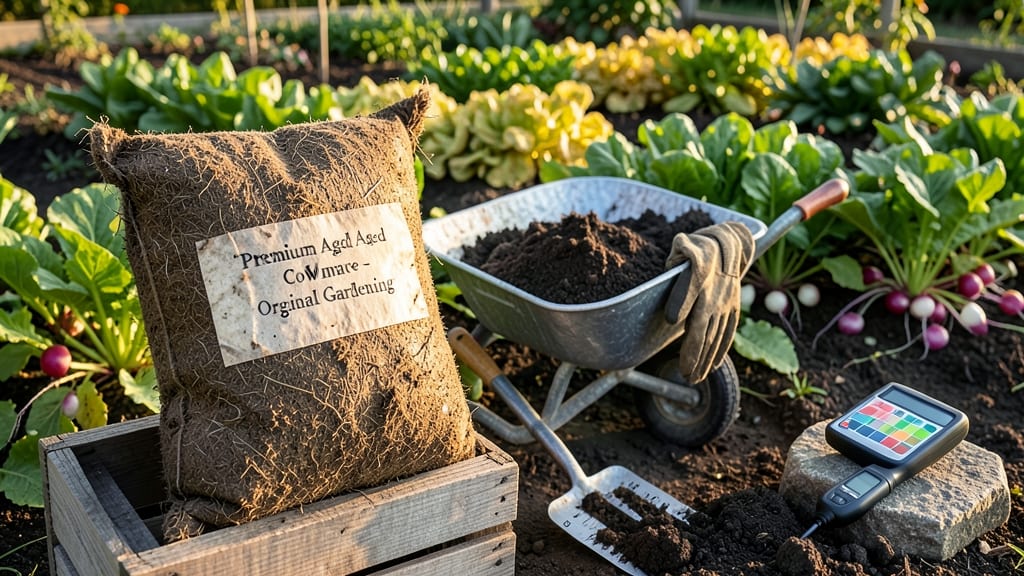
To determine how much manure for your garden, use 1–2 inches of well-aged composted manure per 12-inch soil layer for general planting, but dilute nitrogen-rich options like chicken manure (1 part to 3 parts soil). Always check soil pH first to prevent plant damage or pH imbalance.
Manure acts as a nutrient powerhouse, but its potency varies wildly depending on type and freshness. 🌱 Fresh manure can scorch plant roots with its high ammonia content, which is why aged compost (6–12 months) is ideal—it's gentler and safer.
For heavy feeders like tomatoes or roses, I often mix manure with compost or peat moss to balance nutrients without overwhelming the soil. The key is patience: letting manure break down first transforms it from a potential hazard into a garden superfood.
Another critical factor is your plants' preferences. Acid-loving blueberries or azaleas need manure with lower pH, while vegetables like lettuce or cucumbers thrive in slightly alkaline conditions. Testing your soil before application ensures you're not accidentally creating a hostile growing environment.
I've learned the hard way that skipping this step can lead to stunted growth or even plant death—so always test first!
💡 In This Article
- Manure Application Science: Nitrogen, Composting, and Soil pH
- Plant-Specific Manure Ratios and Safety Guidelines
Manure application science: nitrogen, composting, and soil pH
The magic of manure lies in its nitrogen content, which plants crave for leafy growth. Fresh manure contains 4-8% nitrogen by weight, but much of it exists as ammonia (NH₃), a volatile gas that burns tender roots when applied directly.
This is why aging manure for 6-12 months transforms it into a safer, more stable fertilizer—microbes convert the ammonia into nitrates (NO₃⁻), the form plants can actually absorb. Think of it as manure's "detox" period: the longer it composts, the gentler it becomes on your plants.
Composting creates two distinct heat phases that break down manure's raw power. During the "hot" phase (130-160°F), microbes rapidly decompose organic matter, reducing pathogens and weed seeds.
The "cold" phase follows, where slower decomposition stabilizes nutrients. 🔥 This process also alters soil structure—well-aged manure improves water retention by 20-30% compared to fresh applications. The key difference?
Fresh manure acts like a slow-release fertilizer with high risk, while composted manure becomes a balanced nutrient source with minimal risk of over-fertilization.
Soil pH plays a crucial role in whether manure benefits or harms your plants. Most vegetables prefer 6.0-7.0 pH, while acid-loving plants like blueberries thrive at 4.5-5.5 pH. Manure's pH varies wildly—chicken manure averages 7.5-8.5 (alkaline), while cow manure sits around 6.5-7.5.
Applying alkaline manure to acid-loving plants can raise soil pH by 0.5-1.5 points per application, potentially making nutrients like phosphorus and iron unavailable. This is why I always recommend testing soil pH before application—it's the difference between a thriving garden and one struggling with nutrient deficiencies.
The aging process also affects manure's carbon-to-nitrogen (C:N) ratio. Fresh manure typically has a 20:1 C:N ratio, meaning it needs more carbon to break down safely.
As it composts, this ratio drops to 10:1 or lower, making it more plant-friendly. 🌱 For example, well-aged horse manure with a 12:1 ratio can be spread directly at 1-2 inches per 12-inch soil layer, while fresh chicken manure (with 15:1 ratio) should be diluted 1:3 with soil to prevent nitrogen burns.
The texture changes too—fresh manure is coarse and crumbly, while composted manure becomes dark, crumbly, and almost soil-like in appearance.
One common mistake is assuming all manure works the same way. Take cow manure versus chicken manure: cow manure has 0.5-1% nitrogen and is gentler, while chicken manure contains 1-3% nitrogen and requires more dilution. The difference comes from diet—chickens eat protein-rich feeds, while cows graze on fibrous grasses.
This nutritional difference affects how quickly each breaks down and how much heat they generate during composting. For instance, chicken manure can reach 140°F during composting, while cow manure typically stays below 120°F.
Here's what happens when you skip proper aging: fresh manure releases ammonia gas (NH₃) that can raise soil pH by 0.3-0.8 points within 24 hours, creating a hostile environment for seedlings.
The smell alone—sharp, pungent ammonia—is your first warning sign. 💫 In contrast, well-aged manure smells earthy, like rich forest soil, with no ammonia odor. This is why professional gardeners often use manure tea (steeped in water for 24-48 hours)—it provides nutrients without the risk of burning.
The tea extracts soluble nutrients while leaving behind the bulk organic matter that improves soil structure.