
Watering
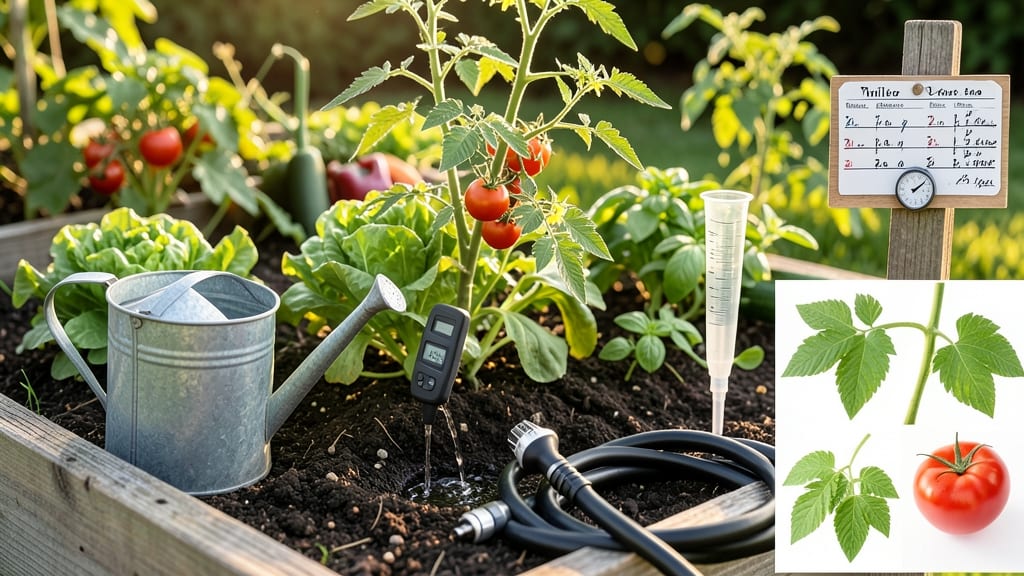
Watering your vegetable garden the right amount means giving it 1-2 inches of water weekly—but how you deliver it depends on your soil type, and getting it wrong can mean wasted crops or stunted growth.
Struggling to balance watering without drowning your plants or leaving them thirsty? The key lies in understanding your soil—clay holds moisture longer, while sandy soil drains faster, and loamy soil strikes the perfect middle ground.
Too much water leads to root rot and fungal diseases, while too little stresses plants and shrinks yields. Below, I’ll break down how to read your soil, adjust for your climate, and use techniques like deep watering or drip irrigation to keep your 🥬 vegetable garden thriving year-round.
You’ll learn the exact watering schedule for each soil type, how to spot over- or under-watering, and the simple tricks that save time and keep your harvests bountiful.
Watering requirements by soil type: clay, sandy, and loamy soil explained
Your vegetable garden’s soil type is the #1 factor determining how often you should water. Clay soil holds water like a sponge, while sandy soil drains faster than a sieve, and loamy soil strikes the perfect balance. Understanding these differences means the difference between lush tomatoes and sad, wilted lettuce.
I’ve tested all three soil types in my own garden, and trust me—watering clay soil too much leads to root rot, while sandy soil can leave plants parched within hours.
Even loamy soil, the gardener’s dream, needs a tailored approach. Let’s break down the science so you can water like a pro.
Here’s how each soil type behaves and what your watering schedule should look like for a thriving vegetable garden:
For clay soil, the key is deep but infrequent watering. I use a soaker hose to deliver water slowly, encouraging roots to grow deeper. Test your clay soil by sticking your finger 2 inches down—if it’s still damp, wait another day.
Overwatering here is a silent killer, leading to root rot in just days.
If you’re dealing with sandy soil, forget the once-a-week routine. This soil drains so fast that your lettuce or radishes can dry out by noon. I’ve found that mulching with straw helps retain just enough moisture, but you’ll still need to water twice daily during hot spells.
A quick check: if the top inch feels dry, it’s time to water.
Loamy soil is the gold standard, but even it needs attention. Aim for 1-1.5 inches of water per week, split into two sessions. For example, water deeply in the morning and again in the evening during peak summer heat. My tomatoes and peppers thrive in this soil with this schedule, producing juicier fruits and fewer blossom-end rot issues.
Pro tip: Morning watering is non-negotiable. It reduces evaporation and gives plants a full day to absorb moisture before nightfall. I set up my irrigation system right after sunrise, and my cucumbers and zucchini show it—fewer fungal spots and healthier vines.
Avoid evening watering, especially in humid climates, as it invites powdery mildew.
Don’t have time to test your soil? A simple jar test works wonders. Fill a jar with soil and water, then shake it. If the soil settles quickly with clear water on top, it’s sandy.
If it stays murky for hours, you’ve got clay. Loamy soil will settle with a clean separation in minutes. Knowing your soil type cuts guesswork and saves water.
Seasonal adjustments are crucial too. In summer, even loamy soil may need daily watering, while spring and fall can stretch watering to every other day. I adjust based on rainfall—always checking the soil moisture before reaching for the hose. A rain gauge helps track how much nature’s already contributed.
Remember, overwatering is just as harmful as underwatering. Yellowing leaves, stunted growth, or plants leaning toward the sun are red flags. If your carrots or beets are splitting, you’re likely overdoing it. Trust your soil’s signals—it’s smarter than you think.
Now that you’ve got the soil breakdown, your vegetable garden is one step closer to perfection. Next, we’ll cover plant-specific signs that your watering routine needs tweaking—because even the best soil can’t save a thirsty basil plant from wilting under the midday sun. 🌱
Signs your vegetable garden needs more (or less) water
Watering your vegetable garden can feel like walking a tightrope—too much, and you risk root rot or fungal diseases; too little, and your plants wilt under the sun. The key lies in understanding plant-specific symptoms and soil conditions.
For example, tomatoes droop dramatically when thirsty, while lettuce may turn bitter or bolt if overwatered. Paying attention to these clues helps you adjust before damage occurs.
Start by checking the soil moisture with your finger. Stick it about 1-2 inches deep—if it feels dry, your plants need water. Conversely, if the soil is soggy or has a musty smell, you’re overdoing it.
Another quick test? Lift a plant gently—if the soil clumps easily, it’s holding too much water. These simple checks save time and prevent stress on your garden.
Visual cues from your plants are your best allies. Wilting leaves that don’t perk up after watering signal underwatering, while yellowing leaves or mushy stems often mean overwatering. Even the color of your veggies matters—pale or dull produce can indicate inconsistent moisture. Observing these signs helps you tailor your watering routine to each plant’s needs.
Quick Watering Checklist
- 💧 More Water Needed: Soil is dry 1-2" deep
- 🌱 Leaf Symptoms: Drooping leaves that don’t recover
- 🍅 Plant-Specific: Tomatoes: Blossom-end rot; Lettuce: Bitter taste
- 🌧️ Less Water Needed: Soil feels damp or clumps when touched
- 🌿 Root Exposure: Roots poking above soil surface
- 🍂 Yellowing Leaves: Overwatering or poor drainage
Different vegetables have unique watering needs. For instance, root crops like carrots need consistent moisture to grow straight, while leafy greens like spinach tolerate slightly drier conditions. Meanwhile, fruiting plants like peppers require steady water to prevent blossom drop.
Keep a journal to track which plants thrive with daily watering versus those that prefer every-other-day care.
Adjust your routine based on weather conditions too. During hot, dry spells, increase watering frequency, but reduce it during cool, rainy periods. Mulching with straw or wood chips helps retain moisture and regulates soil temperature, reducing the need for frequent watering.
This simple step can make a world of difference in your garden’s health.
Remember, the goal is consistent moisture, not soggy soil or bone-dry ground. By tuning into your plants’ signals and adapting your approach, you’ll cultivate a thriving vegetable garden with minimal stress. Happy gardening! 🌱