Size
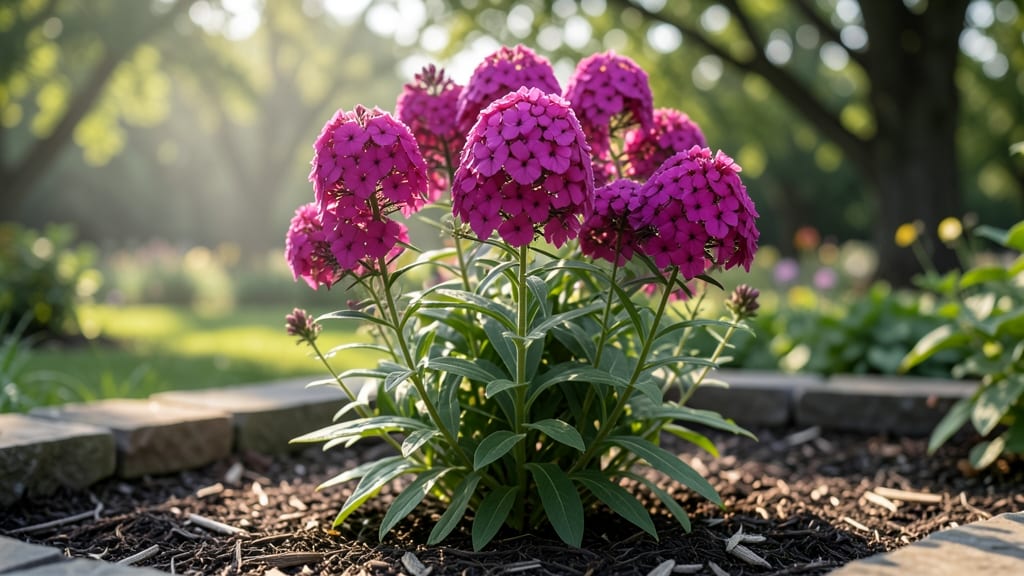
Garden phlox 🌸 can grow anywhere from 1 foot to over 5 feet tall, depending on the variety and growing conditions—so knowing the right height for your space is key to creating a stunning summer display.
If you’re dreaming of vibrant summer blooms but struggling to plan your garden layout, the height of your garden phlox varieties could be the game-changer you need. Some stay compact, perfect for borders or containers, while others reach towering heights that make them standout back-of-the-bed stars.
For gardeners in USDA Zone 6a, where phlox thrives, choosing the right variety means balancing beauty and practicality. Dwarf types like 'Little Dorrit' stay under 2 feet, while tall varieties like 'David' can stretch to 5 feet or more—ideal for cutting gardens or adding drama to mixed borders.
In this guide, we’ll break down how to select phlox based on your garden’s needs, from pruning tips to prevent flopping in tall varieties to the best placement for compact blooms. Ready to plan your perfect phlox display?


Garden phlox height ranges by variety: compact to towering options
Garden phlox (Phlox paniculata) is one of the most versatile summer bloomers, offering height variations that can transform your garden from low borders to back-of-bed statements.
Whether you're designing a cottage garden or a modern landscape, choosing the right phlox height ensures your plants thrive in their intended space without overcrowding neighbors. The key is understanding how each variety matures—some stay under 2 feet while others reach 5 feet or more.
For first-time growers, the height difference between dwarf and tall phlox can be surprising. A dwarf variety like 'Lipstick' might stay neatly at 18 inches, perfect for edging, while 'David' can soar to 5 feet, demanding staking and strategic placement.
This range lets you mix heights for visual interest, creating layers that frame pathways or soften fences. Let’s explore the height spectrum so you can pick phlox that fits your garden’s vision.
| Variety | Height Range | Ideal Planting Spot | Bloom Time |
|---|---|---|---|
| 'Lipstick' (Dwarf) | 18–24 inches | Front borders, containers, rock gardens | Mid to late summer |
| 'Jeana' (Semi-Dwarf) | 24–30 inches | Mid-border, mixed beds | Early to mid summer |
| 'David' (Standard) | 4–5 feet | Back of borders, cut flower gardens | Late summer |
| 'Blue Paradise' (Tall) | 3–4 feet | Mass plantings, cottage gardens | Mid to late summer |
| 'White Delight' (Medium) | 2.5–3.5 feet | Back of borders, pollinator gardens | Late summer |
Dwarf varieties like 'Lipstick' are my go-to for container gardens or window boxes, where their 18–24 inch stature prevents them from overwhelming smaller spaces. Their compact growth also makes them ideal for edging pathways or filling gaps in perennial beds.
The pink blooms contrast beautifully with lavender or salvia, creating a low-maintenance yet striking display.
Semi-dwarf options like 'Jeana' strike a balance, reaching 24–30 inches—tall enough to add height to mid-border plantings but not so imposing they block views. This makes them perfect for mixed perennial beds where you want to layer height and texture.
Pair them with black-eyed Susans or coneflowers for a long-blooming combination that thrives from early to mid-summer.
Tall varieties like 'David' and 'Blue Paradise' are the dramatic stars of the garden, often reaching 4–5 feet. These are my cut flower favorites—their long stems hold up well in bouquets, and their late-summer blooms extend the cutting garden season.
However, their height demands staking and spacious planting to prevent flopping or shading out smaller plants below.
Medium-height phlox like 'White Delight' are the workhorses of garden design, offering versatility without the maintenance of taller varieties. At 2.5–3.5 feet, they’re ideal for back-of-border plantings or pollinator gardens, where their fragrant blooms attract bees and butterflies.
Their late-summer timing also bridges the gap between early bloomers like peony and fall favorites like asters.
When planning your garden, consider the mature height of each variety relative to its neighbors. For example, pairing tall phlox (4+ feet) with shorter perennials like sedum (1–2 feet) creates a natural tiered effect.
In containers, stick to dwarf or semi-dwarf varieties to avoid top-heavy pots that tip over in wind or rain. Always space plants according to their mature width (typically
How to choose phlox height based on garden design needs
Selecting the right phlox height for your garden isn’t just about aesthetics—it’s about creating a functional, balanced layout that thrives all season long. Tall phlox varieties (3–5 ft) make stunning backdrops, while dwarf phlox (1–2 ft) shine in borders or containers.
The key is matching your garden design style with the phlox’s mature stature to avoid overcrowding or awkward gaps.
For example, a 4-foot-tall phlox like 'David' thrives in mixed borders, while compact varieties such as 'Lipstick' (18 inches) fit perfectly in window boxes or front-of-bed plantings.
Pairing the right height with companion plants—like shorter salvias or coreopsis—creates visual harmony and supports plant health by filling gaps in the garden’s layers.
🌸
Phlox Height Guide: Pros & Cons by Garden Use
Tall Phlox (3-5 ft)
- Pros: Dramatic backdrop for borders, cut flowers for arrangements
- Cons: Needs staking, may flop in wind
Best for: Back-of-bed plantings, perennial gardens
Medium Phlox (2-3 ft)
- Pros: Versatile for mixed borders, pollinator-friendly
- Cons: May outgrow small spaces
Best for: Mid-height layers, container gardens
Dwarf Phlox (1-2 ft)
- Pros: Perfect for borders, window boxes, low maintenance
- Cons: Limited cutting height, shorter bloom display
Best for: Front-of-bed, container gardens
When planning your garden layout, consider the mature height of phlox alongside other plants. For instance, pairing a 5-foot-tall phlox like 'Blue Paradise' with 3-foot coneflowers creates a natural, layered effect.
In containers, dwarf varieties like 'Blue Moon' (18 inches) pair beautifully with lavender or catmint to add texture and color without overwhelming the space.
For container gardening, choose compact phlox varieties to avoid root competition. A 12-inch-tall phlox like 'Emerald Blue' thrives in 10–12-inch pots with thyme or sedum, creating a self-contained, low-maintenance display.
In border plantings, stagger heights—place taller phlox at the back and shorter varieties in front—to create depth and draw the eye through the garden.
Pro tip: If you love tall phlox but worry about flopping, opt for varieties like 'Jeana' (4 ft) with naturally sturdy stems. For added support, plant them near trellises or ornamental grasses like maiden grass, which provide both structural backup and visual contrast.
With the right height selection, your phlox will not only thrive but also elevate your garden’s design effortlessly.
🌿