
How To
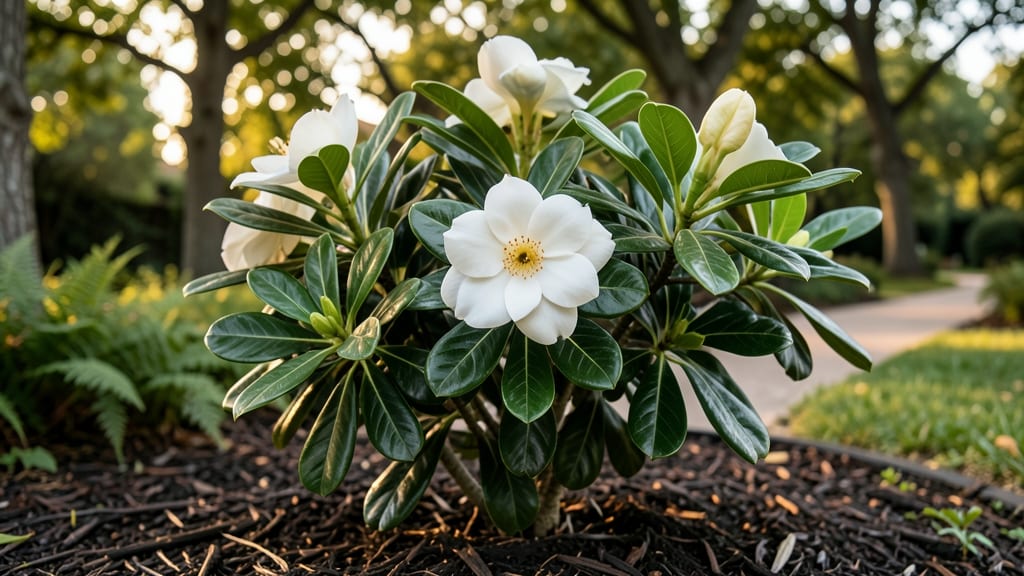
A gardenia how tall does a gardenia grow at maturity can vary between 3 and 6 feet, depending on the variety and care you provide—so yes, your dream of fragrant blooms doesn’t mean sacrificing space.
If you’ve ever dreamed of filling your garden with intoxicatingly sweet blooms but worry about gardenias becoming unruly giants, you’re not alone—many gardeners underestimate their growth potential until it’s too late.
With the right pruning and placement, you can keep your gardenia at a manageable 2–3 feet, perfect for borders or containers. The key is understanding how sunlight, soil, and seasonal care influence height—whether you’re growing the compact ‘Radicans’ or the taller ‘Kleim’s Hardy’.
Below, I’ll show you how to control gardenia height through pruning, the best spacing for your yard, and how to avoid common mistakes that turn a 3-foot shrub into a 6-foot monster.


Natural gardenia growth height: what to expect by variety and conditions
If you’ve ever planted a gardenia, you know their fragrant blooms are worth the effort—but their growth habits can surprise even experienced gardeners. While some varieties stay compact, others can reach tall shrub heights of 6 feet or more.
Understanding these height differences helps you plan your garden layout and manage growth effectively.
Gardenia growth depends on variety selection, climate conditions, and care practices. A dwarf gardenia might stay under 2 feet, while standard varieties can tower over your patio furniture.
Below, we break down what to expect based on your specific gardenia type and how to control their height naturally.
| Variety | Mature Height | Growth Rate | Sunlight Needs | Climate Suitability |
|---|---|---|---|---|
| Dwarf Gardenia (e.g., 'Radicans') | 1–2 ft | Slow to moderate | Partial shade (4–6 hrs) | Zones 8–10 (container-friendly) |
| Semi-Dwarf (e.g., 'Kleim's Hardy') | 2–3 ft | Moderate | Partial shade (5–6 hrs) | Zones 7–10 (hardier) |
| Standard (e.g., 'Gardenia jasminoides') | 4–6 ft | Fast | Partial shade (6+ hrs indirect) | Zones 8–11 (tropical) |
| Weeping Gardenia (e.g., 'Veitchii') | 3–5 ft (spreading) | Moderate | Partial shade (morning sun) | Zones 9–11 (humid climates) |
Note: Heights are approximate; pruning and care can adjust growth by 20–30%.
Young gardenias grow slowly in their first year, often reaching just 1–2 feet tall. This initial growth helps roots establish, but by year 3, many varieties will have doubled in height if given ideal conditions.
For example, a standard Gardenia jasminoides might be 3 feet tall by year 3 but won’t reach its full 6-foot potential until year 5 or later.
Sunlight plays a critical role in height control. Gardenias in full sun (6+ hours direct light) grow taller and leggier as they stretch toward light. In contrast, partial shade (morning sun + afternoon shade) encourages compact, bushier growth.
If your gardenia is outgrowing its space, moving it to a shadier spot can slow vertical growth by up to 30%.
Soil acidity also affects height. Gardenias thrive in acidic soil (pH 5.0–6.5). If your soil is alkaline, roots struggle to absorb nutrients, leading to stunted or uneven growth.
Amend the soil with peat moss or sulfur to maintain the right pH. Over time, this adjustment can prevent excessive height spikes caused by nutrient deficiencies.
Climate zones matter too. In warmer zones (8–11), gardenias grow faster and taller year-round. In cooler zones (7 or below), growth slows in winter, and gardenias may stay shorter and bushier.
If you live in a transition zone, protect your gardenia with mulch and winter wraps to encourage steady, controlled growth.
Pruning isn’t just for shaping—it’s a key tool for height management. Light pruning after flowering removes up to 25% of new growth, keeping your gardenia compact and full.
Avoid heavy pruning in late summer, as this can stimulate weak, leggy growth before winter. Instead, prune in early spring to guide height naturally.
Container-grown gardenias stay shorter than in-ground plants because root growth is restricted. A dwarf variety in a 15-gallon pot might max out at 2 feet tall, while the same plant in the ground could reach 3–4 feet.
If you’re growing gardenias in pots, choose smaller varieties and repot every 2–3 years to prevent root-bound stress, which can cause sudden height surges.
For gardeners in small spaces or urban gardens, dwarf varieties like 'Radicans' are ideal—they stay under 2 feet tall and thrive in containers.
Even standard varieties can be pruned to treelike forms with a single trunk and horizontal branches, creating a neat, controlled silhouette that fits patio gardens or small yards.
Remember: Patience is key. Gardenias grow slowly at first but can surge in height once established. By understanding your specific variety’s tendencies and adjusting light, soil, and pruning, you’ll keep your gardenia’s growth in check while enjoying its lush blooms and heavenly scent for years to
Pruning techniques to control gardenia height and shape
If your gardenia is reaching for the sky faster than you’d like, don’t panic—pruning is your secret weapon for shaping these fragrant shrubs. The key is timing and technique, as gardenias respond beautifully to gentle guidance.
Unlike aggressive pruning, which can stress the plant, we’ll focus on selective trimming that maintains height while encouraging lush, bushy growth. Think of it as sculpting your garden’s living centerpiece!
Before you grab your pruners, remember that gardenias bloom on new wood, meaning they produce flowers on current season’s growth. This makes pruning slightly more flexible than with plants that flower on old wood.
We’ll use this knowledge to our advantage, trimming just enough to control height without sacrificing those iconic white blooms. Let’s get started with the right tools and timing for success.
Step-by-Step Pruning Guide for Gardenias
-
Step 1: Choose the Right Time
Prune immediately after the blooming season (late summer to early fall) to avoid cutting off next year’s buds. Never prune in winter—gardenias are sensitive to cold stress. -
Step 2: Gather Your Tools
Use clean, sharp pruners (sterilized with rubbing alcohol) and gloves—gardenia leaves can irritate skin. Avoid dull tools that tear stems. -
Step 3: Identify Target Branches
Look for overly tall stems or those growing inward. Focus on branches that are 1/3 taller than your desired height—these are prime candidates for trimming. -
Step 4: Make Clean Cuts
Cut just above a leaf node (the bump where leaves attach) at a 45-degree angle. This encourages new growth from the node below. -
Step 5: Shape for Bushiness
Trim backward-growing branches to open the center of the shrub. This improves airflow and sunlight penetration, which reduces disease risk. -
Step 6: Fertilize After Pruning
Apply a balanced fertilizer (10-10-10) to support new growth. Water deeply to help the plant recover from the stress of pruning. -
Step 7: Monitor Growth
Check your gardenia monthly during the growing season. Light trims can maintain shape, while heavy pruning should only occur every 2-3 years.
For dwarf varieties like ‘Radicans,’ you’ll want to keep trims minimal—just enough to remove dead or crossing branches. These varieties naturally stay under 2 feet tall, so aggressive pruning can stunt their growth.
Meanwhile, standard varieties (4-6 feet) benefit from more structured pruning to maintain a balanced shape and prevent legginess.
Pro tip: If your gardenia is top-heavy with too many flowers, prune one-third of the oldest stems to encourage younger, stronger growth. This rejuvenates the plant while keeping it compact. Always step back and admire your work—pruning is as much about art as it is about science!
Remember, gardenias are slow growers, so patience is key. With consistent, gentle pruning, you’ll enjoy a perfectly sized shrub bursting with fragrant blooms for years to come. Happy pruning!