
How To
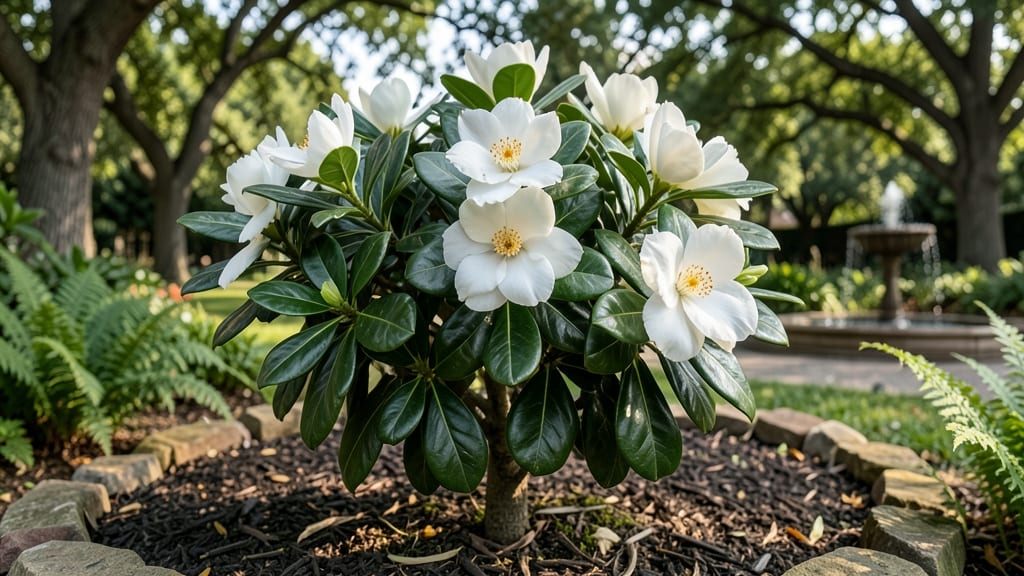
If you’ve ever wondered why your 🌸 gardenia stays stubbornly compact—or why some neighbors’ plants tower over yours—you’re not alone. The difference often comes down to pruning, sunlight, and the specific type of gardenia you’re growing.
With the right care, you can encourage taller, showier blooms or keep them neatly trimmed for a polished look.
Most gardenias in Zone 6 default to a medium height of 3–4 feet, but some varieties—like the Gardenia jasminoides—can reach up to 6 feet if left unpruned.
Pruning in late winter or early spring is the key to controlling their height while keeping them lush and full of fragrant flowers.
Below, I’ll break down the height ranges by variety, share expert pruning secrets to manage size, and give you spacing tips to ensure your gardenia thrives—whether you want it tall and dramatic or neatly contained.


How tall gardenias grow: height ranges by variety and pruning style
Gardenias are stunning shrubs prized for their fragrant white blooms and glossy leaves, but their mature height varies dramatically depending on the variety and care.
The most common species, Gardenia jasminoides, typically reaches 3 to 6 feet tall, while tropical varieties like Gardenia augusta can soar up to 12 feet in ideal conditions. Understanding these differences helps you plan your garden layout and pruning strategy.
Your gardenia’s height isn’t set in stone—it’s influenced by genetics, pruning habits, and growing conditions. For example, a dwarf gardenia like 'Radicans' stays under 2 feet tall, while a standard variety like 'Kleim’s Hardy' can easily exceed 6 feet if left unpruned.
Even the same plant can grow taller with minimal pruning or stay compact with regular trimming.
Here’s how to visualize the height potential of popular gardenia varieties and how pruning affects their growth trajectory:
| Variety | Natural Height Range | Pruned Height Potential | Best For |
|---|---|---|---|
| Gardenia jasminoides (Standard) | 4–6 feet | 3–5 feet (light pruning) | Borders, hedges, or specimen plants |
| 'Radicans' (Dwarf) | 1–2 feet | 1–1.5 feet (minimal pruning) | Containers, window boxes, or small gardens |
| 'Kleim’s Hardy' (Cold-Hardy) | 5–8 feet | 4–6 feet (regular pruning) | Privacy screens, large landscapes |
| Gardenia augusta (Tropical) | 8–12 feet | 6–10 feet (structured pruning) | Tropical gardens, large estates |
| 'Fortuniana' (Hybrid) | 3–5 feet | 2–4 feet (heavy pruning) | Bushy hedges, foundation plantings |
If you’re growing gardenias in containers or small spaces, varieties like 'Radicans' are perfect—they stay under 2 feet tall and thrive with minimal pruning. For taller gardenias, like 'Kleim’s Hardy', plan for 6+ feet of vertical space and prune annually to maintain shape.
Aggressive pruning in late winter or early spring can reduce height by up to 30%, while light trimming after blooming encourages bushier growth.
One common mistake is assuming all gardenias grow the same height. For instance, Gardenia augusta can become a small tree if unchecked, while dwarf varieties may flop over without support.
Always check the variety’s tags or grower notes to predict mature size. This avoids overcrowding and ensures your gardenia has room to flourish without competing for sunlight or nutrients.
Light pruning—removing only dead or overgrown branches—lets gardenias reach their natural height potential. However, if you want a compact, bushy shape, prune back by one-third each year after flowering. This promotes denser foliage and more blooms while keeping the plant under control.
For example, a 6-foot gardenia pruned this way might stay around 4 feet tall while producing twice as many flowers.
Pruning timing matters too. Spring pruning encourages new growth and blooms, while fall pruning can leave the plant vulnerable to cold damage. Always use sterilized shears to avoid spreading disease, and never prune more than 25% of the plant at once.
This prevents shock and ensures your gardenia recovers quickly for the next growing season.
For gardeners in colder climates (Zones 7–9), cold-hardy varieties like 'Kleim’s Hardy' are ideal—they tolerate light frosts and can grow taller without the risk of dieback. In warmer zones (10–11), tropical varieties like Gardenia augusta thrive but may need support stakes to handle their height and weight.
Always match your variety to your climate to avoid stunted growth.
Pro tip: If your gardenia isn’t growing as tall as expected, check its light exposure. Gardenias need bright, indirect light—too much shade stunts growth, while direct afternoon sun can scorch leaves.
A south-facing window or morning sun with afternoon shade is ideal for container-grown plants. For in-ground gardenias, plant them where they’ll receive 4–6 hours of morning sunlight daily.
🌸
Pruning secrets to control gardenia height and boost blooms
Pruning is the secret weapon for shaping your gardenia’s height while maximizing those fragrant blooms. Most gardeners make the mistake of pruning at the wrong time or cutting too aggressively, which can stunt growth or invite pests and diseases.
The key lies in timing, technique, and knowing how much to trim based on your desired height goals.
If you’re aiming for a compact gardenia bush (like the popular Gardenia jasminoides), you’ll want to prune more frequently to encourage bushier growth. For taller varieties (like Gardenia augusta), strategic pruning helps maintain a balanced shape without sacrificing height.
Let’s break down the step-by-step process to get the perfect height for your space.
How Tall Gardenias Grow Without Pruning
Left unpruned, gardenias can reach 6-12 feet tall, but this takes years. Most varieties grow 1-2 feet per year naturally. Aggressive pruning can reduce height by 30-50%, while minimal pruning lets them reach their full potential height.
Over-pruning in one season can shock the plant, leading to stunted growth or fewer blooms.
Start by pruning your gardenia in late winter or early spring, just as new growth begins. This is the best time to shape the plant because it encourages healthy spring blooms.
Avoid pruning in fall or winter, as this can leave your gardenia vulnerable to cold damage and pests. Always use clean, sharp pruners to make clean cuts at a 45-degree angle, about 1/4 inch above a leaf node.
For height control, focus on trimming the topmost growth to encourage branching. If your gardenia is too leggy, prune back by 1/3 of its height to promote a fuller shape.
Never remove more than 30% of the plant in a single session, or you risk stressing the shrub. Thin out overcrowded branches to improve airflow, which reduces the risk of fungal diseases like powdery mildew.
Boost blooms by pruning spent flowers (deadheading) throughout the growing season. This redirects the plant’s energy toward new flower production instead of seed development. In late summer, give your gardenia a light trim to prepare it for fall blooming.
Avoid heavy pruning at this time, as it can delay next year’s flowers. Always fertilize after pruning to support new growth.
Common pruning mistakes include cutting into old wood (which won’t regrow) or pruning too close to the stem’s center, which can leave unsightly stubs. Another pitfall is overwatering after pruning, which can cause root rot.
Instead, water deeply but moderately for the first week after trimming to help the plant recover. With the right approach, you’ll have a balanced, blooming gardenia that fits your space perfectly.