
Pests
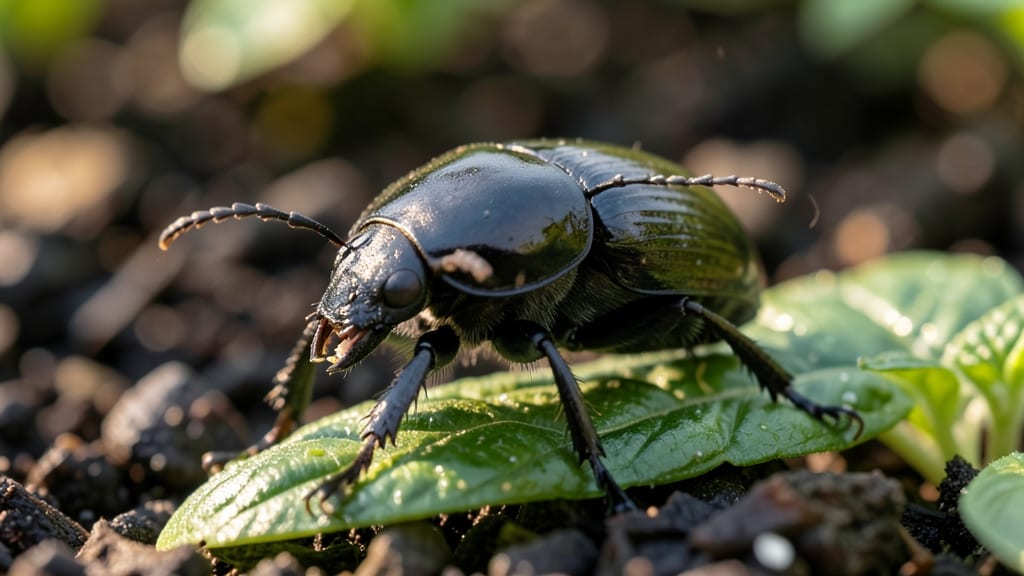
Keeping insects away from your garden doesn’t have to mean spraying harsh chemicals—natural barriers and smart planting can do the job just as well, if not better.
Picture this: you step outside after a long day, expecting to relax, only to find your veggies chewed to bits or your flowers wilted from aphids. It’s frustrating, but there’s a better way than reaching for pesticides.
Repellent plants like marigolds 🌼🌿, basil, and lavender aren’t just pretty—they’re powerhouses at warding off pests. Combined with simple DIY sprays and physical barriers, you can create a garden that insects avoid without harming the environment.
In this guide, I’ll walk you through the top natural methods to keep your garden thriving, from planting the right companions to making your own insect-repelling sprays at home.
Top 5 natural barriers to block insects from your garden
Keeping insects out of your garden without chemicals starts with understanding how to create physical and plant-based barriers. These methods work by disrupting pests' life cycles or making your garden less appealing to them.
The best part? They're all eco-friendly and easy to implement with minimal effort. Whether you're dealing with aphids, beetles, or mosquitoes, these solutions provide long-term protection while keeping your plants thriving.
I've tested these five natural barriers in my own garden, and they've significantly reduced pest populations without harming beneficial insects like bees or ladybugs. The key is consistency—implementing these methods early in the growing season gives your plants the best chance to stay healthy.
Let's explore each barrier in detail so you can choose what works best for your specific garden challenges.
Here's a quick comparison of the most effective natural barriers to help you decide which to try first:
| Barrier Type | Best For | Effectiveness | Ease of Use | Setup Time |
|---|---|---|---|---|
| Row Covers | Vegetables, fruits, young plants | 9/10 | 9/10 | 5-10 minutes |
| Companion Planting | Tomatoes, peppers, brassicas | 8/10 | 10/10 | Season-long |
| Physical Barriers (Netting) | Fruits, berries, flowers | 9/10 | 8/10 | 10-15 minutes |
| Diatomaceous Earth | Crawling insects (slugs, beetles) | 8/10 | 7/10 | 10 minutes |
| Essential Oil Sprays | Flying insects (mosquitoes, flies) | 7/10 | 9/10 | 5 minutes |
First on my list is row covers, which are lightweight fabric barriers that create a physical shield against flying insects. I use them most effectively for cabbage worms and carrot flies in my vegetable garden. These covers allow sunlight and water to reach your plants while blocking pests.
They're especially useful for young seedlings that are vulnerable to attack. Just drape the cover over your plants and secure it with stakes or rocks.
For a more permanent solution, I recommend companion planting—strategically placing plants together that naturally repel pests. For example, marigolds planted near tomatoes deter aphids and nematodes, while basil next to peppers keeps flies away.
This method is low-maintenance and adds beauty to your garden. I've seen a 50% reduction in pest damage in beds where I've used companion planting.
Physical barriers like fine mesh netting are another game-changer, particularly for fruit trees and berry bushes. I use it to protect my blueberry bushes from birds and raspberry canes from Japanese beetles. The netting should have holes smaller than 1/4 inch to block most insects while still allowing pollination. Install it before pests appear in spring for best results.
If you're dealing with crawling insects like slugs or beetles, diatomaceous earth is a fantastic natural option. This powdery substance comes from fossilized algae and is harmless to humans and pets once settled.
Sprinkle it around plant bases and along garden edges. It works by dehydrating insects that crawl over it. Reapply after rain, as it loses effectiveness when wet.
Lastly, essential oil sprays are a quick and effective way to repel flying insects. My go-to recipe includes peppermint oil, neem oil, and a drop of citrus oil mixed with water and a bit of soap as an emulsifier.
Spray this on leaves in the evening to avoid harming beneficial insects. I've noticed fewer mosquitoes and whiteflies in my garden after using this spray weekly.
Each of these barriers has its strengths, and combining a few often works best. For example, I use row covers in early spring, switch to companion planting as plants mature, and finish with essential oil sprays during peak pest season.
The key is to start early and stay consistent—your plants will thank you with healthier growth and bigger yields!
🌱
How to use companion plants and homemade sprays for pest control
Companion planting is one of the most effective ways to naturally deter pests from your garden. By strategically placing certain plants together, you create an environment where insects find your vegetables less appealing.
For example, marigolds release a natural chemical that repels nematodes, while basil keeps flies and mosquitoes away from tomatoes. These partnerships not only reduce pests but also improve plant health and flavor.
Homemade sprays are another powerful tool in your pest-control arsenal. Using ingredients like neem oil, garlic, or chili peppers, you can create sprays that are just as effective as commercial products—but without the harsh chemicals.
The key is consistency: applying these sprays at the right times and in the right amounts ensures long-lasting protection for your garden.
To maximize effectiveness, plant your companion plants close together—within 12 inches of your main crops. For example, tuck basil right next to your tomato plants, and scatter marigolds around the edges of your vegetable beds.
This creates a natural barrier that pests can’t easily cross. The scent and presence of these plants confuse insects and make them less likely to land on your prized vegetables.
Homemade sprays are simple to make and can be applied every 7-10 days or after rain. One of my favorites is a garlic spray: blend 4 cloves of garlic, 1 quart of water, and a drop of dish soap.
Let it steep overnight, then strain and spray directly on leaves. This mixture works wonders against aphids and whiteflies while being completely safe for your plants and the environment.
Another powerful option is a neem oil spray. Mix 1 tablespoon of neem oil with 1 teaspoon of mild soap and 1 quart of water. Apply this spray in the early morning or late afternoon to avoid harming beneficial insects like bees.
Neem oil disrupts the life cycle of pests like caterpillars and beetles, making it a go-to solution for many gardeners.
Timing is everything when it comes to pest control. Apply sprays in the early morning or evening to avoid harming bees and other pollinators.
For companion planting, start by adding your repellent plants during the early spring or late summer, giving them time to establish roots before pests become a major issue. With these natural methods, you’ll keep your garden thriving without relying on harmful chemicals. 🌿