
Planting
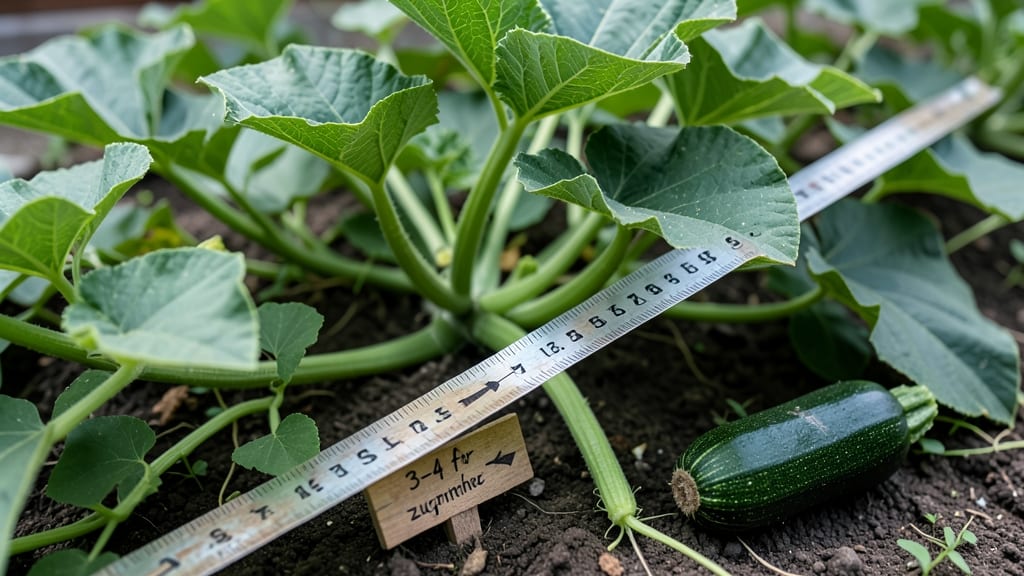
Proper squash spacing in your garden 🎃 is the difference between a thriving patch and a tangled mess of yellowing leaves and stunted growth.
Picture this: you’ve just planted your favorite zucchini seeds after the last frost, only to watch them sprawl into a dense, disease-prone jungle by midsummer. Overcrowding isn’t just an eyesore—it invites pests, blocks sunlight, and steals nutrients from your plants.
But here’s the good news: with the right spacing, you can double your yield while keeping your squash healthy and pest-free. Whether you’re growing bush varieties like acorn squash or sprawling butternut runners, the layout matters more than you think.
In this guide, I’ll break down the exact spacing rules for every type of squash, share space-saving tricks for small gardens, and show you how to arrange your plants for maximum airflow and productivity.
Optimal squash spacing by variety: summer vs winter squash guidelines
Getting your squash spacing right isn't just about fitting plants into your garden—it's about unlocking their full potential. Summer squash like zucchini and winter varieties such as butternut have dramatically different needs.
Crowding leads to poor air flow, which invites powdery mildew and other diseases. Let's dive into the science-backed spacing that keeps your squash thriving and your harvests abundant.
Proper spacing ensures each plant gets enough sunlight, nutrients, and root room to grow vigorously. For example, a bush zucchini needs far less room than a sprawling pumpkin vine.
The right layout also prevents competition that stunts growth and reduces fruit size. Think of spacing as the foundation for disease prevention and yield maximization.
Here's where things get practical: summer squash matures quickly and benefits from closer spacing, while winter squash needs more room to develop larger fruits. Understanding these differences means you can plan your garden layout with confidence. Let's explore the exact measurements that work for each variety.
Below is your quick-reference spacing chart for summer and winter squash varieties. This visual guide helps you plan before you plant, ensuring you allocate just the right amount of space for each type.
Whether you're working with acorn squash, spaghetti squash, or giant pumpkins, these guidelines will keep your plants healthy and productive.
| Variety | Type | Spacing (ft) | Hill Spacing (ft) | Notes |
|---|---|---|---|---|
| Zucchini (Bush) | Summer | 2-3 ft apart | 3-4 ft between hills | Fast-growing; harvest early |
| Zucchini (Vining) | Summer | 3-4 ft apart | 4-5 ft between hills | Needs trellis support |
| Acorn Squash | Winter | 3-4 ft apart | 4-5 ft between hills | Compact vines; good for small gardens |
| Butternut Squash | Winter | 4-5 ft apart | 5-6 ft between hills | Long vines; needs space |
| Pumpkins | Winter | 4-6 ft apart | 6-8 ft between hills | Giant varieties need more |
| Spaghetti Squash | Winter | 3-4 ft apart | 4-5 ft between hills | Long vines; trellis helps |
Let's start with zucchini, the most popular summer squash. Bush varieties like 'Black Beauty' only need 2-3 feet between plants, while vining types such as 'Straightneck' require 3-4 feet.
The key here is to plant 2-3 seeds per hill and thin to the strongest plant. This spacing prevents overcrowding, which leads to blossom end rot and reduced fruit quality.
For winter squash, the stakes are higher because these plants need more time and space to mature. Butternut squash, for instance, requires 4-5 feet between plants to accommodate its sprawling vines. If you're growing pumpkins, allocate even more space—4-6 feet between plants and 6-
How to space squash plants for maximum yield without overcrowding
Proper squash spacing can turn a struggling patch into a bountiful harvest. I’ve learned the hard way that cramming plants too close leads to powdery mildew, stunted growth, and fewer fruits.
The key is balancing air circulation with efficient use of space—whether you’re working with bush varieties like zucchini or sprawling vining types like butternut squash.
Most gardeners default to traditional row planting, but I’ve had my best yields using hill planting and even vertical trellises for certain varieties. The right method depends on your garden layout, soil quality, and the specific squash types you’re growing.
Let’s break down the most effective strategies and how to implement them without wasting space.
Comparison Table: Traditional vs. Space-Saving Layouts
| Method | Spacing | Yield Impact | Best For | Pest Control |
|---|---|---|---|---|
| Traditional Rows | 3-4 ft between plants 5-6 ft between rows |
Good air flow Moderate yield |
Large gardens Vining varieties |
Moderate (needs rotation) |
| Hill Planting | 2-3 plants per hill 3-4 ft between hills |
High yield Better air circulation |
Small gardens Bush varieties |
Excellent (reduces soil pests) |
| Trellis System | 1-2 ft between plants Vertical growth |
Maximized space Higher yields |
Small spaces Cucurbita pepo |
Good (elevates fruit) |
| Square Foot Gardening | 1 plant per sq ft 4 plants per 4x4 ft |
Compact yield Easy access |
Urban gardens Bush types |
Fair (close monitoring) |
Note: Adjust spacing for large-fruited varieties like pumpkins (+2 ft).
For hill planting, I start by creating mounds of soil about 12-18 inches tall and 3 feet wide. Plant 2-3 seeds per hill, thinning to the strongest plant once they’re 4-6 inches tall.
This method saves space while improving drainage and reducing soil-borne diseases. I’ve found that companion planting with marigolds or nasturtiums around the hills deters squash bugs naturally.
When space is ultra-limited, trellising is a game-changer. Varieties like zucchini or cucumbers thrive when trained vertically, saving 80% of ground space. Use sturdy bamboo stakes or wire trellises and plant seeds 12-18 inches apart at the base. Just be gentle when harvesting—overhandling can damage vines.
Don’t forget about companion planting to boost your squash’s health. I always interplant bush beans or radishes between squash hills—they fix nitrogen in the soil while repelling pests. Avoid planting near potatoes or melons, as they compete for the same nutrients and attract similar pests.
One of my biggest mistakes was ignoring maturity dates when spacing. Fast-growing zucchini can outpace slower butternut squash, so I now group plants by harvest timeline. This prevents overcrowding as vines expand and ensures each plant gets the sunlight and nutrients it needs.
With the right spacing, you’ll see healthier vines, fewer diseases, and a harvest that keeps coming all season. Start small, experiment with layouts, and don’t be afraid to adjust as your plants grow—your future self (and your dinner table) will thank you. 🎃