
Advice
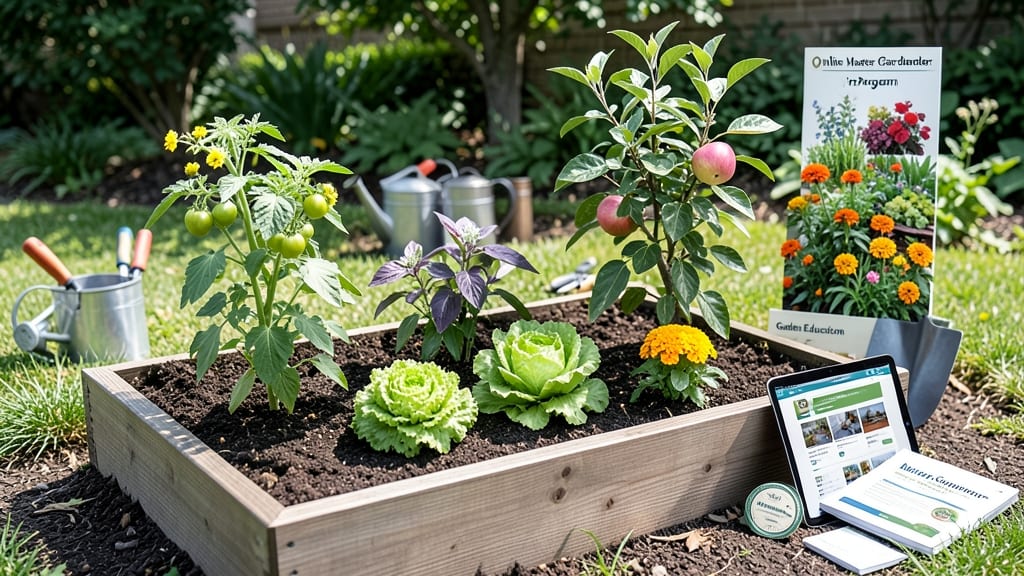
Online master gardener programs offer accredited horticulture education, certification, and hands-on training through virtual platforms, helping you earn credentials like the Master Gardener title from top institutions such as universities or extension services. These courses teach botany, pest control, and sustainable gardening—all at your own pace.
These virtual programs are perfect for busy gardeners who need flexibility. 🌱 Unlike traditional in-person classes, online courses let you study when and where it works for you, with many offering interactive forums for peer support.
What sets them apart is the blend of theory and practical application—you'll learn science-backed techniques while completing projects in your own garden. Plus, the credentials carry the same weight as in-person certifications, making them ideal for both hobbyists and professionals.
For example, programs like those from the University of Florida or Penn State Extension provide structured curricula with video lectures, downloadable guides, and even virtual plant clinics. The key is choosing a program accredited by your state's extension service to ensure the certification is recognized locally.
Many graduates use their credentials to volunteer with community gardens or start side businesses in landscaping.
💡 In This Article
- How Online Master Gardener Programs Compare to Traditional Training
- Top Accredited Online Master Gardener Certification Options
How online master gardener programs compare to traditional training
Online master gardener programs deliver the same core curriculum as traditional in-person training but adapt it for virtual learning. The science-based content—like plant physiology and soil chemistry—remains identical, but the delivery shifts from lectures to pre-recorded videos and interactive modules.
For example, a topic like integrated pest management might include downloadable fact sheets instead of live demonstrations, yet the principles taught are the same as those in a classroom setting. 🌱 What changes is how you engage with the material: online learners often access content through platforms like Canvas or Moodle, where discussions happen in asynchronous forums rather than face-to-face.
The biggest difference lies in hands-on training. Traditional programs require in-person lab work—think dissecting plant specimens or identifying pests under a microscope—while online versions substitute these with virtual labs or self-guided projects.
For instance, instead of handling a diseased leaf in class, you might receive a high-resolution photo and a checklist to diagnose the issue yourself.
This approach works well for practical skills like pruning, where video tutorials demonstrate techniques at 3x speed for clarity, but it can’t fully replicate the tactile experience of working with live plants. Some programs mitigate this by offering optional local workshops or partnerships with nurseries for hands-on practice.
Time commitment also varies significantly. Traditional programs often run in 12-16 week semesters with fixed class times, while online courses let you progress at your own pace—ideal for those balancing work or family. However, this flexibility comes with discipline: without deadlines, some learners take longer to complete assignments.
For example, a student might spend 3-6 months on a single course if they only study weekends, compared to the 8-10 weeks typical in a structured in-person class. Credential recognition remains equal, though, as both formats are accredited by the same extension services.
Cost is another key factor. Online programs typically cost $300-$600 for the full certification, covering digital materials and virtual support, while in-person programs may run $500-$1,000 due to facility fees and printed manuals. However, online learners save on commuting and childcare, making the total investment comparable. The trade-off?
Online students often pay extra for optional certifications (like organic gardening) that in-person programs bundle in. Verifying legitimacy is crucial: always check if the program is affiliated with your state’s Cooperative Extension System—a red flag is any program selling "national" certifications without state ties.
Pros of online training include accessibility—you can study from anywhere—and modern tools like mobile apps for plant ID. Cons? Less spontaneous collaboration with instructors or peers. Traditional programs excel in mentorship and immediate feedback, such as when a professor corrects your soil pH test mid-lab.
For those who thrive in structured environments, in-person might be better, but online programs now offer live Q&A sessions to bridge this gap. The choice depends on your learning style and how much you value hands-on interaction versus flexibility. 💫
Consider this: if you’re aiming to volunteer with a local garden club, some groups prefer graduates with in-person experience for leadership roles. But for personal growth or starting a small gardening business, online credentials hold equal weight.
The key is aligning the format with your goals—whether that’s mastering theory online or gaining practical skills in person.