
Tools
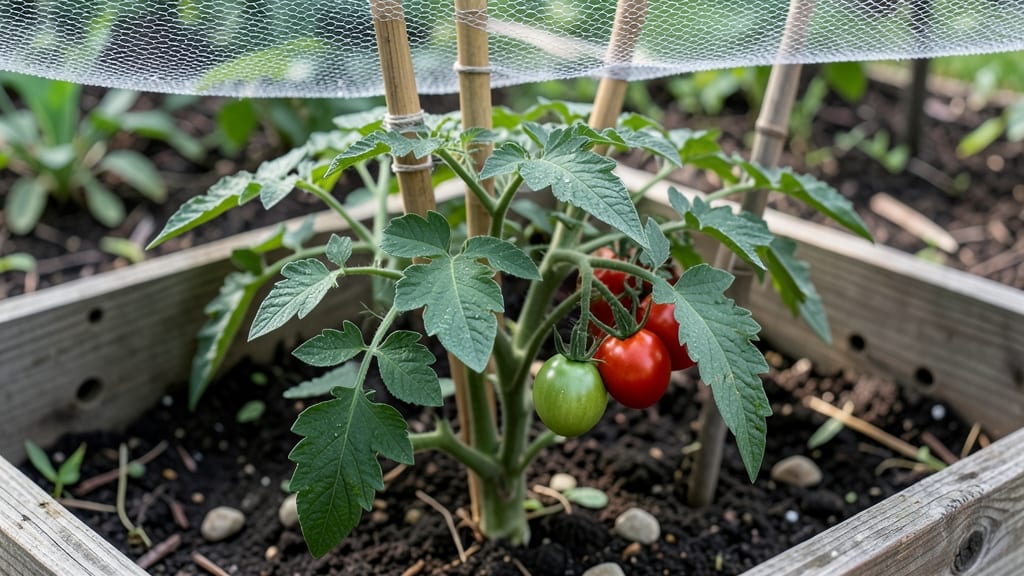
Pest netting for gardens creates a physical shield against insects, birds, and small animals while keeping your plants healthy. Opt for durable, UV-resistant mesh with 1/4-inch to 1/2-inch holes to balance airflow with pest prevention.
This protective barrier works by physically blocking pests while allowing sunlight, air, and rain to reach your plants. Polypropylene is my go-to material because it resists UV rays and lasts longer than thinner options, making it ideal for seasonal use. 🔥 The right mesh size matters too—smaller holes stop aphids, while larger ones keep out birds and squirrels without smothering your crops.
For best results, pair your netting with sturdy hoops or stakes to create a tent-like structure. This setup works for everything from raised beds to trellised vines, and you can adjust it as your plants grow.
I always recommend testing the netting’s durability before full installation—nothing ruins a harvest faster than a torn barrier mid-season!
💡 In This Article
- How Different Pest Netting Materials Protect Your Garden
- Step-by-Step Guide to Installing Garden Pest Netting Correctly
How different pest netting materials protect your garden
The effectiveness of pest netting starts with the material—each type offers unique benefits based on your garden's specific threats. Polypropylene is the gold standard because its fibers resist UV degradation, lasting 3-5 years even under direct sunlight.
This makes it ideal for long-term protection against cabbage moths and Japanese beetles, which can devastate brassicas in as little as 3 weeks without intervention. Polyethylene, while cheaper, degrades faster (about 1 year) and loses strength when exposed to UV rays, making it better for short-term or shaded applications.
Mesh size is equally critical—1/4-inch holes block aphids and whiteflies while allowing 90% of sunlight to reach plants, crucial for photosynthesis. Larger 1/2-inch holes keep out birds and squirrels but require heavier-duty materials to prevent tearing.
For example, a 1/2-inch polyester netting with 12x12 weave density can withstand 15 mph winds without sagging, making it perfect for windy climates or delicate vining plants like cucumbers. The trade-off? Larger holes reduce airflow slightly, which can increase humidity and fungal risks in dense plantings.
UV resistance isn't just about longevity—it's about maintaining structural integrity. Standard polyethylene netting loses 50% of its tensile strength after 6 months of sun exposure, while UV-stabilized polypropylene retains 80%+ strength after 2 years.
This difference matters when protecting high-value crops like tomatoes, where a torn barrier can lead to $50+ losses per plant from hornworm infestations. For greenhouse use, consider shade cloth netting hybrids that combine 30% shade with 1/8-inch holes to block pests while regulating temperature.
Breathability vs. pest exclusion is a delicate balance. A 1/4-inch mesh allows 120-150 cubic feet per minute (CFM) of airflow per square foot, preventing heat buildup that stresses plants. However, this same mesh can fail against 1/8-inch Japanese beetles, which slip through gaps.
For mixed pest threats, layering 1/4-inch netting over 1/8-inch mesh creates a dual barrier—expensive but effective for organic gardens where chemical alternatives are banned. Always test your netting by shaking it near a light source; if light passes through unevenly, the weave is inconsistent and may fail against determined pests.
Seasonal factors also influence material choice. In humid climates, opt for polyester with anti-mildew treatments to prevent fungal growth in the mesh. For freeze-prone areas, polypropylene with 3% elastane stretches slightly in cold temperatures, reducing tear risks.
Pro tip: Store netting in shaded, dry conditions between seasons—moisture weakens fibers over time, even in UV-resistant materials. I’ve seen polypropylene netting lose 30% of its original strength after just one wet season if stored improperly.
Consider the texture too—smooth-surfaced netting like monofilament polypropylene repels water better than woven varieties, reducing weight from rain and preventing sagging. This matters when protecting 6-foot-tall tomato plants, where a 5-pound sagging net can snap stems.
For trellised crops, mesh with built-in UV inhibitors (like 3M Scotchgard-treated polypropylene) lasts up to 40% longer in direct sun, making it worth the $0.10/sq ft premium.