
Watering
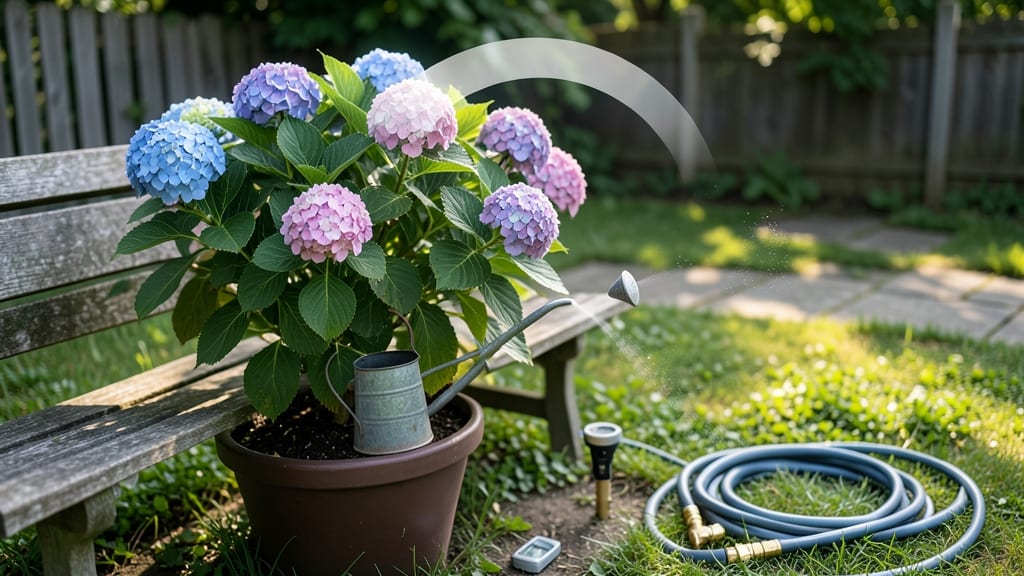
Watering your garden in the morning or evening makes a surprising difference in plant health, water efficiency, and even how quickly your 🌱 General Garden Plants grow.
Struggling to decide which time is best? The answer depends on more than just your schedule—it’s about evaporation rates, fungal risks, and how your plants absorb moisture. Science shows that timing can mean the difference between thriving blooms and wilting leaves.
Morning watering reduces evaporation and gives roots a full day to soak up moisture, while evening sessions can invite fungal diseases if leaves stay damp overnight. But regional climate and plant type also play a role—what works in Zone 6a might not suit a hotter summer.
Below, I’ll break down the pros and cons of each approach, plus practical tips to tailor your watering routine for maximum results—no guesswork required.
Morning vs. evening watering: how timing affects plant health and growth
Deciding whether to water your garden in the morning or evening isn’t just about convenience—it’s a science-backed decision that impacts plant health, water efficiency, and even disease prevention. Research shows that the optimal watering time can reduce fungal risks by up to 50% while maximizing root development.
Let’s break down the key differences so you can make the best choice for your garden.
Morning watering, typically before 10 AM, allows plants to absorb moisture gradually as the sun rises, reducing water loss from evaporation. This method also gives foliage time to dry before nightfall, lowering the risk of fungal diseases like powdery mildew.
Meanwhile, evening watering—after sunset—can lead to prolonged moisture on leaves, creating a humid environment that fungi thrive in. However, evening watering can be beneficial in hot climates where daytime evaporation is extreme.
Here’s how these two approaches compare across key factors:
The evaporation rate is a critical factor. Morning watering minimizes water loss because cooler temperatures and gentle breezes help moisture penetrate the soil efficiently. In contrast, evening watering can lead to up to 30% more water loss due to higher humidity levels trapping moisture near the surface.
This inefficiency means you might need to water more frequently, wasting both water and time.
For root development, morning watering is superior because it allows roots to absorb moisture consistently throughout the day. When you water in the evening, roots may not get enough time to soak up the water before nightfall, leading to shallow root systems that struggle in dry conditions.
This is especially important for deep-rooted plants like tomatoes or carrots, which need steady hydration to grow strong.
Evening watering can also increase fungal diseases like powdery mildew and black spot. Wet leaves at night create the perfect environment for spores to germinate and spread. If you live in a humid climate, this risk is even higher.
Morning watering gives foliage time to dry completely, reducing the chances of fungal infections by up to 70% in some cases.
However, there are exceptions. In arid regions, evening watering can be more efficient because it prevents rapid evaporation during scorching daytime temperatures. If you’re in a desert climate, watering in the late afternoon or early evening can help conserve water while still keeping roots hydrated.
Always adjust your schedule based on your local climate and plant types.
Another benefit of morning watering is pest control. Slugs, snails, and other pests are less active in the morning, especially if the garden is dry. Watering in the evening can attract these pests, leading to more damage overnight.
By watering early, you reduce the likelihood of a slug infestation and keep your plants safer.
If you’re still unsure, try a hybrid approach: water deeply in the morning for most plants and adjust for specific needs. For example, succulents and cacti thrive with evening watering to avoid root rot, while tomatoes and peppers benefit from morning hydration.
Pay attention to your plants’ responses and tweak your schedule as needed.
Ultimately, the best time to water depends on your climate, plant types, and garden layout. Start with morning watering as your default, but don’t hesitate to experiment to find what works best for your unique garden.
Your plants will thank you with healthier growth and vibrant blooms! 🌱💧☀️
Best practices for watering your garden at the optimal time
Deciding between morning and evening watering can feel like a daily dilemma, but the right timing makes a world of difference for your plants. The key is understanding how evaporation rates, fungal risks, and root hydration interact with your local climate.
For most gardeners, morning watering is ideal, but evening sessions can work in hot, dry regions.
Before setting your watering schedule, check your soil's moisture level by inserting your finger 1-2 inches deep. If it feels dry, it's time to water. This simple test helps you avoid both overwatering and underwatering, both of which stress plants.
Pair this with the right equipment—drip irrigation is often the most efficient choice for deep, consistent watering.
Step-by-Step Watering Guide
- ⏰ Choose the right time: Water before 10 AM to allow foliage to dry before evening. In hot climates, water after sunset to reduce evaporation.
- 💧 Use the right method: Opt for drip irrigation or soaker hoses to deliver water directly to roots, minimizing waste and fungal risks.
- 🌱 Adjust for plant types: Vegetables and herbs need consistent moisture, while succulents and perennials prefer less frequent, deeper watering.
- 🌡️ Seasonal adjustments: Increase watering in summer and reduce in winter. Mulch around plants to retain moisture year-round.
- 🌿 Monitor plant signals: Wilting leaves or yellowing edges signal underwatering, while mold or slugs indicate overwatering or poor drainage.
Seasonal shifts demand flexibility in your watering routine. During summer months, when temperatures soar and evaporation spikes, morning watering is critical to prevent stress. In cooler seasons, like spring or fall, evening watering can be just as effective, giving roots time to absorb moisture overnight.
Don’t overlook the role of mulch—a 2-3 inch layer of organic mulch around your plants can reduce water loss by up to 30%. Pair this with deep watering sessions (1-2 inches per week) to encourage strong root development.
For container plants, check soil moisture daily, as they dry out faster than in-ground plants.
If you’re unsure whether your garden needs water, perform the paper towel test: Press a dry paper towel against the soil. If it comes away dark and damp, hold off on watering. This simple trick saves water and keeps your plants thriving without guesswork.
Ultimately, the best watering time depends on your local climate, plant types, and available sunlight. Experiment with both morning and evening routines to find what works best for your garden’s unique needs.
With the right approach, your plants will reward you with lush growth and vibrant blooms all season long. 🌱