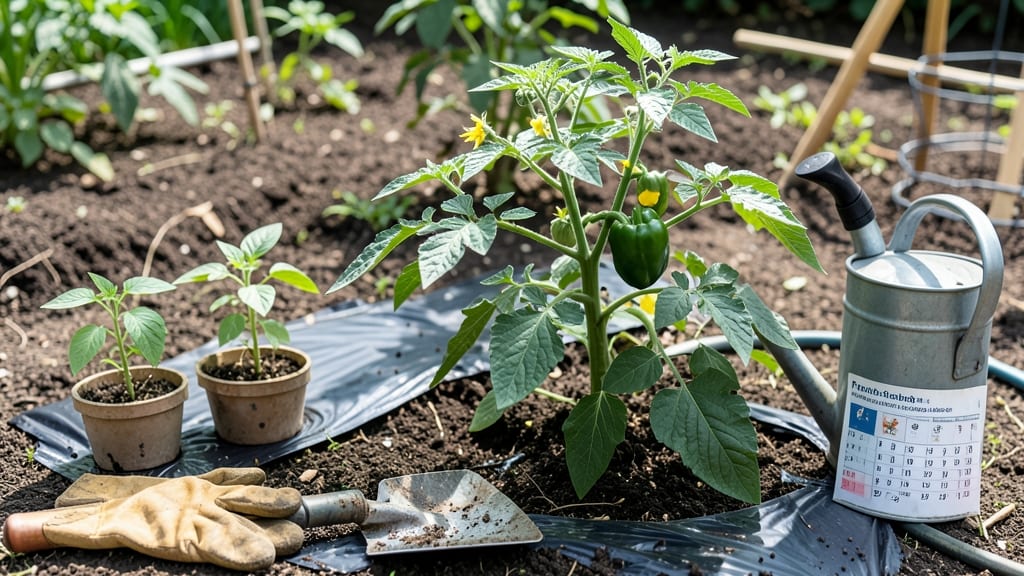
Planting a vegetable garden in Florida at the right time means the difference between a thriving harvest 🥕 and a sad, wilted mess waiting for the next season.
Florida’s tropical climate means your vegetable garden can thrive year-round—but planting at the wrong time means wilted dreams instead of homegrown harvests. Timing is everything, and these exact planting windows will help you avoid common mistakes and maximize yields for Florida’s unique growing zones.
Cool-season crops like lettuce and broccoli need to go in the ground in late summer or early fall, while heat-lovers such as tomatoes and peppers should start in spring or late winter. Without the right timing, you’ll end up with bolting greens or fruit that never sets.
Below, I break down the best months to plant by crop type, how to adjust for Florida’s regional differences, and the three biggest mistakes gardeners make when timing their plantings.
🥕
When to Plant Vegetable Garden Garden
Jan
🥕
Feb
🥕
Mar
🥕
Apr
🥕
May
🥕
Jun
🥕
Jul
🥕
Aug
🥕
Sep
🥕
Oct
🥕
Nov
🥕
Dec
🥕
Florida’s planting zones: when to start seeds vs. transplants by month
Florida’s frost-free growing seasons create a unique opportunity for gardeners to grow vegetables almost year-round. However, the state’s three distinct regions—North, Central, and South—have different microclimates that affect planting times.
North Florida (USDA Zones 8a-8b) experiences occasional light frosts, while Central (Zone 9a) and South Florida (Zone 10a-11) remain warm year-round. Understanding these differences is key to avoiding bolting greens or wilting heat-sensitive crops.
For cool-season crops like lettuce and broccoli, timing matters most in North Florida, where temperatures dip below 50°F at night. In contrast, South Florida gardeners can grow these crops year-round but must use shade cloth during peak summer heat.
Meanwhile, heat-loving crops like okra and sweet potatoes thrive in summer across all regions. Let’s break down the best months to sow seeds directly or transplant seedlings for 20+ popular vegetables.
Pro Tip: Always check your local last frost date (typically mid-January for North FL) and first frost date (December for North FL, none for South FL). Use this summary-table as your guide to align planting with Florida’s ever-changing seasons.
| Crop |
North FL (Zones 8a-8b) |
Central FL (Zone 9a) |
South FL (Zones 10a-11) |
Notes |
| Tomatoes |
Transplant: Feb-March
Seed: March-April |
Transplant: Year-round
Seed: March-June |
Transplant: Year-round
Seed: February-July |
Use shade cloth in summer; cage or stake for support. |
| Peppers |
Transplant: March-April
Seed: February-March |
Transplant: Year-round
Seed: February-May |
Transplant: Year-round
Seed: Year-round |
Heat-tolerant; avoid overwatering to prevent blossom end rot. |
| Squash (Summer) |
Seed: March-April |
Seed: February-May |
Seed: Year-round |
Plant in full sun; mulch heavily to retain moisture. |
| Lettuce |
Seed: Sept-Nov (Fall)
Seed: Jan-Feb (Spring) |
Seed: Sept-Dec (Fall)
Seed: Jan-April (Spring) |
Seed: Sept-Dec (Fall)
Seed: Jan-May (Spring) |
Bolts in heat; use shade cloth in summer. |
| Broccoli |
Transplant: Sept-Oct (Fall)
Seed: Aug-Sept |
Transplant: Sept-Nov (Fall)
Seed: Aug-Oct |
Transplant: Sept-Dec (Fall)
Seed: Aug-Nov |
Harvest before temperatures rise above 80°F. |
| Okra |
Seed: March-May |
Seed: February-June |
Seed: Year-round |
Thrives in heat; drought-tolerant once established. |
| Green Beans |
Seed: Feb-March (Spring)
Seed: Sept-Oct (Fall) |
Seed: Jan-April (Spring)
Seed: Sept-Nov (Fall) |
Seed: Jan-May (Spring)
Seed: Sept-Dec (Fall) |
Avoid overcrowding; trellis for bush varieties. |
| Sweet Potatoes |
Seed: March-April |
Seed: February-May |
Seed: Year-round |
Plant slips in warm soil; harvest before frost. |
C
Top 5 mistakes Florida gardeners make with planting timing (and how to avoid them)
Florida’s long growing season can make it tempting to plant vegetables anytime. But without careful timing, even heat-loving crops like okra or sweet potatoes can struggle. The biggest mistake?
Ignoring Florida’s humidity spikes and heat intensity, which create narrow windows for cool-season crops. Let’s fix these common errors before your next planting session.
Another frequent blunder is planting heat-sensitive greens like lettuce or spinach in peak summer. These crops bolt quickly when temperatures exceed 85°F. Even shade cloth won’t save them if planted too late. The solution? Focus on succession planting in early spring or late fall when temperatures are milder.
⚠️ callout-warning
🚨 Florida Planting Timing Trap: Planting tomatoes or peppers in May instead of March means stunted growth from late-summer heat stress. Wait until after Memorial Day for summer crops, but start seeds indoors 8-10 weeks earlier for a jumpstart.
Fix: Use shade cloth (30-50%) for summer plantings and mulch heavily to retain moisture. For fall crops, plant broccoli or cabbage by August 15th to avoid hurricane season disruptions.
Many gardeners overlook Florida’s regional microclimates. North Florida’s cooler winters allow for winter squash and kale harvests, while South Florida can grow carrots year-round. If you’re in Zone 9B or 10A, avoid planting cool-season crops after September 1st—they’ll struggle with rising temperatures.
Succession planting is your secret weapon. Instead of planting all your bush beans at once in May, stagger plantings every 2-3 weeks through July. This ensures a continuous harvest and prevents overcrowding when vines mature.
For winter greens, plant radishes every 10 days from October to December for a steady supply.
Don’t forget about soil temperature. Many seeds won’t germinate until soil reaches 60°F+. Use a soil thermometer to check before planting warm-season crops like squash or cucumbers. If soil is too cold, wait—even black plastic mulch won’t speed up warming in Florida’s spring shoulder season.
Finally, hurricane season (June-November) demands preparation. If you’re planting tender crops like eggplant or peppers in late summer, use cage supports and stake plants early. For fall crops, prioritize fast-maturing varieties like ‘Early Girl’ tomatoes (55 days) over slower growers.
★★★★★4.9(12 reviews)
|