
Planting
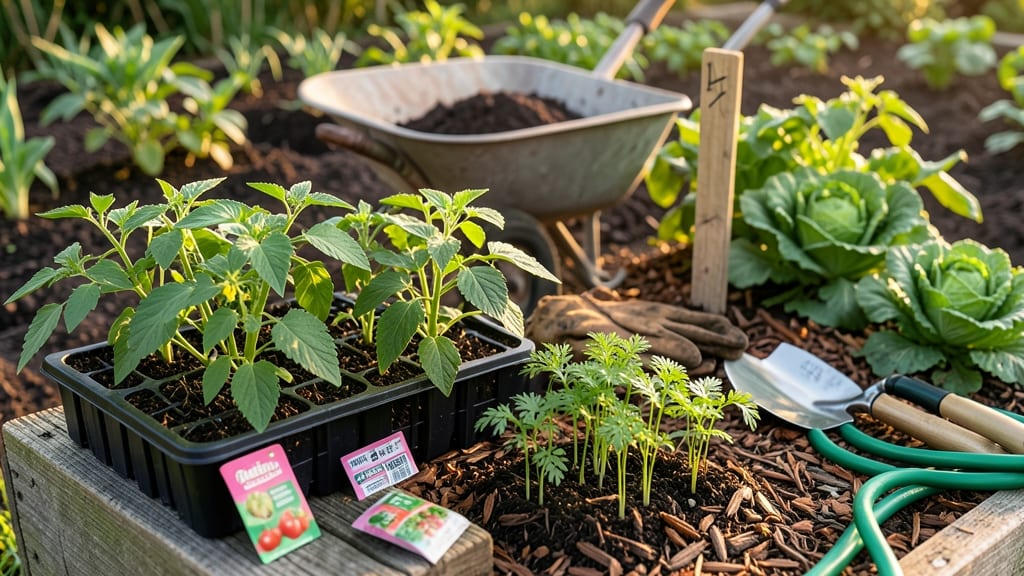
To plant a vegetable garden in Virginia, aim for mid-March to late April for cool-season crops 🌱 — but timing shifts dramatically from the coast to the mountains.
Virginia’s diverse climate—from the humid Piedmont to the coastal plains—means your vegetable garden’s success hinges on planting at the perfect time. Get the wrong timing, and your crops could bolt, rot, or fail entirely.
Whether you’re in Zone 5a’s frost-prone valleys or Zone 8a’s milder coastal areas, the right window ensures strong starts and bountiful harvests. Below, I break down frost-free dates, crop-specific schedules, and how to adjust for Virginia’s unpredictable weather.
You’ll learn exactly when to sow seeds, transplant seedlings, and extend your growing season—plus pro tips to beat heatwaves or early chills. Let’s get those Virginia gardens thriving!
Virginia’s frost-free dates by USDA Zone: your planting timeline
Virginia spans USDA Zones 5a through 8a, creating dramatic differences in frost dates from the Appalachian Mountains to the coastal plains.
In Zone 5a (like the Shenandoah Valley), you might face late frosts until April 15–May 1, while Zone 8a (Norfolk) often enjoys frost-free conditions by February 15–March 1. These variations mean your planting schedule should shift based on your exact location.
Understanding your last average frost date is critical—it determines when to plant cool-season crops like lettuce and when to wait for warm-season crops such as tomatoes. Microclimates add another layer: urban heat islands in Richmond may warm up faster than rural areas, while valley bottoms can trap cold air longer.
Always check local records or use tools like the National Weather Service’s frost forecast.
For cool-season vegetables (e.g., peas, spinach, broccoli), aim to plant 4–6 weeks before your last frost.
In Zone 5a, that’s early March, while Zone 8a gardeners can start as early as January. Warm-season crops (tomatoes, peppers, cucumbers) need soil temperatures above 60°F and should only go in after your last frost—typically May 1–June 1, depending on your zone.
Here’s a quick reference for Virginia’s frost-free windows by zone, including key planting windows for both cool- and warm-season crops:
| USDA Zone | Avg. Last Frost | Cool-Season Planting | Warm-Season Planting | Notes |
|---|---|---|---|---|
| 5a (e.g., Shenandoah Valley) | April 15–May 1 | Early March–April 1 | May 15–June 1 | Longer growing season; use row covers for late crops. |
| 6a (e.g., Roanoke) | April 1–April 15 | Late February–March 15 | April 15–May 1 | Transition zone; monitor soil temps for warm crops. |
| 7a (e.g., Charlottesville) | March 15–April 1 | January–February 28 | March 20–April 15 | Humid summers; prioritize heat-tolerant varieties. |
| 7b (e.g., Richmond) | March 1–March 15 | January–February 15 | March 1–March 20 | Urban areas may warm faster; watch for heat stress. |
| 8a (e.g., Norfolk) | February 15–March 1 | December–January 31 | February 15–March 1 | Coastal moderation; watch for salt spray in windy areas. |
In Zone 5a, where frosts linger late, focus on cold-hardy crops like kale, spinach, and peas for early planting. Use row covers or cold frames to extend your season into fall.
For Zone 8a, you can even plant warm-season crops like okra or sweet potatoes as early as February, but be mindful of humidity and pests, which thrive in coastal areas.
For succession planting, plan to sow fast-growing crops like radishes or lettuce every 2–3 weeks after your last frost.
In Zone 7a, this might mean planting lettuce in March, April, and May for continuous harvests. Slow-to-mature crops like broccoli or cabbage should go in 4–6 weeks before your first expected frost in fall (typically October–November, depending on your zone).
Don’t forget about microclimates—your garden’s location matters. A south-facing slope warms up faster than a north-facing yard, while low-lying areas can stay colder longer. If you’re near water (like the Chesapeake Bay), expect cooler nights due to breezes.
Use these microclimate clues to adjust your planting by 1–2 weeks earlier
Best vegetables to plant in Virginia by season (with exact months)
Virginia’s diverse microclimates mean your planting schedule should match your USDA zone and crop type. Cool-season veggies thrive in early spring and fall, while warm-season crops need soil temperatures above 60°F.
Let’s break it down by month for 15 top Virginia varieties, from tomatoes to kale, with heat-tolerant picks for Zone 7b/8a and cold-hardy options for Zone 5a.
For continuous harvests, use succession planting—sow seeds every 2-3 weeks for crops like lettuce or bush beans. In Zone 5a, start cool-season crops under row covers 4-6 weeks before your last frost date to jumpstart growth.
Meanwhile, in Zone 8a, warm-season crops like okra or sweet potatoes can go in as early as late February.
🌱 Virginia Planting Calendar by Month
- March-April (Zones 5a-7a): Cool-season crops like spinach, peas, and broccoli. Use row covers for lettuce to prevent bolting.
- April-May (All Zones): Warm-season starters like tomato and pepper seedlings when soil hits 60°F. Direct-sow beans and cucumbers after last frost.
- May-June (Zones 6a-8a): Heat-lovers like okra, sweet potatoes, and eggplant. Mulch to retain moisture in Zone 7b/8a.
- June-July (All Zones): Succession plant bush beans, carrots, and radishes for summer harvests. Avoid planting cool-season crops—they’ll bolt.
- August (Zones 5a-7a): Fall crops like kale, turnips, and beets. Start onion sets for early spring harvests.
- September-October (All Zones): Broccoli, cabbage, and spinach for winter harvests. Use cold frames in Zone 5a to extend seasons.
In Zone 5a, prioritize cold-hardy varieties like ‘Winterbor’ kale or ‘Red Norland’ potatoes, which tolerate light frosts. For Zone 7b/8a, opt for heat-tolerant tomatoes like ‘Celebrity’ or ‘Arkansas Traveler’ peppers, which thrive in 90°F+ temperatures.
Always check seed packets for days to maturity—plant early varieties first to ensure harvests before first frost.
Pro tip: Test your soil pH in early spring—Virginia’s clay-heavy soils often need compost or lime for optimal growth. Aim for a pH of 6.0-7.0 for most veggies. Succession planting every 2 weeks keeps your kitchen stocked with fresh greens or zucchini all season long.
Don’t forget pests! In humid Zone 7a, cucumber beetles and tomato hornworms are common. Use row covers early on or handpick pests to protect your crops. For root veggies like carrots, loosen soil to prevent forking—Virginia’s compacted clay is notorious for this issue.
With this month-by-month guide, you’ll avoid common mistakes like planting tomatoes too early (they rot in cold soil) or lettuce too late (it bolts in heat). Happy planting—your homegrown harvest is just a few seeds away! 🌿