
Tools
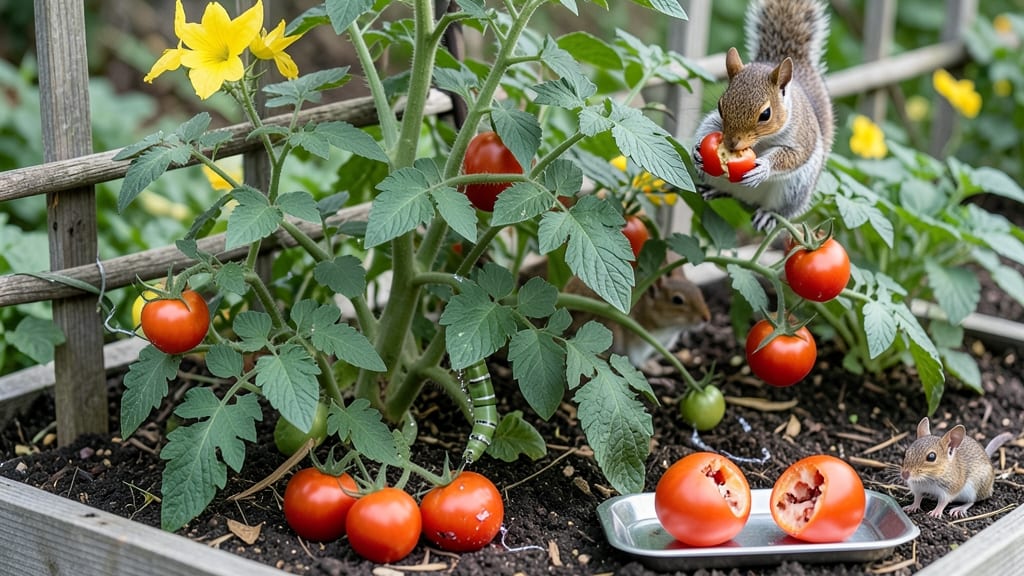
Animals that eat garden tomatoes include squirrels, raccoons, deer, rabbits, birds, and insects like tomato hornworms and slugs, often stripping plants within hours of ripening. These creatures are drawn by the fruit's scent, moisture, and sweetness.
Tomatoes are a prime target for wildlife because their vibrant colors and sugary aroma act like nature's calling card. 🌱 Deer, for example, are particularly destructive—they'll devour entire plants in one night, while raccoons are sneaky nighttime thieves that leave behind messy feeding trails.
Even smaller critters like chipmunks and birds can decimate a harvest if left unchecked. The key to protection lies in understanding each predator's habits: deer prefer open fields, while rabbits stick to garden edges, and insects like hornworms strike during daylight hours.
Physical barriers like chicken wire or row covers create instant defenses, while organic sprays made from hot peppers or garlic disrupt pests' senses without harming the environment. Planting strong companions like basil or marigolds also confuses predators with competing scents.
The earlier you intervene, the better—once a single ripe tomato appears, the battle for your harvest has already begun.
💡 In This Article
- Common Garden Tomato Predators and Their Feeding Habits
- Natural and Organic Tomato Protection Methods
Common garden tomato predators and their feeding habits
Deer are among the most destructive tomato thieves, using their keen sense of smell to detect ripe fruit from up to 50 yards away. These herbivores prefer tomatoes because they're high in moisture and sugars, providing quick energy.
A single deer can consume 20-30 pounds of tomatoes in one night, often stripping plants to the stem. Their feeding patterns are most active at dawn and dusk, when they graze in open fields and garden edges.
Raccoons, meanwhile, are nocturnal opportunists that rely on dexterous paws to pluck tomatoes from vines. They're attracted by the fruit's sweet aroma and the crunchy texture, which they enjoy eating whole—seeds and all. A raccoon's diet includes 30-50% plant matter, with tomatoes being a favorite summer treat.
Their feeding trails often reveal torn leaves and scattered fruit, giving away their presence. 🦝 Unlike deer, raccoons are more likely to target gardens near wooded areas or urban backyards.
Insect predators like tomato hornworms pose a different threat—they're voracious caterpillars that can defoliate plants in 24 hours. These green, striped pests measure up to 4 inches long and consume leaves, stems, and fruit with equal enthusiasm.
Their feeding leaves behind skeletonized foliage and chewed fruit, often with frass (excrement) clinging to the surface. Hornworms are most active during daylight, making them easier to spot than nocturnal mammals.
Smaller creatures like rabbits and chipmunks also target tomatoes, though their methods differ. Rabbits prefer nibbling on young, tender shoots and leaves, while chipmunks will gnaw through fruit to access the juicy interior.
Birds, particularly starlings and grackles, are drawn to ripe tomatoes for their sweetness and water content. These feathered pests often perch on fences or garden structures, making them visible during the day.
Even slugs and snails contribute to tomato damage, leaving behind silvery trails and irregular holes in the fruit. These mollusks are most active after rain when the soil is moist, making them harder to control.
The key to protecting your tomatoes lies in understanding these specific behaviors—whether it's the deer's nighttime raids, the hornworm's daytime feasting, or the slug's moisture-loving habits.
What most gardeners don't realize is that tomato plants emit volatile organic compounds (VOCs) when ripe, which act like chemical signals attracting predators. These compounds, including esters and terpenes, carry through the air and alert nearby animals to a food source.
The riper the tomato, the stronger the scent—and the more irresistible it becomes to wildlife. 🌿