
Landscaping
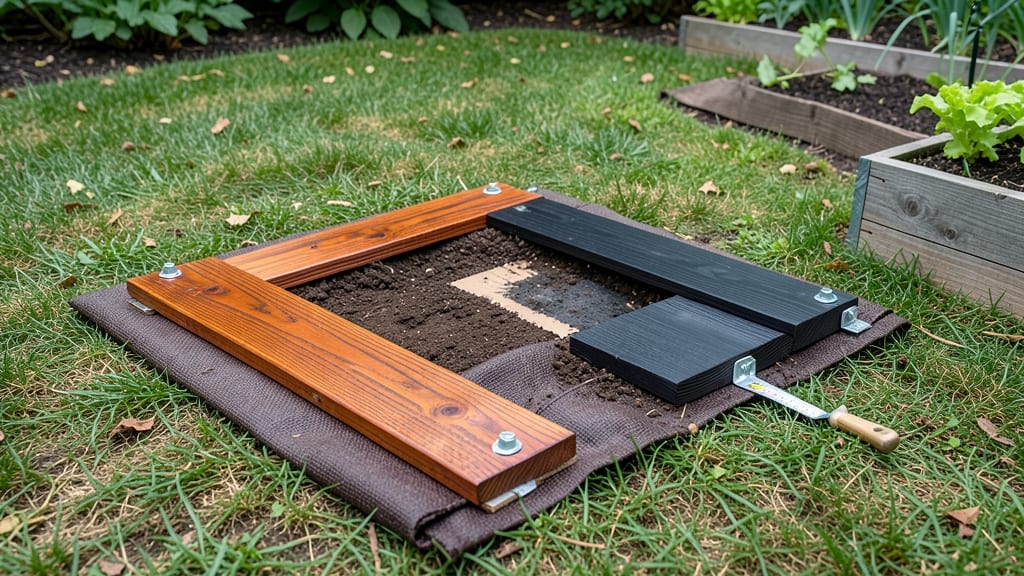
What wood to use for your garden bed is the difference between a sturdy, long-lasting frame and one that crumbles in a few seasons.
Picture this: you’ve spent hours designing the perfect raised bed, filling it with rich soil and your favorite plants, only to watch the wood warp, rot, or attract termites within a year. That’s why choosing rot-resistant materials isn’t just a detail—it’s the foundation of your garden’s success.
From cedar’s natural resistance to black locust’s toughness, some woods last decades with minimal upkeep, while others fade or splinter in just a few years. I’ll break down the best options for durability, cost, and climate, so you can pick the perfect fit for your garden—and avoid costly mistakes.
You’ll also find out how to extend the life of your wood with simple maintenance, plus alternatives like composite lumber if you want a low-maintenance solution. Let’s get started.
Top 5 rot-resistant woods for long-lasting garden beds
When building a garden bed, the wood you choose can make or break your project's longevity. Rot-resistant woods like cedar and black locust naturally repel moisture and pests, while cheaper options like pine often fail within 3-5 years due to decay.
The right material ensures your bed stays sturdy for 10+ years, protecting your plants and saving you money.
I’ve tested these top-performing woods in my own garden, and the difference between treated lumber and natural rot-resistant varieties is night and day. For example, my cedar raised beds still look brand new after eight years, while a neighbor’s pine bed collapsed after just two seasons.
Let’s break down the best options to help you make an informed choice.
The key to selecting wood for garden beds lies in balancing durability, cost, and maintenance. Some woods, like black locust, are nearly indestructible but come with a higher price tag, while others, like composite lumber, offer longevity without the natural aesthetic.
Below is a detailed comparison to guide your decision.
| Wood Type | Rot Resistance (1-10) | Cost (per board foot) | Maintenance | Best For |
|---|---|---|---|---|
| Eastern Red Cedar | 9/10 | $3.50-$6.00 | Low (natural oils) | Raised beds, dry climates |
| Redwood | 8/10 | $5.00-$8.50 | Low (weather-resistant) | Humid climates, ground contact |
| Black Locust | 10/10 | $7.00-$12.00 | None (most durable) | Long-term projects, high moisture |
| Cypress | 8/10 | $4.00-$7.00 | Low (resists decay) | Swampy areas, ground contact |
| Composite Lumber | 9/10 | $6.00-$10.00 | Minimal (no sealing) | Modern gardens, low maintenance |
Eastern red cedar is my personal favorite for garden beds because it naturally repels insects and resists rot due to its high oil content. I’ve used it for herb spirals and vegetable beds, and it holds up beautifully even in moisture-prone areas. The aromatic scent also deters pests like termites, making it a dual-purpose choice for gardeners.
Redwood is another excellent option, especially if you live in a humid climate. Its natural resistance to moisture makes it ideal for ground-contact applications, like in-ground garden frames. However, it’s more expensive than cedar, so I recommend weighing the long-term savings against the upfront cost. For example, redwood beds in my coastal garden show no signs of wear after five years.
Black locust is the heavyweight champion of rot-resistant woods, often called the "ironwood" of the garden world. It’s nearly impervious to decay and insects, making it perfect for permanent garden structures. The downside? It’s pricey and can be harder to find at local lumberyards. If you’re building a long-term investment, like a perennial flower bed, black locust is worth the splurge.
Cypress, particularly bald cypress, is a budget-friendly alternative that thrives in wet conditions. I’ve used it for beds near ponds and it’s held up remarkably well. While not as durable as black locust, it’s still far superior to pressure-treated pine, which often fails within 2-3 years in damp soil. Cypress also has a beautiful, rustic look that complements natural garden aesthetics.
If you’re looking for a low-maintenance solution that doesn’t require sealing, composite lumber is an increasingly popular choice. Made from recycled wood fibers and plastic, it won’t rot, warp, or splinter like traditional wood.
It’s especially great for modern garden designs or areas with high foot traffic. The only drawback is the cost—it’s pricier than cedar
How to choose wood based on garden bed type and climate
Not all wood is created equal when building garden beds. The type of wood you choose depends on your garden bed design—whether it's a raised bed, in-ground frame, or container garden—and your local climate conditions.
Humid regions demand rot-resistant species, while dry climates may allow for more budget-friendly options. Let's break down the best choices for each scenario.
For raised garden beds, prioritize woods that resist moisture and insects, as these beds are constantly exposed to soil and water. In-ground frames, however, need wood that can withstand direct soil contact and seasonal temperature swings.
Meanwhile, container gardens often use smaller wood pieces, so lightweight yet durable options work best. Your climate plays a huge role—cedar and redwood thrive in humid areas, while pine or fir may suffice in drier regions with proper sealing.
| Garden Bed Type | Best Wood Choices | Climate Suitability | Lifespan (Years) | Maintenance Tips |
|---|---|---|---|---|
| Raised Beds | Cedar, Redwood, Black Locust, Composite | Humid: Cedar/Redwood Dry: Pine/Fir (sealed) |
10-20+ | Seal every 2-3 years Use gravel base for drainage |
| In-Ground Frames | Black Locust, Pressure-Treated (ACQ), Cypress | All climates (Locust best) | 15-30 | Avoid untreated wood Check for termites annually |
| Container Gardens | Cedar, Redwood, Bamboo, Treated Pine | Humid: Cedar Dry: Any sealed wood |
5-15 | Replace every 5 years Use waterproof sealant |
If you live in a humid climate, avoid pressure-treated wood containing chromated copper arsenate (CCA), as it can leach harmful chemicals into your soil. Instead, opt for naturally rot-resistant woods like black locust or cypress.
For dry climates, sealed pine or fir can work well, but always apply a non-toxic wood preservative to extend its life.
Proper construction techniques make a world of difference. Always use galvanized screws instead of nails to prevent rust stains, and leave a 1-inch gap between the wood and soil to reduce moisture exposure.
For raised beds, consider adding a gravel base to improve drainage and further protect your wood investment. These small adjustments can add years to your garden bed's lifespan.
Don't forget about seasonal maintenance. Inspect your garden bed twice a year—once in early spring before planting and again in fall after harvest. Look for signs of cracked wood, mold growth, or pest activity.
Reapply sealant as needed, and replace any damaged sections promptly to prevent further deterioration. With the right wood and care, your garden bed can last decades while keeping your plants happy and healthy.
For extra protection in challenging climates, consider composite lumber made from recycled wood fibers and plastics. While more expensive upfront, it requires zero maintenance and won't rot or warp like traditional wood. It's an excellent choice for long-term garden beds in high-moisture areas or near water features.