
Tools
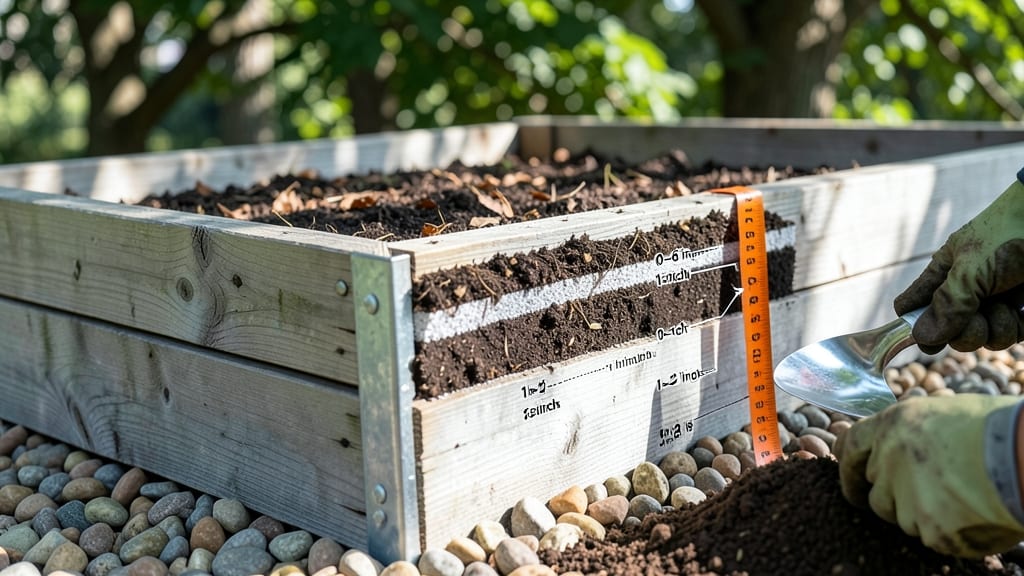
The ideal raised garden bed soil depth is 12 inches—the magic number for root space, drainage, and long-term plant health.
If you’ve ever watched your tomatoes struggle or herbs bolt because the roots hit hardpan too soon, you know how critical this detail is. The 12-inch rule isn’t arbitrary: it balances aeration, moisture retention, and space for roots to expand without crowding.
But here’s the catch: not every plant needs the same depth. Shallow-rooted herbs like basil thrive in 6 inches, while deep-rooted asparagus demands 18+ inches.
We’ll break down how to customize your bed’s depth for maximum growth, plus how to fix common mistakes that stifle roots before they even start.
Ready to dig in? You’ll learn how to layer soil for nutrients, troubleshoot drainage issues, and avoid the three biggest mistakes that turn raised beds into root prisons. Let’s get growing!
Why 12 inches of soil depth maximizes root growth and drainage
The 12-inch soil depth in raised garden beds isn't arbitrary—it's rooted in plant biology and physics. Most vegetables and herbs need at least 6-12 inches of root space to access water, nutrients, and stability.
When roots hit hardpan or compacted soil at shallower depths, they struggle to expand, leading to stunted growth and poor yields. This depth also creates the perfect balance for drainage, preventing waterlogging that can suffocate roots and invite fungal diseases.
Think of your raised bed like a plant's underground home. Just as you'd want a spacious, well-ventilated room, plants need room to spread their roots. A 12-inch depth provides enough space for most crops to establish strong root systems while maintaining proper aeration.
For example, tomatoes and carrots need deeper roots, while lettuce and radishes thrive in shallower soil—but even they benefit from deeper beds for better moisture retention.
Here's the science: deeper soil prevents compaction from foot traffic or heavy rain, which can crush root zones. It also allows for better water infiltration, reducing runoff and ensuring roots get consistent moisture.
Without this depth, you risk creating a waterlogged environment where roots can't breathe, or a bone-dry one where plants wilt despite frequent watering.
| Plant Type | Root Depth Needs | Drainage Requirement | Soil Depth Recommendation |
|---|---|---|---|
| Leafy Greens (Lettuce, Spinach) | 6-8 inches | Moderate | 6-12 inches (add compost) |
| Root Vegetables (Carrots, Beets) | 8-12 inches | Fast-draining | 12+ inches (loose soil) |
| Fruiting Plants (Tomatoes, Peppers) | 12-18 inches | Well-draining | 12-18 inches (amend with sand) |
| Herbs (Basil, Parsley) | 6-10 inches | Moderate | 6-12 inches (nutrient-rich) |
| Perennials (Asparagus, Rhubarb) | 18+ inches | Deep-draining | 18+ inches (deep bed) |
For shallow-rooted plants like lettuce or radishes, you might think 6 inches is enough—but deeper soil actually helps retain moisture and nutrients longer. The extra depth acts like a water reservoir, reducing how often you need to water.
Meanwhile, deep-rooted crops like asparagus or artichokes need at least 18 inches to establish properly. If you're growing a mix, aim for the 12-inch minimum and adjust upward as needed.
Another key benefit of deeper soil is its role in temperature regulation. Shallow soil heats up faster in summer and freezes more easily in winter. A 12-inch depth provides insulation, protecting roots during temperature swings.
Plus, deeper soil encourages beneficial microbial activity, breaking down organic matter into nutrients plants can absorb. Without this depth, microbes struggle to thrive, and your plants miss out on essential nutrients.
Let’s talk about drainage, which is often overlooked. Poor drainage in shallow beds leads to root rot and other diseases. When water pools at the surface, oxygen can't reach roots, causing them to suffocate. A 12-inch depth allows water to percolate through the soil profile, ensuring roots stay aerated.
To test your bed's drainage, dig a hole, fill it with water, and time how long it takes to drain. If it takes longer than 4 hours, you may need to add sand or perlite to improve drainage.
You might wonder: What if my bed is already built with less than 12 inches? Don’t panic! You can still create a thriving garden by focusing on soil quality and mulching.
Use high-quality compost or aged manure to enrich the soil, and top-dress with mulch to retain moisture and suppress weeds. For deeper-rooted plants, consider container growing or
How to adjust soil depth for different plants in raised beds
Not all plants need the same soil depth in raised beds. While the 12-inch rule works for most vegetables, some crops—like lettuce or radishes—thrive in just 6 inches of soil.
Others, such as asparagus or tomatoes, demand 18+ inches to support their deep root systems. Adjusting depth ensures your plants access the nutrients and space they need without wasting resources.
To customize your raised bed, start by grouping plants with similar root depth requirements. Shallow-rooted plants like herbs and leafy greens can share a bed with 6-8 inches of soil, while deeper-rooted crops need dedicated space.
Layering organic matter like compost or aged manure at the bottom creates a nutrient-rich foundation, while topsoil on top provides the ideal growing medium.
For shallow beds, focus on improving drainage by adding a 2-inch layer of gravel or perlite at the bottom. This prevents waterlogging while still allowing roots to access moisture.
If your bed is too deep, consider dividing it into sections or using interplanting—pairing shallow-rooted crops like basil with deeper-rooted ones like peppers to maximize space.
When adjusting depth, avoid compaction by mixing in organic matter like straw or coconut coir. Test your soil’s moisture retention by squeezing a handful—it should hold shape but not feel soggy.
If drainage is poor, add coarse sand or vermiculite to the mix. Remember, amending soil is easier before filling the bed than after planting.
Pro tip: Use wooden stakes or landscape fabric to create separate compartments in deeper beds. This lets you adjust soil types for different plants without cross-contamination. For example, blueberries need acidic soil (pH 4.5-5.5), while tomatoes prefer neutral (pH 6.0-7.0). Separate them to avoid nutrient competition.
Finally, monitor your plants’ growth. Yellowing leaves or stunted stems may signal root-bound conditions or nutrient deficiencies. If you notice these signs, amend the soil with balanced fertilizer or adjust the bed’s depth for next season.
With the right depth and care, your raised bed will become a thriving ecosystem tailored to every plant’s needs. 🌱